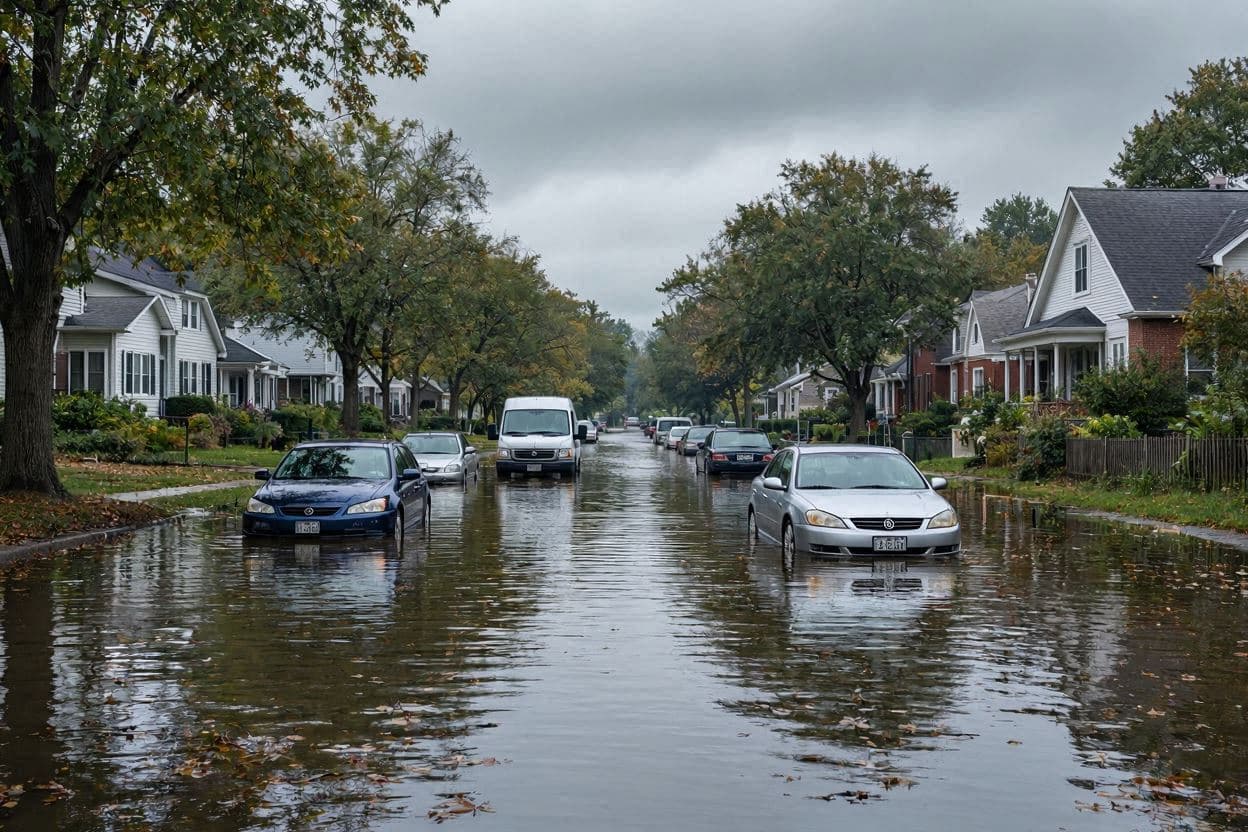
In the historic city of St. Catharines, nestled in the heart of Niagara Region, the skies recently unleashed a deluge that transformed streets into rivers and homes into islands of isolation. A significant weather event has been declared following intense rainfall that caused widespread flooding and prolonged power outages. The incident has disrupted daily life, challenging infrastructure and testing the resilience of the community. It serves as a vivid illustration of the increasing frequency of extreme weather events and the need for adaptive urban planning.
For residents, the aftermath involves cleanup, repair, and a renewed appreciation for the stability of modern conveniences. The event has united neighbors in mutual aid, turning a crisis into an opportunity for communal strengthening.
The heavy rains overwhelmed local drainage systems, leading to flash flooding in low-lying areas and basements. Emergency services responded to numerous calls for assistance, pumping out water and rescuing stranded motorists. The volume of water was exceptional, exceeding the capacity of systems designed for average precipitation levels.
Power outages affected thousands of households as water infiltrated electrical infrastructure and trees fell on lines. Utility crews worked tirelessly in difficult conditions to restore service, prioritizing critical facilities such as hospitals and shelters. The darkness added to the stress of the situation, highlighting our dependence on reliable energy grids.
Local officials declared a significant weather event to coordinate resources and communicate effectively with the public. This designation allows for faster access to provincial support and funding for recovery efforts. It also signals the severity of the situation, urging residents to take precautions and avoid unnecessary travel.
The economic impact on small businesses and homeowners is considerable. Flood damage requires costly repairs, and insurance claims are expected to rise. Community organizations have stepped in to provide food, clothing, and temporary housing for those displaced. This grassroots response complements official efforts, filling gaps in immediate needs.
Climate change is increasingly linked to such intense precipitation events. Warmer atmospheres hold more moisture, leading to heavier downpours that overwhelm traditional infrastructure. Urban planners are now reconsidering design standards, incorporating green infrastructure like permeable pavements and retention ponds to manage runoff more effectively.
Residents have shared stories of loss and resilience on social media, creating a digital archive of the event. These narratives help process trauma and build solidarity. They also serve as valuable data for researchers studying the human impact of climate-related disasters.
As waters recede, the focus shifts to recovery and reflection. Cleaning up mud and debris is a laborious task, but it is done with a sense of purpose. The community is determined to rebuild stronger and more prepared for future challenges.
Lessons learned from this event will inform future policy and investment. Improving drainage capacity, upgrading power grids, and enhancing emergency communication are key priorities. The goal is to create a more resilient city that can withstand the changing climate.
The significant weather event in St. Catharines highlights the vulnerability of urban infrastructure to extreme rain. It invites a proactive approach to adaptation and community support in the face of climate challenges.
AI Image Disclaimer: The visuals in this article are AI-generated illustrations designed to reflect the impact of severe weather on urban environments.
Sources: CBC News Hamilton CTV News Kitchener Global News
Published by Banx Network. This article is part of the Banx decentralized media programme, powered by the BXE token on the XRP Ledger.


.jpg&w=3840&q=75 "Russia Turns Black Sea Into World’s Deadliest Shipping Route as More Than 570 Ships Are Hit")