Rain is often a welcome guest in the agricultural heartlands, nourishing the soil and sustaining life. But when it arrives with relentless intensity, it can transform from a benefactor into a disruptor. In the Niagara region, an overnight storm brought torrential downpours that overwhelmed drainage systems and swelled rivers, leaving a trail of waterlogged homes, submerged farms, and threatened vineyards in its wake.
The storm, which moved through the area with little warning, dumped several inches of rain in a matter of hours. Local creeks and tributaries quickly rose beyond their banks, inundating low-lying areas and cutting off access to some rural communities. Residents woke to the sound of rushing water and the sight of their properties surrounded by floodwaters, a stark reminder of nature’s unpredictability.
Farmers in the region are particularly affected, with fields of crops underwater and equipment at risk of damage. The timing is critical, as many are in the midst of harvest preparations or planting seasons. Waterlogged soil can delay work and increase the risk of crop disease, posing economic challenges for families who depend on the land for their livelihood.
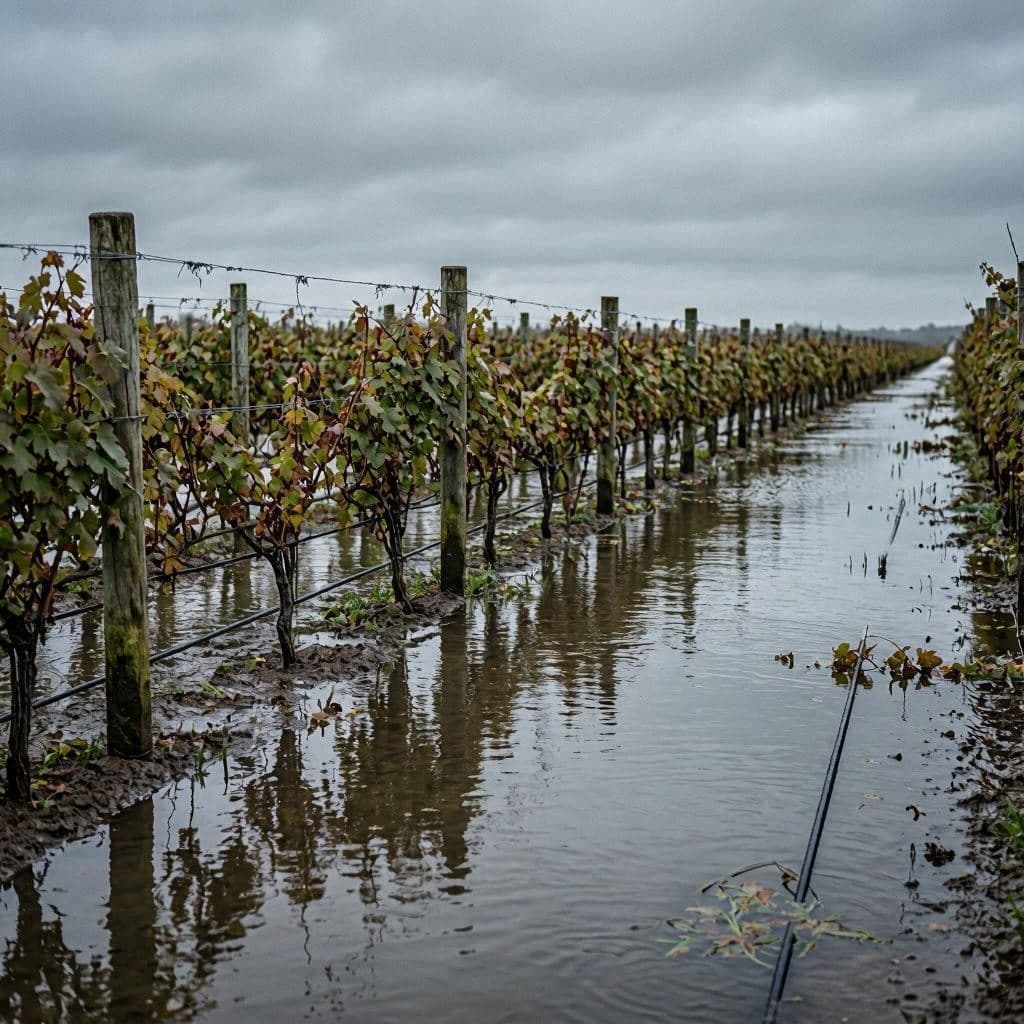
The Niagara wine industry, renowned for its premium vintages, also faces potential setbacks. Vineyards located near waterways are monitoring water levels closely, concerned about root rot and soil erosion. While grapevines are resilient, prolonged saturation can stress the plants and affect the quality of the upcoming harvest, a worry for winemakers who pride themselves on consistency.
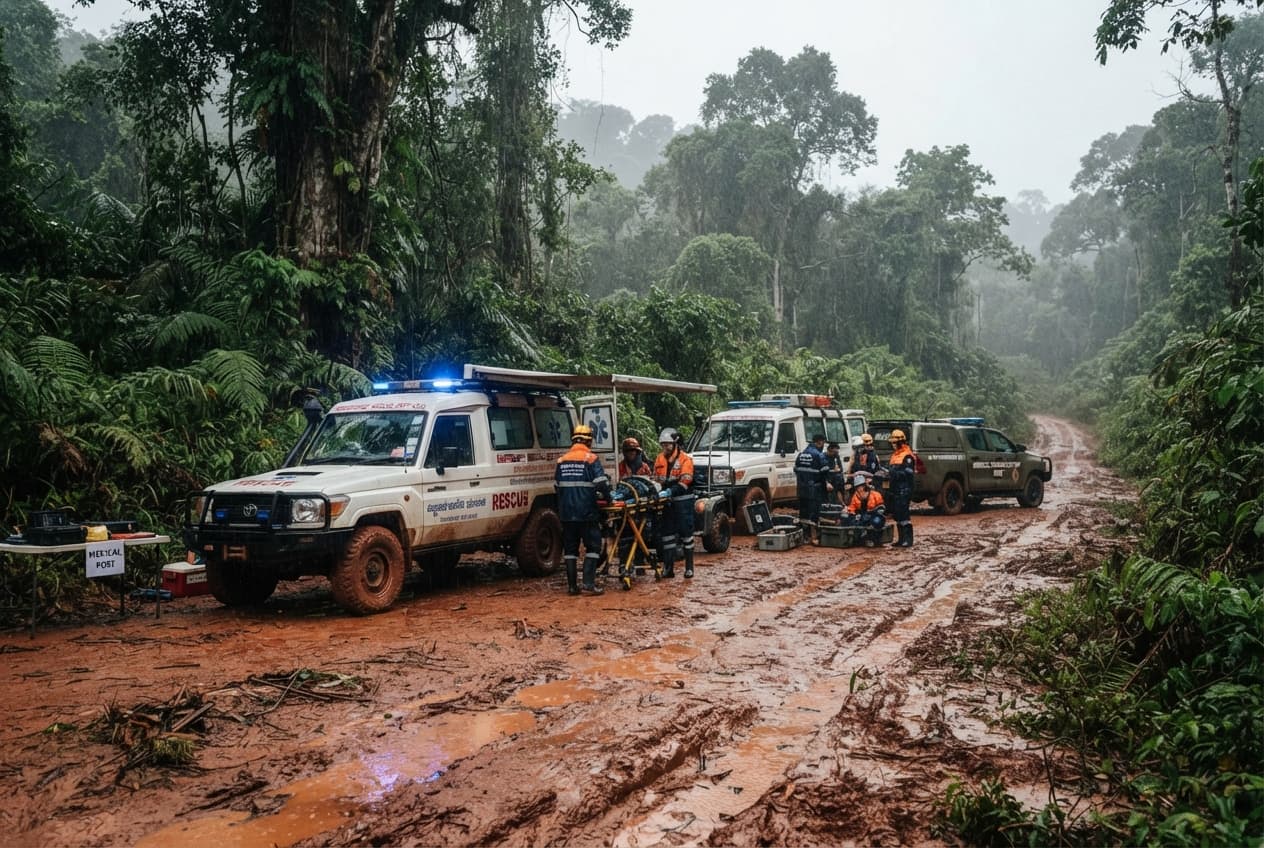
Emergency services have been active throughout the day, assisting residents with sandbagging and evacuation where necessary. Community centers have opened as temporary shelters for those displaced by the flooding. The spirit of neighborly support is evident, with volunteers helping to clear debris and pump out basements, demonstrating the resilience of the local community.
Local authorities have issued warnings about contaminated water and unsafe structures, urging residents to exercise caution. Cleanup efforts are expected to take days, if not weeks, as the water recedes and the full extent of the damage becomes clear. Insurance adjusters are beginning to assess claims, providing a lifeline for those facing significant repair costs.
Climate experts note that such extreme weather events are becoming more frequent, highlighting the need for improved infrastructure and flood mitigation strategies. Investments in better drainage systems and sustainable land management practices are seen as essential steps to protect the region’s agricultural and residential assets in the future.
As the waters begin to retreat, the people of Niagara face the task of recovery. The storm has left its mark, but the community’s determination to rebuild and adapt remains strong, rooted in the same soil that sustains them.
AI Image Disclaimer: Please note that the visuals in this piece are AI-generated illustrations created to depict the impact of flooding on rural and residential areas.
Sources: CBC News, Niagara Falls Review, Global News, CTV News Toronto
Published by Banx Network. This article is part of the Banx decentralized media programme, powered by the BXE token on the XRP Ledger.