
Key Highlights
- Severe flooding in Niagara region caused by overnight storm.
- Local farmers and vineyards face significant damage risks.
- Community efforts underway to assist those affected by the floods.
The Niagara region is currently grappling with the aftermath of a severe flooding event that struck overnight, leaving many homes and agricultural areas submerged. The storm, which arrived with little warning, unleashed torrential rain that overwhelmed drainage systems and caused rivers to swell, resulting in widespread flooding across the area.
Residents awoke to find their properties surrounded by water, with local creeks and tributaries overflowing their banks. The rapid rise of floodwaters cut off access to several rural communities, leaving many residents stranded. Emergency services have been deployed to assist with sandbagging efforts and evacuations where necessary, as the community rallies to support one another during this crisis.
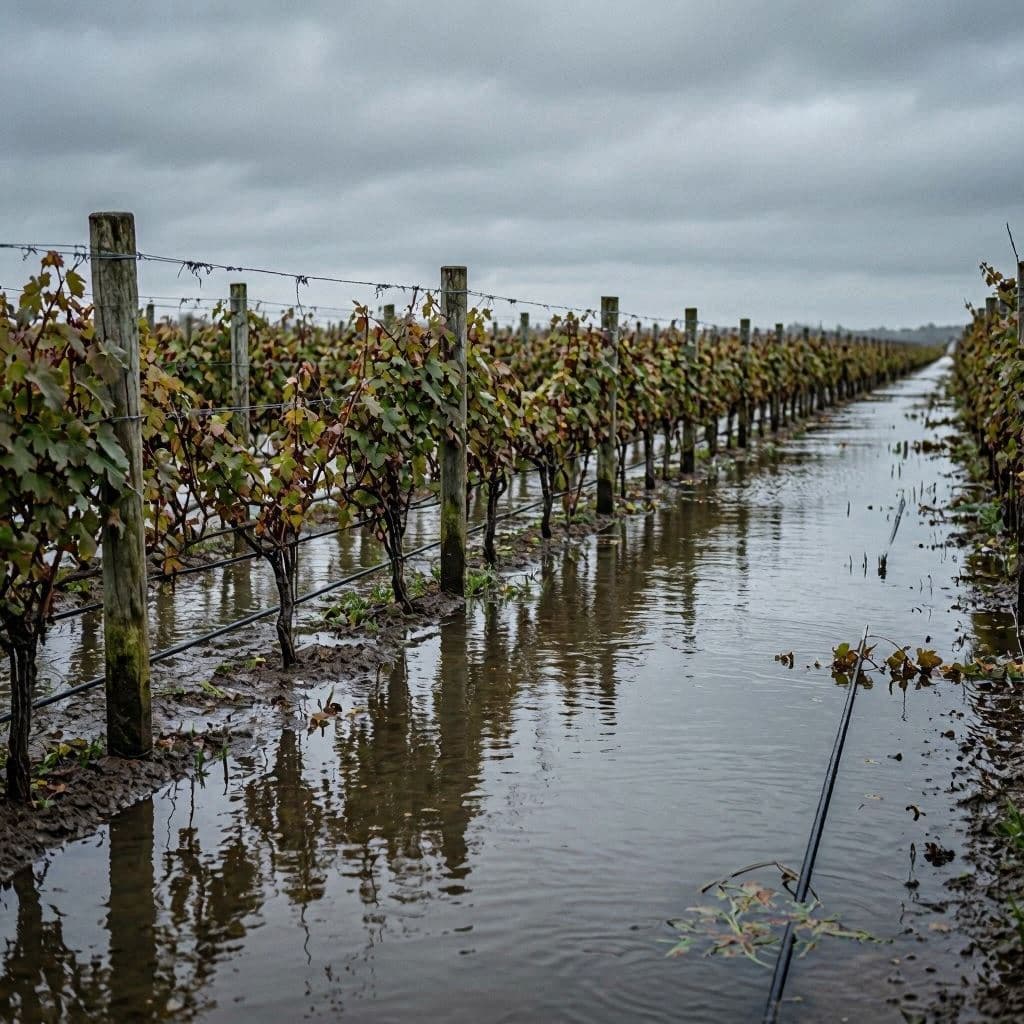
Farmers in the region are particularly hard hit, with fields of crops underwater and essential equipment at risk of damage. The timing of the storm is critical, as many farmers are in the midst of preparing for harvest or planting new crops. Waterlogged soil poses a significant threat, delaying agricultural work and increasing the risk of crop diseases, which could have dire economic consequences for families reliant on farming.
The Niagara wine industry, known for its premium vintages, is also facing potential setbacks. Vineyards located near waterways are closely monitoring water levels, as prolonged saturation can lead to root rot and soil erosion. Winemakers are concerned that the quality of the upcoming harvest may be compromised, as grapevines, while resilient, can suffer from stress due to excessive moisture.
In response to the flooding, local authorities have issued warnings about contaminated water and unsafe structures, urging residents to exercise caution. Community centers have been opened as temporary shelters for those displaced by the flooding, and the spirit of neighborly support is evident as volunteers assist in clearing debris and pumping out basements.
Cleanup efforts are expected to take days, if not weeks, as the water recedes and the full extent of the damage becomes apparent. Insurance adjusters are beginning to assess claims, providing a crucial lifeline for those facing significant repair costs. As the community begins to recover, the resilience of the people of Niagara shines through, demonstrating their determination to rebuild and adapt in the face of adversity.
Climate experts have noted that extreme weather events like this are becoming more frequent, underscoring the need for improved infrastructure and flood mitigation strategies. Investments in better drainage systems and sustainable land management practices are essential to protect the region's agricultural and residential assets in the future.
As the waters begin to recede, the people of Niagara are faced with the daunting task of recovery. The storm has left its mark, but the community's resolve to rebuild remains strong, rooted in the same soil that sustains them.
Published by Banx Network. This article is part of the Banx decentralized media programme, powered by the BXE token on the XRP Ledger.



