
Key Highlights
- Storm Basyang struck the southern Philippines, causing widespread flooding and landslides.
- Over 28,000 people were displaced, seeking shelter from the storm's aftermath.
- The storm disrupted maritime travel and closed schools across affected regions.
Tropical Storm Basyang, known internationally as Penha, made landfall late Thursday, unleashing a torrent of rain and wind across the southern Philippines. The storm's arrival was marked by a sudden shift in the atmosphere, transforming tranquil villages and bustling cities into scenes of chaos and urgency. As the storm swept ashore, it left behind a trail of destruction, with roads submerged and communities grappling with the immediate impacts of nature's fury.
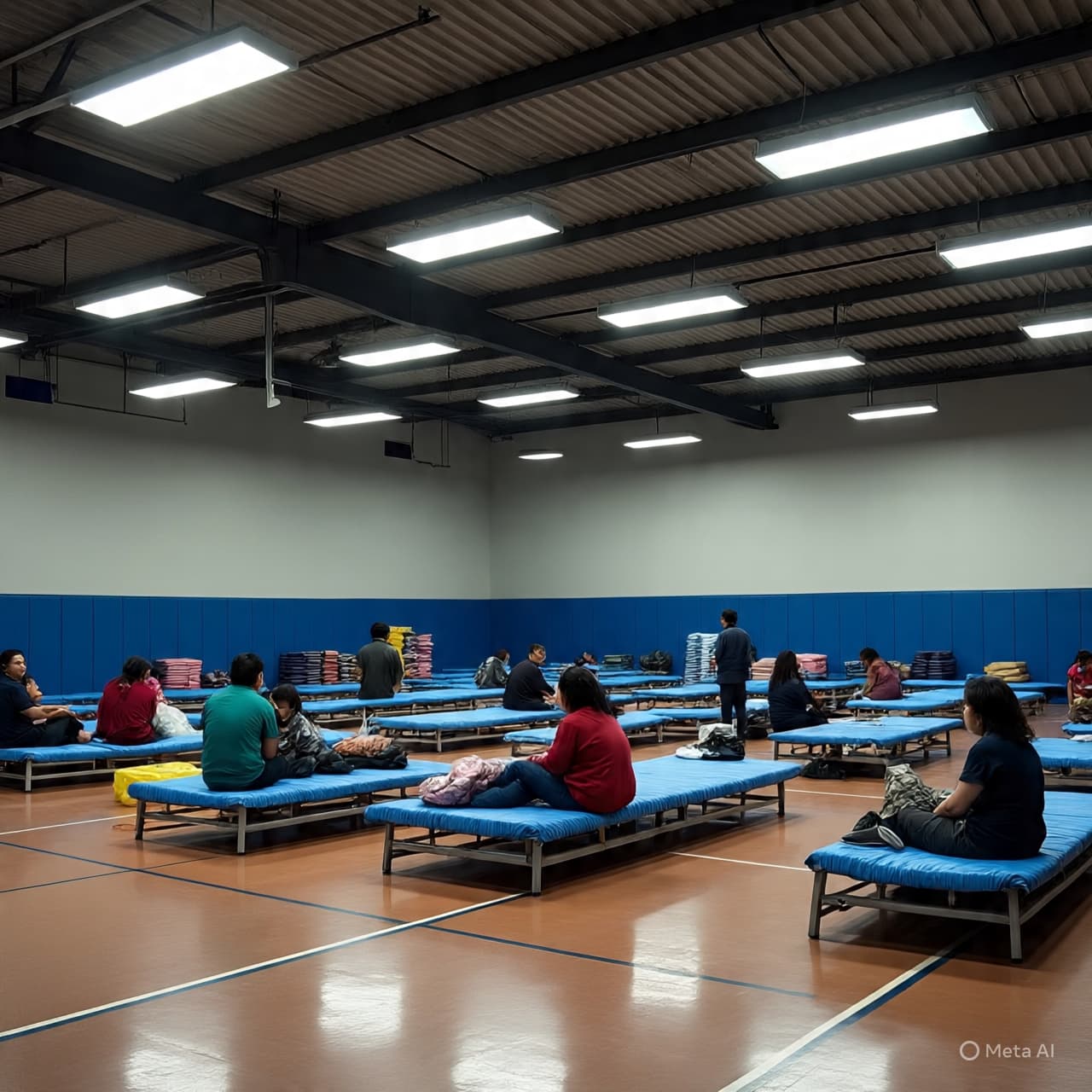
By Friday morning, the storm had weakened into a depression, but not before it had uprooted more than 28,000 residents. Families were forced to evacuate their homes, seeking refuge in emergency shelters set up in schools and community centers. In Cagayan de Oro, a tragic landslide claimed the lives of a family, highlighting the perilous conditions that many faced as floodwaters rose around them. The harrowing stories of those affected echoed through the region, illustrating the human cost of the storm.
The storm's effects extended beyond the immediate flooding. Maritime travel was severely disrupted, with ferries and cargo vessels stranded in ports due to rough seas. Schools, which should have been filled with students, were closed, leaving classrooms silent as communities braced for the storm's aftermath. The disruption to daily life was palpable, as families clung to hope amid uncertainty.
As the storm passed, the landscape bore the scars of its passage. Bridges were overtopped, rivers swelled beyond their banks, and fields were left waterlogged. Disaster response teams mobilized quickly, navigating through debris and rising waters to assist families in need. Their efforts were crucial in guiding residents to safety and providing shelter in community spaces that had once been bustling with daily activities.
The Philippines is accustomed to tropical storms, with an average of twenty storms impacting the archipelago each year. However, each storm brings unique challenges and consequences. The aftermath of Basyang serves as a reminder of the delicate balance between nature and human life, as communities work to rebuild and recover from the devastation.
As the waters recede and the sun breaks through the clouds, the quiet work of recovery begins. Communities are left to assess the damage, count their losses, and begin the long process of rebuilding. The resilience of the Filipino people shines through in these moments, as they come together to support one another and restore their lives. In the stillness that follows the storm, there is a sense of hope and determination, a promise that they will rise again, stronger than before.
Published by Banx Network. This article is part of the Banx decentralized media programme, powered by the BXE token on the XRP Ledger.



