
Key Highlights
- Incident:A police raid in Brazil resulted in 119 fatalities.
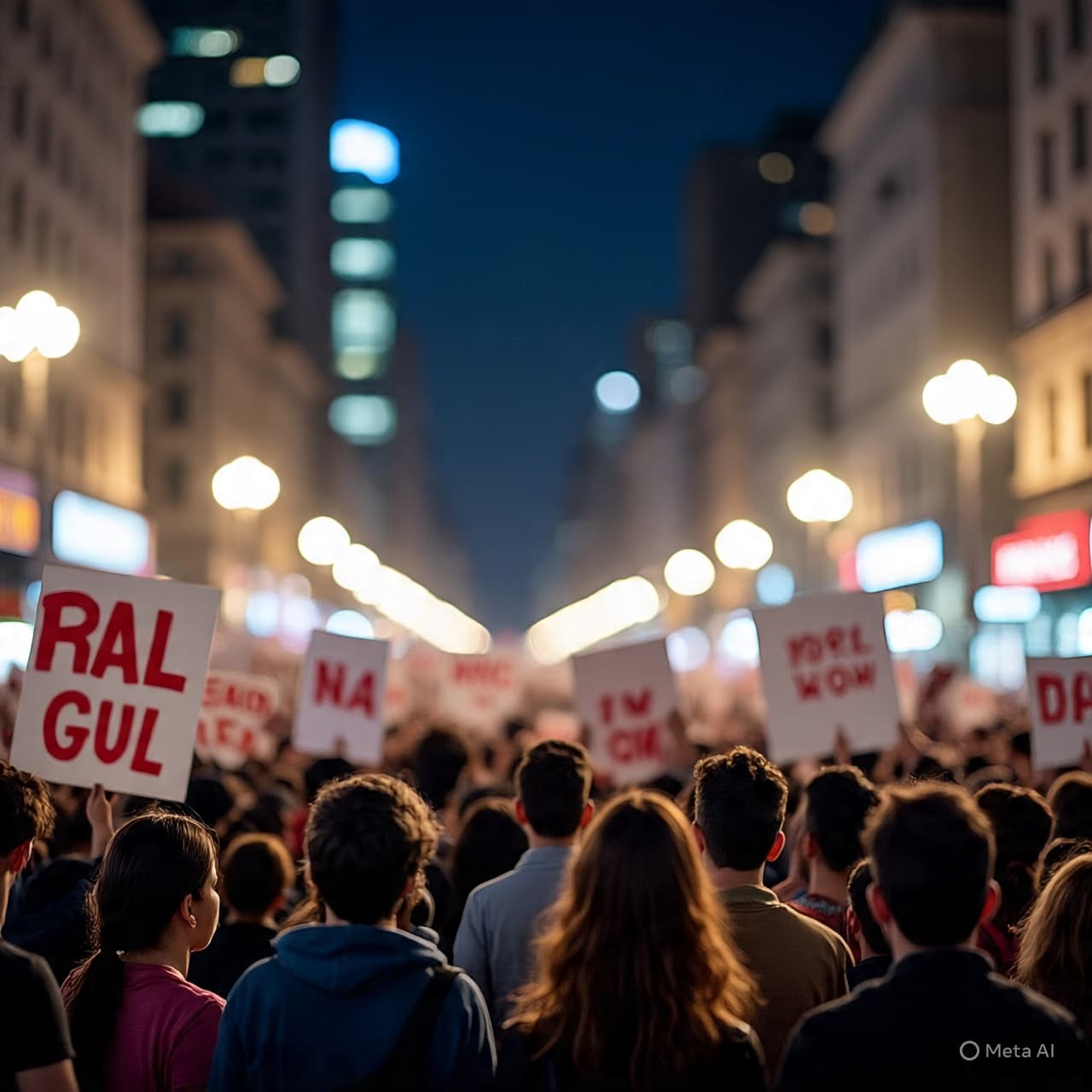
- Public Reaction:Protests erupted across multiple cities in response.
- Debate:The event has sparked a national discussion on state power and policing.
In a tragic turn of events, Brazil has once again found itself at the center of a heated national debate following a police raid that left 119 individuals dead. This incident has not only raised questions about the effectiveness of law enforcement in combating organized crime but has also ignited widespread protests across various cities in the country. The public's reaction has been polarized, with supporters of the raid arguing that it was a necessary measure against rampant criminal activity, while opponents decry it as an act of state-sanctioned violence.
The raid, which took place in a densely populated area known for its high crime rates, was intended to dismantle a notorious criminal organization. However, the scale of the operation and the resulting casualties have led many to question the tactics employed by law enforcement. Proponents of the raid argue that such aggressive actions are essential for restoring order and safety in communities plagued by violence. They contend that the police are fighting a war against organized crime that requires decisive action.
Conversely, critics of the raid have labeled it as an excessive use of force that disproportionately affects marginalized communities. They argue that the loss of life is a tragic consequence of a flawed approach to policing that prioritizes aggressive tactics over community engagement and support. This divide has prompted protests in major cities, where demonstrators have taken to the streets to voice their opposition to what they perceive as a brutal crackdown on citizens.
The moral implications of this incident extend beyond the immediate tragedy. It raises fundamental questions about the limits of state power and the ethical responsibilities of law enforcement agencies. As Brazil grapples with rising crime rates, the balance between maintaining public safety and respecting human rights has become increasingly tenuous. The ongoing protests serve as a reminder that the public is not merely a passive observer but an active participant in shaping the discourse around policing and state authority.
In the wake of the raid, various civil rights organizations have called for an independent investigation into the events that transpired. They demand accountability for the actions of the police and seek to ensure that such incidents do not become normalized in the fabric of Brazilian society. The call for transparency and justice reflects a broader desire for reform in policing practices, emphasizing the need for a more humane approach to law enforcement.
As the situation continues to unfold, it is clear that the ramifications of this police raid will be felt for some time. The public discourse surrounding the event highlights the complexities of crime, punishment, and the role of the state in addressing societal issues. Brazil stands at a crossroads, facing the challenge of reconciling the need for security with the imperative of upholding human rights and dignity for all its citizens.
Published by Banx Network. This article is part of the Banx decentralized media programme, powered by the BXE token on the XRP Ledger.



