
Key Highlights
- Incident:A hammer attack in Fussa, Tokyo, injured five people.
- Arrest:Suspect Teruyuki Takabayashi, 44, was arrested after fleeing.
- Community Impact:The attack has raised concerns about safety and mental health.
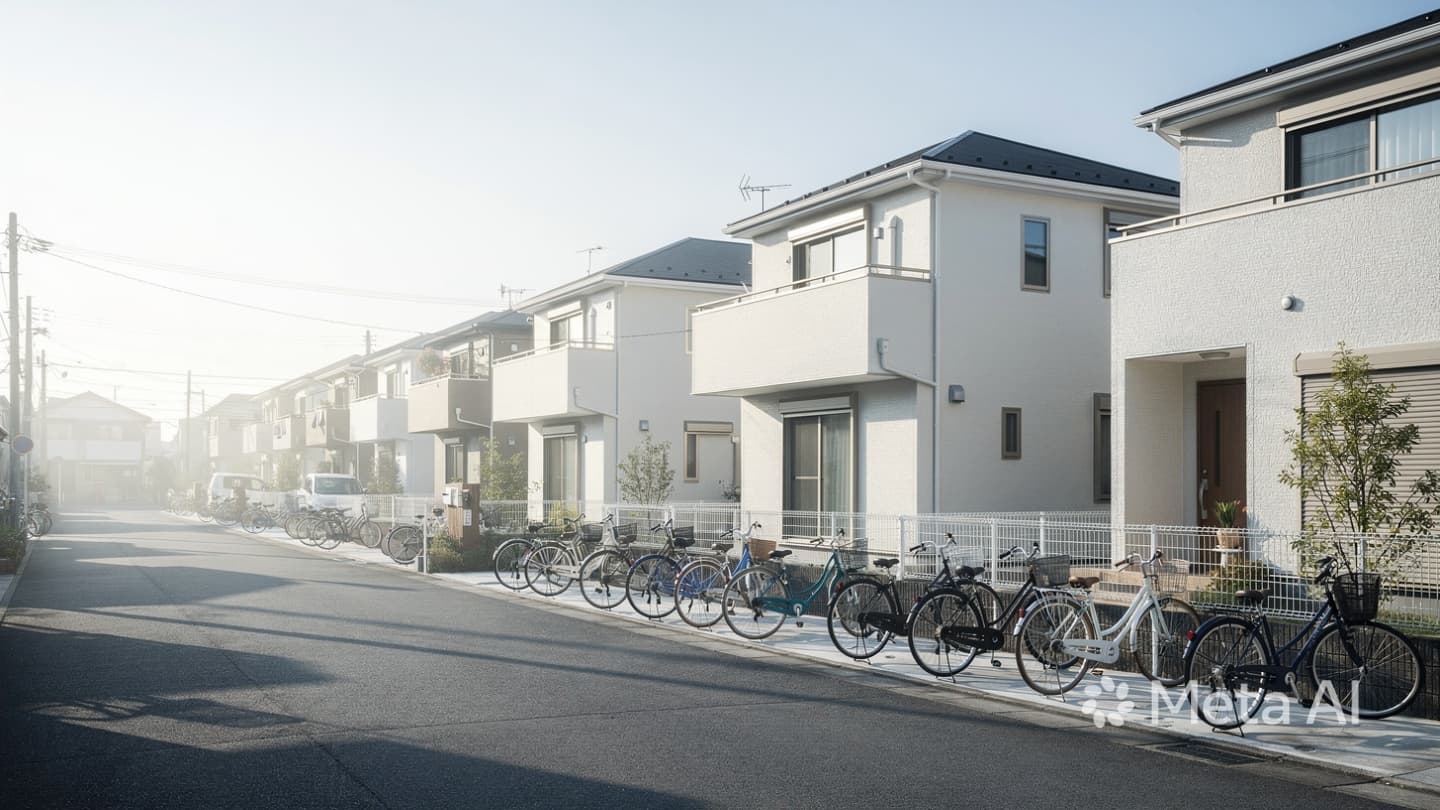
On a seemingly ordinary Wednesday morning in Fussa, a city nestled in the western suburbs of Tokyo, tranquility was shattered by an unexpected act of violence. The streets, typically filled with the sounds of children heading to school and the gentle hum of daily life, became the scene of chaos when a man armed with a hammer attacked five individuals, including a high school student who sustained serious injuries. This incident has left the community grappling with the implications of such a random act of aggression in a place known for its peace.
The attacker, identified as 44-year-old Teruyuki Takabayashi, reportedly emerged from his home without warning, launching an assault that would disrupt the lives of many. Witnesses described the scene as surreal, where the familiar landscape of their neighborhood transformed into a site of horror. The psychological impact of such violence is profound, as it violates the sense of safety that residents have come to expect in their suburban environment.
Following the attack, Takabayashi barricaded himself in his home, leading to a tense standoff with law enforcement. Officers trained to handle crises found themselves in an unusual situation, facing a suspect who resisted arrest with threats and weapons. The standoff lasted for four and a half hours, during which the community was left in a state of uncertainty and fear. Ultimately, Takabayashi managed to escape, slipping away into the city's extensive transit system, prompting a citywide manhunt.
The eventual arrest of Takabayashi in a quiet apartment in Narashino, Chiba Prefecture, marked a turning point in the case. Detectives utilized surveillance footage to track his movements, leading to a methodical capture that lacked the drama of the initial assault. Takabayashi's history of violence, including previous charges for an axe attack, raises questions about the effectiveness of mental health interventions and the societal factors contributing to such violent outbursts.
In the aftermath of the attack, the residents of Fussa are left to navigate a new reality. The incident has sparked discussions about community safety, mental health, and the invisible struggles that can lead to such tragic events. Parents are now more vigilant as they walk their children to school, and neighbors are more aware of the individuals living among them. The attack has served as a stark reminder of the fragility of peace in suburban life, where the ordinary can quickly turn into the extraordinary.
As the community begins to heal, the focus shifts to the legal proceedings against Takabayashi. While the physical wounds may heal with time, the psychological scars left on the community will require a concerted effort to address. Residents are slowly reclaiming their streets, but the memory of that fateful Wednesday morning lingers, a testament to the challenges of maintaining safety in an increasingly unpredictable world.
The healing process will involve not just the injured but the entire community as they work to restore trust and a sense of normalcy. The hammer and the knife that disrupted their lives have been replaced by the everyday symbols of suburban life, yet the shadow of violence remains a poignant reminder of the complexities of human behavior and the need for vigilance in safeguarding community well-being.
Published by Banx Network. This article is part of the Banx decentralized media programme, powered by the BXE token on the XRP Ledger.



