
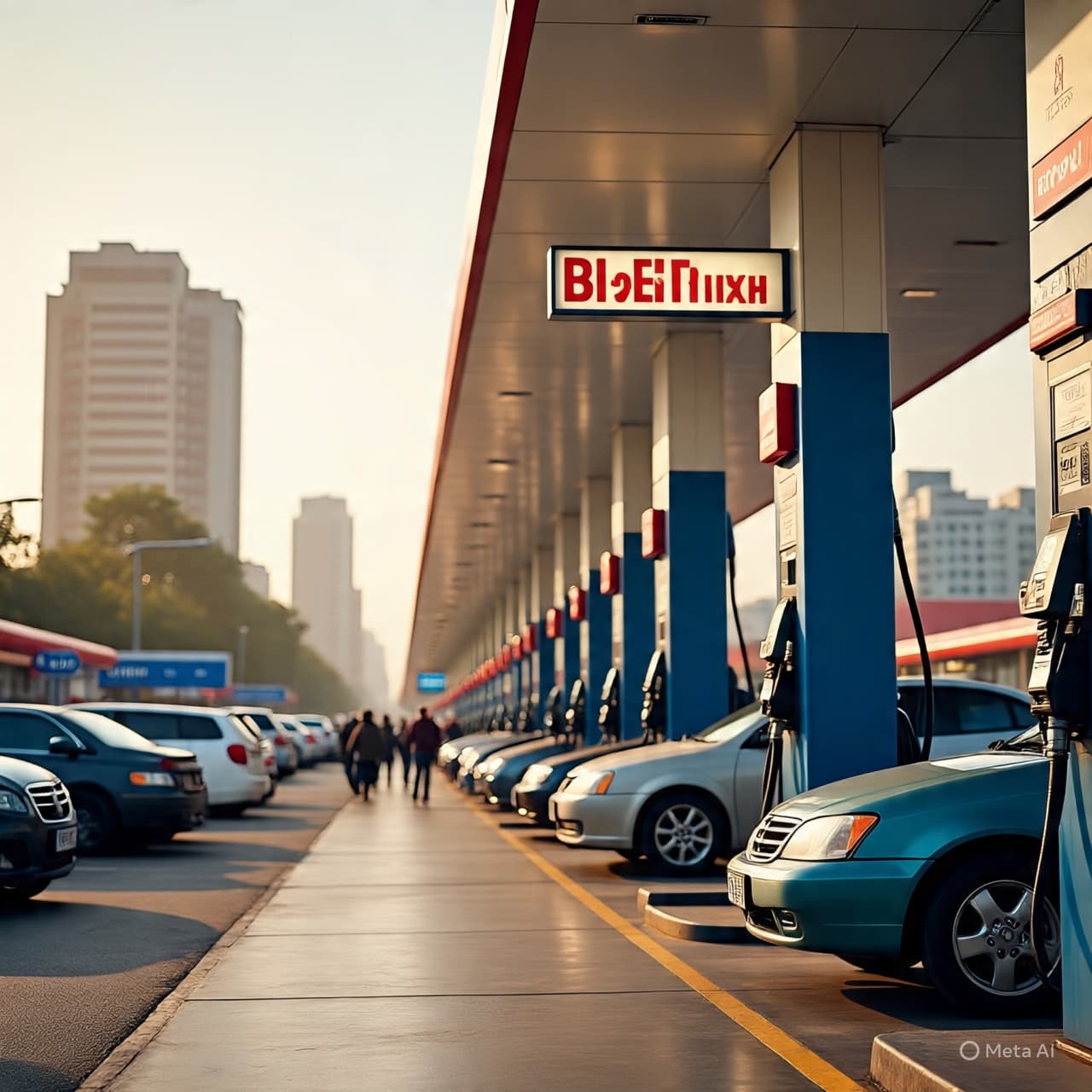
Along the highways and city streets of New Zealand, petrol stations are often small markers of movement — places where journeys pause briefly before continuing across hills, coastlines, and long rural roads. Drivers pull in for a few minutes, engines cooling while tanks fill, before returning to the steady rhythm of travel.
But this week, at several stations operated by Gull, the familiar routine was briefly disrupted.
As petrol prices climbed toward the $3-a-litre mark in parts of the country, a surge of drivers rushed to Gull forecourts seeking cheaper fuel. The sudden wave of demand drained supplies at a number of locations, leaving pumps temporarily empty and motorists searching elsewhere to continue their journeys.
The rush reflected the delicate balance that often shapes the fuel market. When prices rise quickly, even a small difference between retailers can trigger large shifts in consumer behavior. Drivers who might normally pass a station without a second thought suddenly change course, filling queues that stretch beyond the forecourt.
Gull, known for frequently offering lower prices than many competitors, became a focal point as motorists looked for relief from the rising cost of petrol. At several stations, that pressure quickly outpaced supply, forcing temporary closures while new fuel deliveries were arranged.
For motorists already navigating the financial strain of higher transport costs, the $3-a-litre milestone carries symbolic weight. Fuel prices have long been sensitive markers of economic pressure, touching nearly every part of daily life — from commuting to work, to transporting goods across the country’s long distances.
Industry observers note that petrol prices are influenced by a complex set of global and local factors. International oil markets, currency exchange rates, refining costs, and domestic taxes all contribute to the final price drivers see displayed on station signs.
In New Zealand, where communities are often spread across wide landscapes and travel by car remains essential for many households, shifts in fuel prices can ripple quickly through everyday routines.
For a moment this week, that ripple appeared in the quiet absence of fuel at several pumps — a reminder of how tightly daily movement is tied to the unseen systems that keep vehicles moving.
Soon enough, deliveries arrived, tanks were refilled, and traffic resumed its familiar flow. Yet the queues that formed outside Gull stations linger as a small sign of a larger reality: when the cost of fuel rises, the rhythm of the road changes with it.
AI Image Disclaimer Illustrations were created using AI tools and represent conceptual visualizations rather than actual photographs.
Sources
RNZ
New Zealand Herald
Stuff
Reuters
Ministry of Business, Innovation and Employment
Published by Banx Network. This article is part of the Banx decentralized media programme, powered by the BXE token on the XRP Ledger.

.jpg&w=3840&q=75 "Blake Lively Awarded $400,000 in Legal Fees After Justin Baldoni Lawsuit Dismissed")
