Morning traffic in California often moves like a slow river beneath pale sunlight, cars gliding along freeways that have carried generations across the state’s long distances. For decades, the rhythm of that movement has been tied to the quiet ritual of fuel stations—drivers pausing beneath bright canopies, watching numbers rise on digital meters. Yet lately, those numbers have climbed higher than many expected, casting a longer shadow across the state’s familiar roads.
In early March, gasoline prices in California surged sharply, with the statewide average climbing above five dollars per gallon, significantly higher than the national average. The increase reflects broader turbulence in global oil markets and disruptions affecting supply routes, pushing crude prices above $100 a barrel and sending ripples through fuel markets across the United States.
In moments like this, the conversation about energy rarely remains still. It moves through social media, investment circles, and the broader public imagination. Ross Gerber, the chief executive of Gerber Kawasaki Wealth and Investment Management and a longtime investor in the electric vehicle sector, entered that conversation with a simple message: rising fuel costs, he suggested, are a reminder that drivers have another option.
In a post on X, Gerber argued that many Californians could avoid the sting of gasoline prices by switching to electric vehicles. “This would be the time to buy an EV,” he wrote, framing electric cars as a practical way to step away from the volatility of fuel markets. For drivers who prefer alternatives to Tesla, he mentioned companies such as Rivian and Kia as possible choices.
His remarks arrived at a moment when California already stands near the center of America’s electric transition. The state has steadily encouraged the adoption of electric vehicles through policy, incentives, and infrastructure expansion, and EVs now represent a significant portion of new vehicle sales in the region. At the same time, the price of gasoline—shaped by global oil dynamics as well as state taxes and refining constraints—continues to fluctuate more sharply than in many other parts of the country.
For many drivers, the debate unfolds quietly in the background of everyday decisions: the cost of commuting, the distance between charging stations, the price of a new car, and the habits built over years of driving. A surge at the pump can feel immediate and personal, while the transition to electric vehicles unfolds gradually, one purchase at a time.
For now, the latest rise in California gasoline prices has renewed discussion about the future of transportation in the state. Investors, policymakers, and consumers continue to watch the shifting balance between fuel costs and electric adoption as the market evolves.
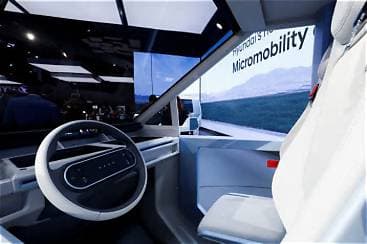
AI Image Disclaimer: Illustrations were created using AI tools and are not real photographs.
Sources
The Guardian Yahoo Finance AOL Finviz Intellectia
Published by Banx Network. This article is part of the Banx decentralized media programme, powered by the BXE token on the XRP Ledger.