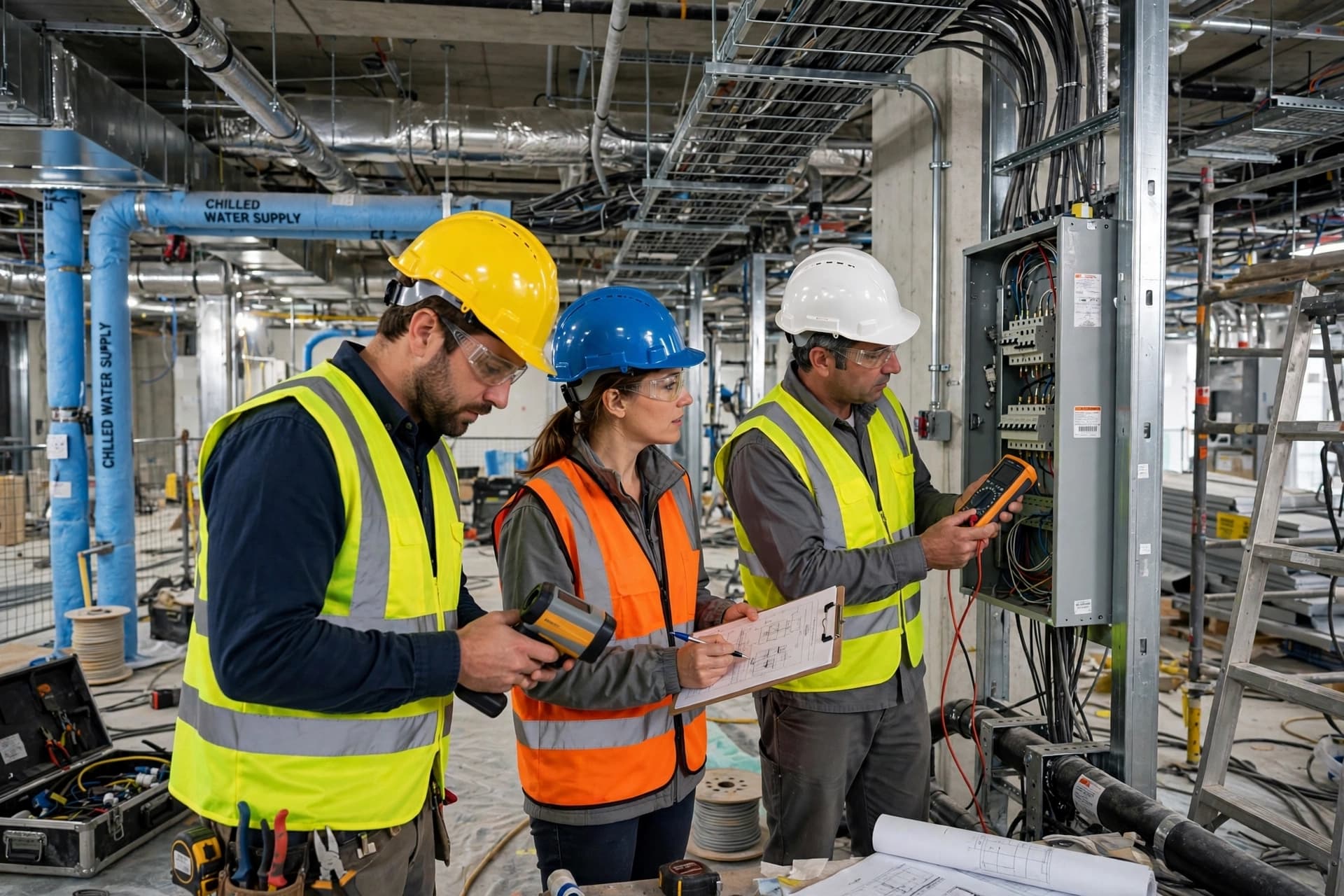
Ports are often described as gateways, but they are also engines. Day and night, they hum with cranes, cargo, and quiet calculation. In Berbera, where the Gulf of Aden meets the dry winds of the Horn of Africa, that engine has long run on diesel—steady, familiar, and costly. Now, a different current is beginning to rise, one drawn not from tankers but from sunlight.
has launched a 5-megawatt-peak solar plant as part of what it calls the “Green Berbera Vision,” an initiative aimed at shifting the port city’s energy mix away from diesel generation and toward renewable power. For a city defined by trade routes and maritime movement, the transition signals a quiet but meaningful recalibration.
Berbera’s port has grown in strategic importance over recent years, serving as a logistics hub linking the Horn of Africa to Gulf markets. Economic activity around the port has expanded, drawing warehouses, transport fleets, and support industries. Yet with growth came rising electricity demand, largely met by diesel-fired generators—reliable but vulnerable to fuel price volatility and environmental strain.
The 5 MWp solar installation introduces a new rhythm to that landscape. Solar arrays, aligned under open skies, offer daytime generation that can offset a portion of conventional fuel use. While modest in scale compared to large national grids, such capacity can significantly reduce diesel consumption in localized systems, especially when paired with efficiency measures or battery storage in future phases.
The “Green Berbera Vision” appears to extend beyond a single project. It reflects a broader intention to integrate renewable infrastructure into the city’s development path. For port operations—where lighting, refrigeration, and cargo handling demand consistent power—diversifying energy sources can enhance resilience and cost predictability.
Across Africa, port cities have increasingly become focal points for energy transition. Trade hubs often sit at the intersection of industrial growth and environmental responsibility. Renewable integration in such settings serves both economic and symbolic functions: it lowers operational costs over time while signaling alignment with global sustainability trends.
In Berbera’s case, the move toward solar energy also intersects with regional development dynamics. Infrastructure upgrades—whether in transport, logistics, or power—tend to reinforce one another. Cleaner electricity can complement modernized port facilities, strengthening the city’s competitiveness as a trade gateway.
The financial and technical structure of the project underscores the evolving role of private-sector developers in African energy landscapes. Renewable projects of this scale often rely on blended financing models and long-term power agreements that balance investor confidence with local affordability.
Diesel will not disappear overnight. Hybrid systems, combining conventional generation with renewables, are typically transitional by design. Yet even partial substitution can reshape cost structures and emissions profiles. For communities surrounding the port, the visual presence of solar panels may also serve as a visible marker of change—quiet, steady, and sun-driven.
The broader “Green Berbera Vision” suggests additional phases may follow, potentially including expanded solar capacity or complementary clean technologies. Such developments would depend on demand growth, grid integration planning, and regulatory coordination.
For now, the 5 MWp solar plant stands as an operational milestone. It marks the beginning of a gradual shift in how Berbera powers its engines of trade. The project has officially commenced operations, according to company statements, with further renewable initiatives expected to be evaluated as part of the city’s long-term energy planning.
AI IMAGE DISCLAIMER Illustrations were produced with AI and serve as conceptual depictions.
SOURCE CHECK
Credible media coverage found from: Reuters Bloomberg African Business Somaliland Chronicle The EastAfrican
Published by Banx Network. This article is part of the Banx decentralized media programme, powered by the BXE token on the XRP Ledger.