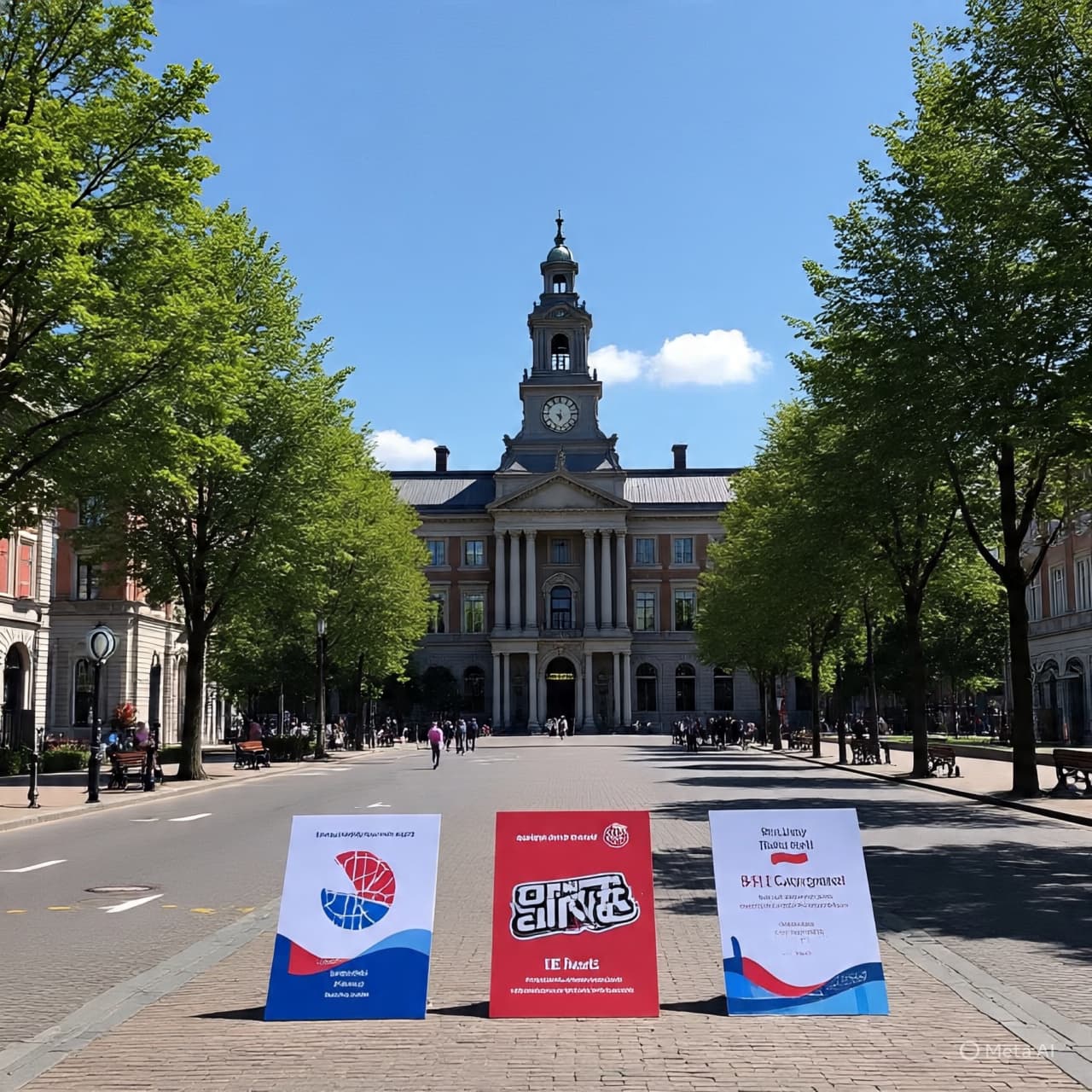
On cobblestone streets where ocean breezes meet the old facades of government buildings, Den Haag — a city once defined by its steadiness — now vibrates with a sense of political renewal. In the quiet corridors of community opinion, a shift seems to be taking shape, carried not on the roar of controversy but on the steady preference of many residents who speak of safety, clarity, and direction. In the latest pulse of public sentiment, Hart voor Den Haag rises with a quiet confidence many did not expect, securing the lead in a new municipal poll as municipal elections draw closer.
It is an image that captures both hope and reflection: a city that weathered years of political turbulence now poised to put its trust in a party that calls itself the voice of everyday people. According to the most recent Ipsos I&O research, Hart voor Den Haag is polling at about 12 seats in the 45‑member council — more than any other party.
For decades, Den Haag’s municipal politics were anchored in steady coalitions and established name‑brand parties. Yet today’s voters — at least in this snapshot of sentiment — seem drawn to a different style of engagement: one that foregrounds practical problems many feel touched by every day. Safety on the streets, rising concerns over housing availability, and a desire for more responsive governance all appear among the priorities cited by residents, and many suggest these have created a “gezagscrisis” — a sense that authority is not being felt strongly enough in neighborhoods where people live, work, and raise families.
In this environment, Hart voor Den Haag, led by Richard de Mos, positions itself as a party that speaks directly to lived experience. With its roots in ombudspolitiek — a local‑first style of politics that emphasizes listening, presence, and practical solutions — the party frames its rise not simply as a tally of seats but as a deeper yearning for leadership that feels rooted in the everyday rhythms of life.
Yet what lies beneath the figures and campaign slogans is a broader reflection of how Den Haag’s political life has evolved in recent years. Residents and commentators alike note that issues like crime perception, housing delays, and public debate over asylum policies have shaped local discourse in profound ways, inviting citizens to reconsider not just which party they support, but what they expect from public office.
It’s worth remembering that polls are a moment in time — a snapshot, not a destiny. The Ipsos research notes that its figures reflect sentiment in January and underscores that things can still change before Den Haag votes in March 2026.
Still, for many the latest results carry a quiet resonance. They suggest a city seeking stability and clarity after years of debate and political ups and downs. And as campaign posters begin to appear and conversations happen on street corners and in living rooms, a kind of civic reflection settles over the city: could this be the moment Den Haag turns a page toward a chapter of renewed confidence?
AI Image Disclaimer Graphics are AI‑generated and intended for representation, not reality.
Sources : Telegraaf Hart voor Den Haag (official site) Omroep West Rodi.nl RD.nl
Published by Banx Network. This article is part of the Banx decentralized media programme, powered by the BXE token on the XRP Ledger.