Earth’s climate system is often described as vast and resilient, shaped by interconnected cycles of ocean, atmosphere, ice, and land. Yet within this complexity lie thresholds—points where gradual changes may lead to more rapid and significant shifts in system behavior.
Climate scientists studying global systems have increasingly focused on the concept of tipping points. These are not sudden events in themselves, but rather conditions under which a system may transition into a new state after gradual pressure.
Examples often discussed include ice sheet stability, ocean circulation patterns, and rainforest resilience. Each of these systems responds to environmental stress in different ways, and their interactions remain an active area of research.
Institutions such as the Intergovernmental Panel on Climate Change and various climate modeling centers continue to analyze how warming temperatures may influence these thresholds over time.
What makes tipping points particularly challenging to study is their uncertainty. While models can suggest possible ranges, precise timing and outcomes are difficult to determine due to the complexity of Earth’s interconnected systems.
Researchers emphasize that the presence of uncertainty does not reduce the importance of monitoring. Instead, it highlights the need for continuous observation and improved modeling techniques.
The discussion in scientific communities is not framed around inevitability, but around understanding risk and resilience in a changing environment.
As research progresses, the study of climate tipping points remains a central part of understanding Earth’s long-term trajectory, offering insight into how small changes can accumulate into larger transformations.
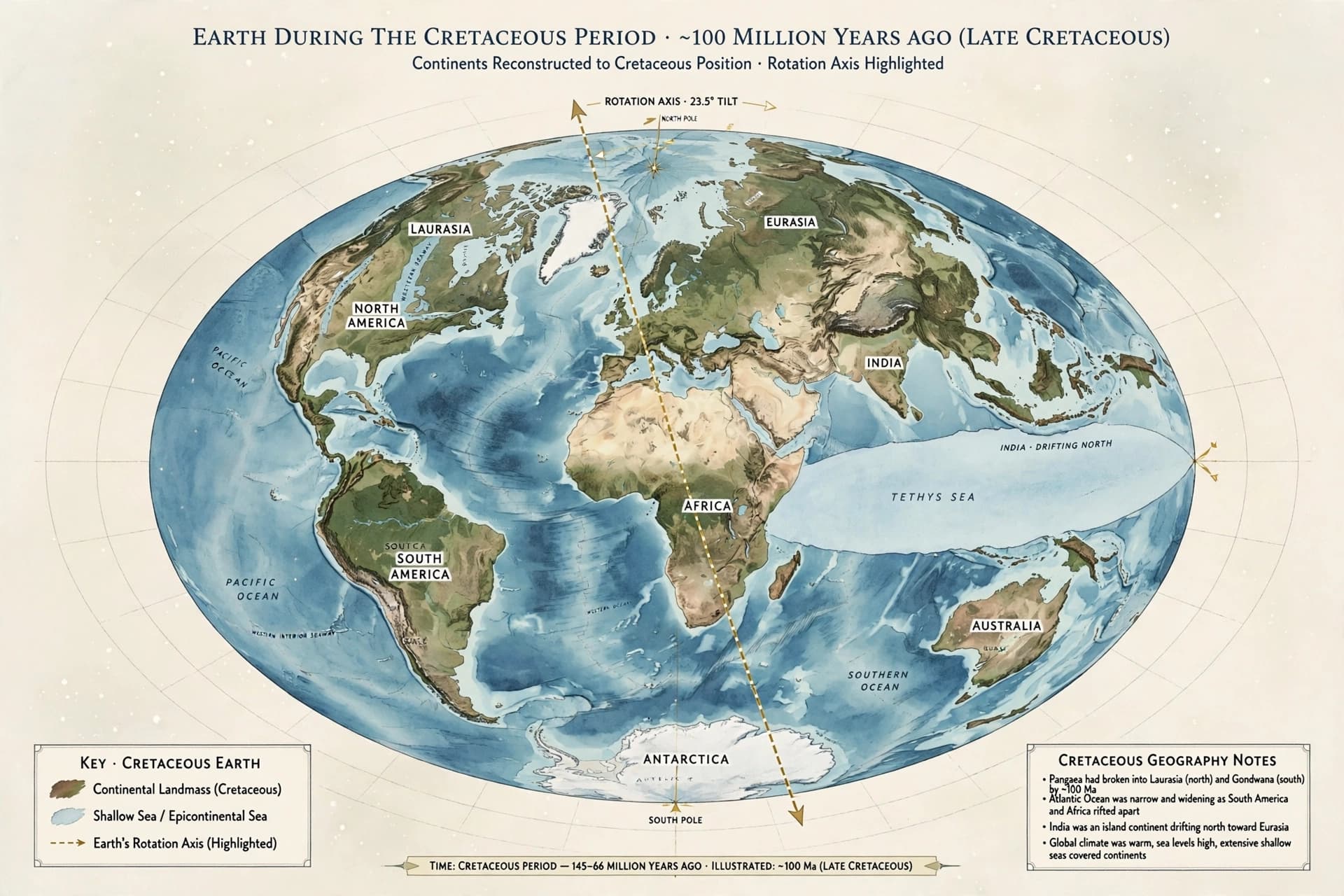
AI Image Disclaimer: Images are AI-generated conceptual illustrations used for editorial visualization.
Sources: IPCC, Nature Climate Change, NOAA, Science Magazine, World Meteorological Organization
Published by Banx Network. This article is part of the Banx decentralized media programme, powered by the BXE token on the XRP Ledger.