
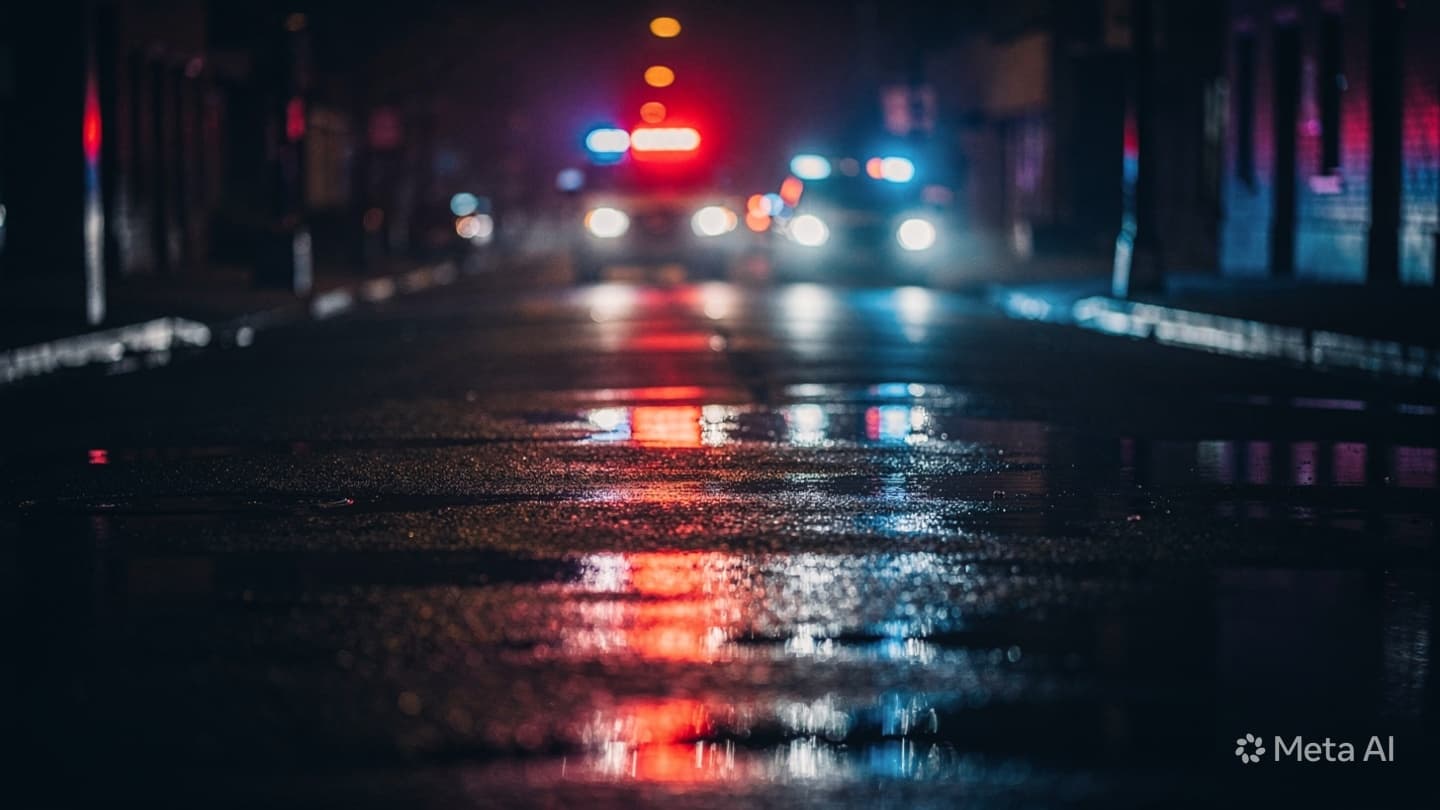
The streets of Flemington often hold a quiet, steady rhythm, where the hum of city life blends seamlessly with the movement of those traveling to and from their daily destinations. It is a space defined by the flow of progress, a network of thoroughfares that rely on the unseen agreement of safety and collective responsibility. Yet, on a recent evening, this rhythm was abruptly shattered. The high-range drink driving incident that unfolded served as a stark, jarring reminder of how quickly the mundane expectation of arrival can be eclipsed by the dangerous consequences of human error.
To witness the aftermath of such an event is to observe a scene defined by the sudden intrusion of official authority into the flow of local life. The flashing lights of the police cruisers, casting long, rhythmic shadows against the brick facades of the neighborhood, transformed a standard stretch of road into a space of serious, clinical inquiry. For the officers tasked with the scene, the work is a matter of precision—securing the environment, assessing the damage, and documenting the reality of a choice that placed the entire community at risk.
The suspension of a driver’s license is a procedural formality, yet it represents a profound shift in the individual’s relationship with the world. It is the end of an autonomy that was abused, a silencing of the mobility that was once taken for granted. In the quiet, sober hours following the incident, the implications of that suspension settle in. The individual is left to confront the reality of their actions, while the community is left to grapple with the discomfort of a near-miss that could have easily evolved into a far more permanent tragedy.
Such events often provoke a ripple of reflection among those who live and work in the area. We build our lives on the assumption that the roads we share are governed by a baseline of care, a shared understanding of the gravity involved in operating a vehicle. When that baseline is ignored, it shakes the foundational trust of the neighborhood. The incident in Flemington becomes more than a police report; it becomes a cautionary tale, a moment that prompts residents to consider the fragility of the safety they inhabit every time they step outside.
The investigation into the incident will proceed through the established legal channels, a process governed by the calm, methodical requirements of the law. Evidence will be analyzed, statements will be formalized, and the circumstances of the night will be distilled into a matter of official record. It is an essential, if sobering, sequence of events, designed to ensure that accountability is upheld and that the severity of the offense is acknowledged within the wider context of public welfare.
In the quiet days that follow, the streets of Flemington will slowly return to their accustomed rhythm, the memory of the incident receding into the background of local life. Yet, for those involved, the impact remains a tangible weight. It is a period for introspection, for acknowledging the profound responsibility that accompanies our freedom of movement. The roads we traverse are not merely conduits for our ambitions; they are shared spaces that demand a constant, vigilant mindfulness of the lives moving alongside our own.
The incident serves as a poignant reminder that we are all, in a sense, custodians of one another’s safety. The choices we make in the privacy of our own journeys have public consequences, echoing far beyond the moment of impact. As the legal proceedings move forward, the community is left with the challenge of processing the event and reinforcing the standards of care that keep the city’s lifeblood flowing safely. It is a time for patience, for reliance on the system, and for a collective renewal of the commitment to responsible motion.
Ultimately, the event stands as a stark, uncomfortable marker of the thin line between order and chaos. The suspension of a license is the first step in a long process of reckoning, both for the individual and for the community. It is a moment that invites us all to pause, to look at the roads we travel with renewed awareness, and to recognize that our individual journeys are inextricably linked to the well-being of the collective whole.
Published by Banx Network. This article is part of the Banx decentralized media programme, powered by the BXE token on the XRP Ledger.

.jpg&w=3840&q=75 "US Declares Drought Disaster for Parts of Puerto Rico as Dry Conditions Persist")