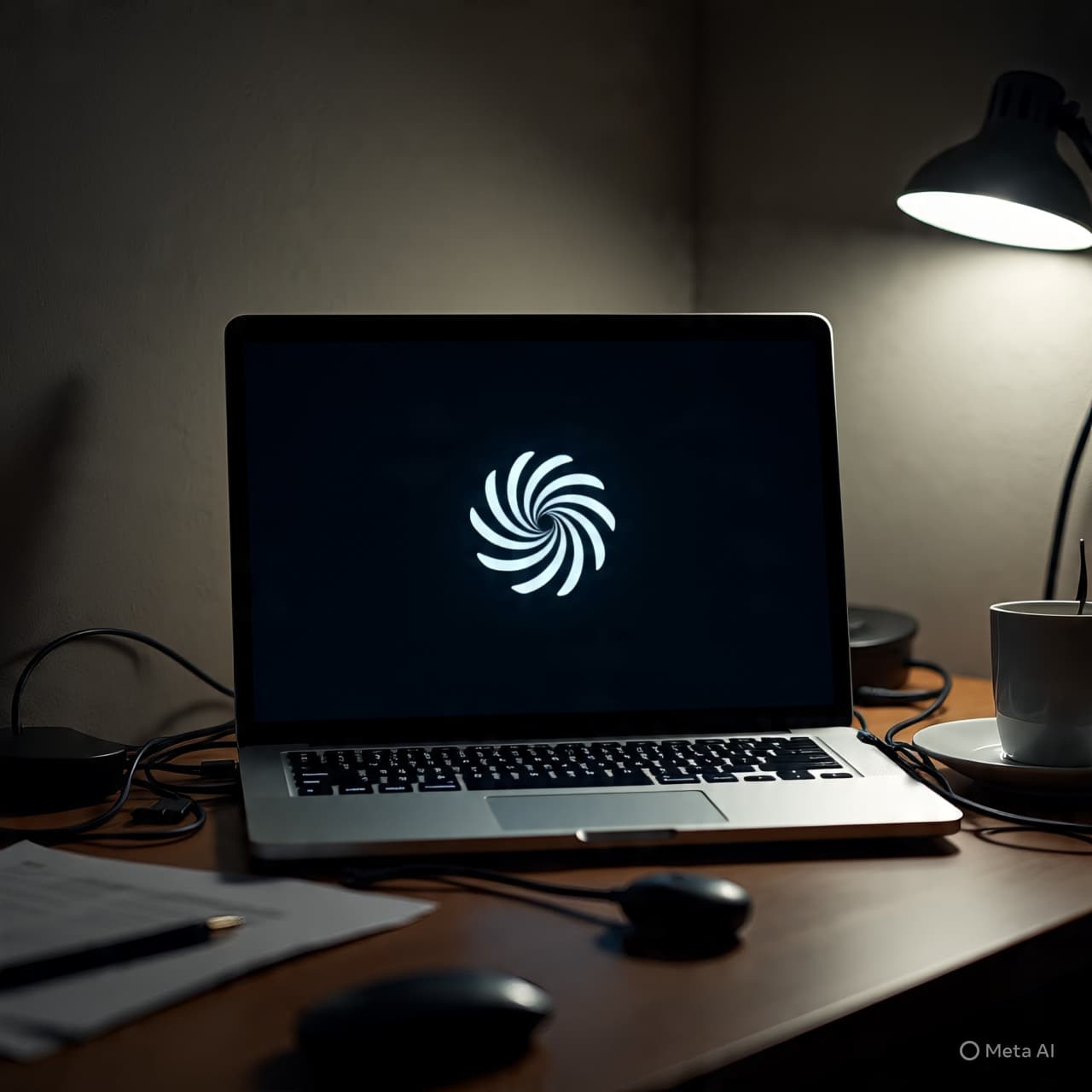
Software updates are meant to pass unnoticed. They arrive quietly, install while attention is elsewhere, and leave behind nothing but the faint reassurance that systems are safer, smoother, more prepared for what comes next. Microsoft’s first Windows 11 update of 2026 did not behave that way.
Instead, the update arrived with weight. Reports spread quickly of systems slowing, features misfiring, and settings changing without invitation. Some users found machines caught in restart loops. Others described broken taskbars, disabled peripherals, or performance drops that felt out of proportion to what was supposed to be routine maintenance.
For IT departments, the timing was especially unwelcome. The first major update of the year often sets the tone, a signal of stability after holiday freezes and delayed rollouts. This one prompted pauses, rollbacks, and a familiar return to contingency plans that many hoped had become unnecessary.
Microsoft acknowledged the issues as they surfaced, confirming that certain configurations were more vulnerable than others. Fixes were promised, then partially delivered, then followed by guidance that suggested waiting rather than installing. For users caught in the middle, reassurance arrived slower than disruption.
Windows 11 has always carried the burden of expectation. Marketed as calmer, cleaner, more refined than its predecessor, it was supposed to reduce friction, not reintroduce it. Each problematic update chips at that promise, reminding users that modern operating systems are living systems—patched continuously, but never fully settled.
The episode also reflects a broader tension in software development. Security demands speed. Stability demands restraint. Updates must protect against threats that evolve daily, yet every change risks disturbing environments that depend on predictability. When something goes wrong, the failure feels personal, arriving not as a headline but as a frozen cursor or an unresponsive screen.
By the time patches stabilize, the damage to confidence has already occurred. Users remember inconvenience more vividly than repair. They postpone updates. They hesitate. Trust becomes conditional.
Microsoft will move past this update, as it always does. Systems will normalize. Another version will follow. But the messy start to 2026 leaves behind a quieter lesson: in an ecosystem where software underpins work, communication, and daily routine, reliability is not just a technical goal. It is an emotional contract. And when it falters, even briefly, people notice.
AI Image Disclaimer Illustrations are AI-generated and intended as conceptual representations.
Sources Reuters The Verge Ars Technica Windows Central
Published by Banx Network. This article is part of the Banx decentralized media programme, powered by the BXE token on the XRP Ledger.


.jpg&w=3840&q=75 "The Artemis Revolution: How NASA Plans to Build Humanity's Future on the Moon")