

Key Highlights
- Testimony Scheduled:Bill and Hillary Clinton to testify before Congress.
- Epstein Investigation:Inquiry focuses on ties to Jeffrey Epstein.
- Political Tensions:Ongoing debates over transparency and accountability.
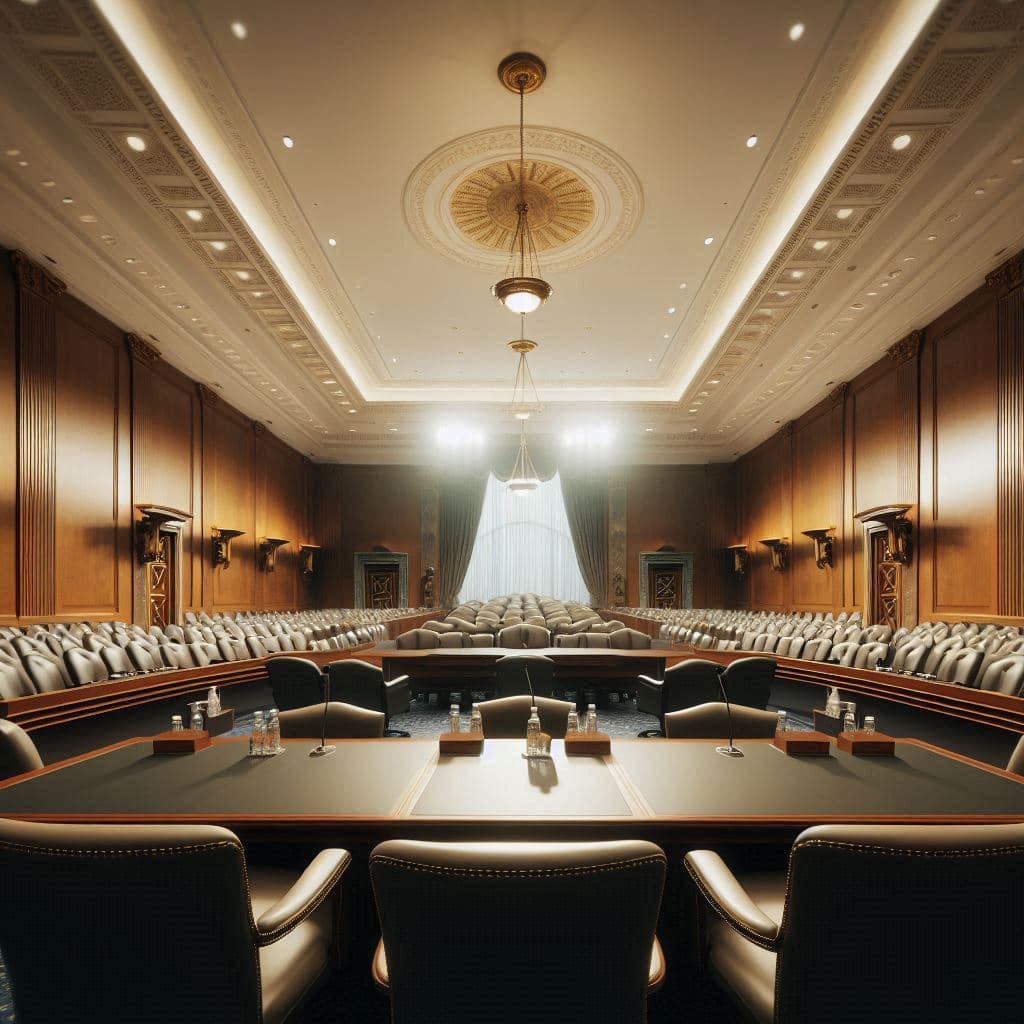
This week, Bill and Hillary Clinton have agreed to testify before the U.S. House of Representatives as part of an investigation into connections between prominent figures and the late financier Jeffrey Epstein. This decision comes after weeks of procedural tension, during which the House Oversight Committee considered contempt of Congress measures due to the Clintons' earlier refusals to appear. The shift from a standoff to scheduled testimony marks a significant development in a case that continues to resonate in political discourse.
The inquiry into Epstein's network, which has implicated various high-profile individuals across politics, finance, and society, raises critical questions about accountability and the past. Epstein's death has not quelled public interest; instead, it has intensified scrutiny over who was aware of his actions and when. For lawmakers, this investigation is framed as a necessary effort to clarify these connections and examine the government's previous handling of Epstein-related cases. For the Clintons, this testimony presents an opportunity to reiterate their long-standing denials of any knowledge of Epstein's crimes while acknowledging their past social interactions with him.
According to communications from the committee, discussions are ongoing regarding the format and timing of the testimony. Previous proposals have included transcribed interviews and sworn declarations, but committee leaders have emphasized the importance of in-person depositions. Both sides have framed their positions as principled, even as negotiations continue to unfold.
Public reaction to the Clintons' agreement to testify has been predictably divided, reflecting the broader political fault lines in the country. Some view this step as essential for transparency and accountability, while others see it as a compromise influenced by political pressure. Regardless of the perspective, the ongoing inquiry into Epstein's connections continues to reopen discussions that many believed had been settled.
As the House prepares for the next phase of its inquiry, the upcoming testimony—whenever and however it occurs—will contribute to an already dense record of Epstein-related investigations. While it may not resolve every question surrounding the case, it will add new statements to the official archive, where future interpretations will await their turn.
In Washington, history often unfolds not through decisive actions but through the gradual accumulation of statements, both sworn and unsworn, that shape the narrative of accountability and justice.
Published by Banx Network. This article is part of the Banx decentralized media programme, powered by the BXE token on the XRP Ledger.




