
Key Highlights
- Hospitals in Lebanon are overwhelmed due to extensive Israeli strikes.
- The conflict has led to significant humanitarian concerns and community damage.
- Diplomatic calls for restraint highlight the ongoing tensions in the region.
In recent days, the atmosphere in Lebanon has shifted dramatically, marked by a palpable tension following a series of extensive Israeli airstrikes. These attacks, described as some of the most significant in recent memory, have left hospitals struggling to cope with an influx of casualties. The once-familiar rhythms of daily life have been disrupted, replaced by the urgent sounds of sirens and the frantic pace of medical response.
Reports indicate that medical facilities across the country are facing unprecedented challenges. With resources stretched thin, healthcare workers are navigating a landscape defined by necessity rather than routine. The number of wounded arriving at hospitals has surged, creating a situation where the line between immediate care and long-term consequences blurs. The emotional toll on medical staff is evident as they work tirelessly to provide care amidst chaos.
The Israeli strikes, targeting areas associated with Hezbollah, have escalated tensions in an already volatile region. Israeli officials justify these operations as necessary for national security, particularly in light of perceived threats along the northern border. However, the extensive nature of the attacks has resulted in widespread destruction, affecting not only strategic military sites but also civilian infrastructure and communities.
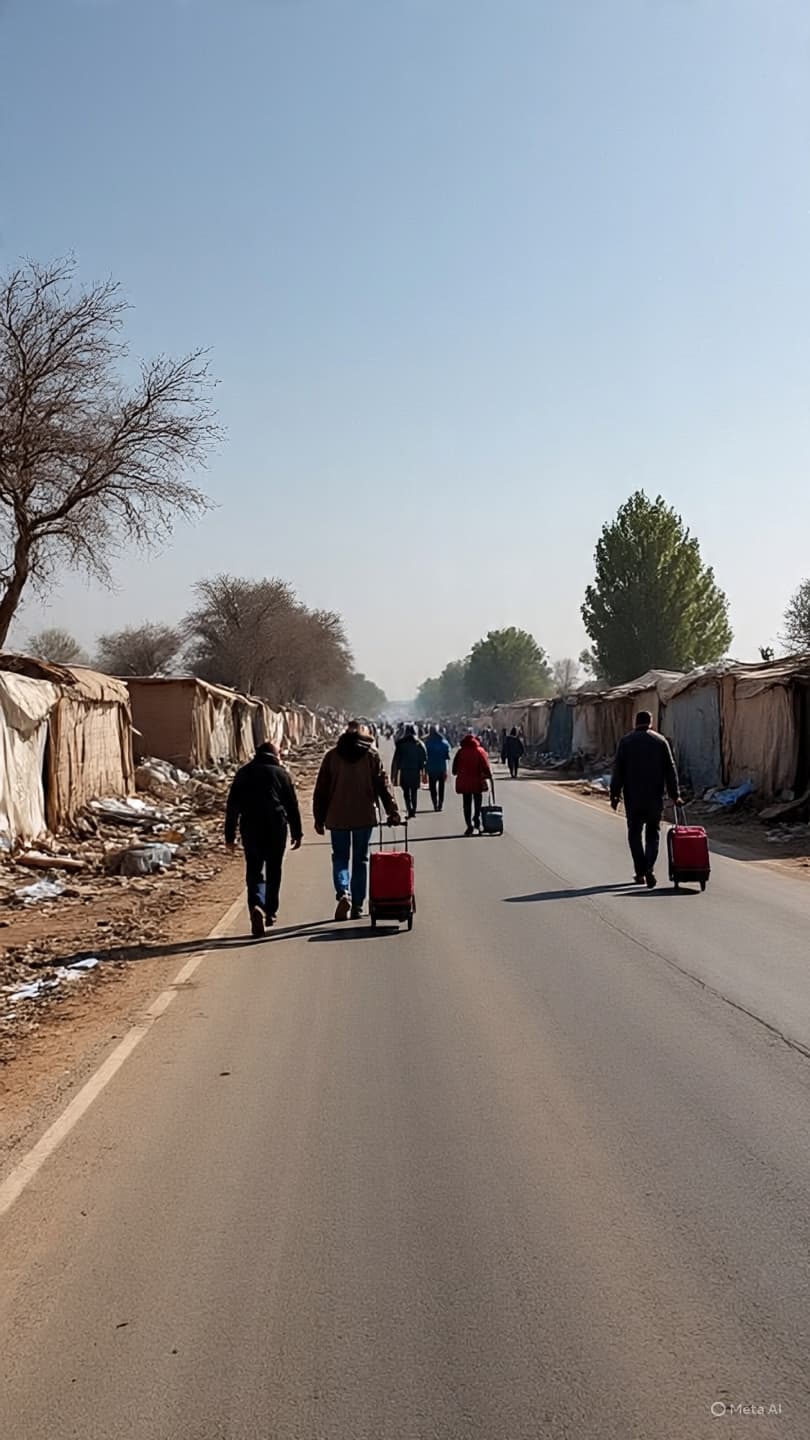
In southern Lebanon, the impact is stark. Buildings lie in ruins, roads are obstructed by debris, and the sense of normalcy has been shattered. Residents are grappling with the reality of displacement and uncertainty, as their neighborhoods transform from familiar spaces into fragmented landscapes. Each day brings new challenges, forcing individuals to adapt to a rapidly changing environment.
The humanitarian implications of this conflict are becoming increasingly severe. Aid organizations are raising alarms about the rising number of displaced individuals and the deteriorating access to essential services such as food, water, and medical care. The scale of destruction complicates relief efforts, as organizations struggle to respond effectively to the urgent needs of affected populations.
As the situation unfolds, diplomatic voices are calling for restraint and dialogue. Yet, the path to de-escalation remains uncertain. The historical context of past conflicts looms large, reminding all involved of the potential for prolonged instability. Each new escalation carries the weight of previous experiences, making the stakes even higher for those living through this turmoil.
For the people of Lebanon, the current moment is marked by both immediate urgency and a deeper awareness of the long-term consequences. The challenge of rebuilding physical structures is compounded by the need to restore a sense of continuity and normalcy in their lives. As the echoes of sirens fade, the uncertainty of what lies ahead remains a heavy burden.
In summary, Lebanon is facing a critical juncture as it grapples with the aftermath of extensive Israeli strikes. Hospitals are overwhelmed, communities are in disarray, and the humanitarian crisis continues to escalate. The need for urgent action and support is more pressing than ever as the region navigates this complex and evolving situation.
Published by Banx Network. This article is part of the Banx decentralized media programme, powered by the BXE token on the XRP Ledger.



