
Key Highlights
- Event:The Munich Security Conference gathers diplomats and experts.
- Focus:Discussions center on U.S. foreign policy and global alliances.
- Concerns:Experts express fears over the reliability of NATO and international law.
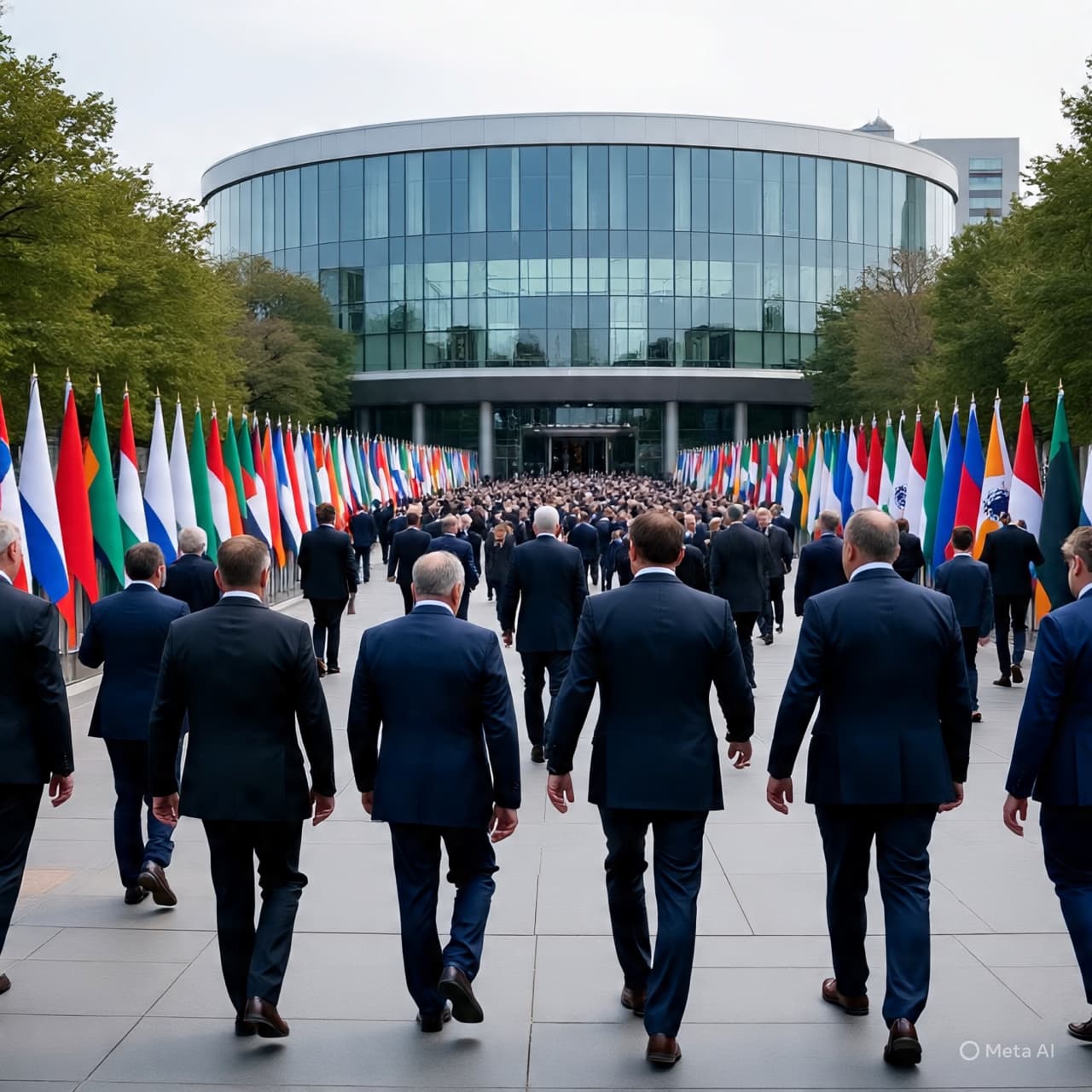
The Munich Security Conference, held annually in February in Munich, Germany, serves as a pivotal gathering for diplomats, military leaders, and security experts to discuss pressing global issues. This year, the atmosphere is charged with a sense of urgency as participants grapple with the implications of shifting alliances and the evolving role of the United States in international affairs. The discussions reflect a growing unease among European nations regarding the reliability of traditional partnerships and the stability of the post-World War II order.
Central to the debates at this year's conference is the notion of 'wrecking-ball politics,' a term used in the Munich Security Report 2026 to describe the disruptive forces reshaping global diplomacy. The report highlights the impact of U.S. President Donald Trump's foreign policy, which many European observers believe has undermined the cooperative frameworks that have historically maintained global stability. The shift from predictable diplomatic engagements to more unilateral actions has raised alarms among allies, who fear that long-standing alliances are being tested.
European security experts are particularly concerned about the implications of this shift for collective defense structures like NATO. The traditional understanding of shared commitments and coordinated responses to crises is being challenged by a more transactional approach to international relations. This change is evident in the way allies now perceive U.S. foreign policy, which appears increasingly focused on immediate gains rather than long-term partnerships. The metaphor of a wrecking ball aptly captures the frustration felt by many in Europe, who worry that the norms and institutions established over decades are at risk of being dismantled.
The anxiety surrounding these developments is not merely theoretical; it manifests in concrete concerns about the future of NATO and the West's collective response to threats from adversaries like Russia. In previous crises, a sense of shared purpose guided diplomatic efforts, but the current landscape is marked by unpredictability and shifting priorities. This has led to a growing sense of insecurity among European nations, who are now faced with the challenge of balancing their cooperation with the U.S. while also seeking to enhance their own strategic autonomy.
Despite the prevailing concerns, not all voices at the conference echo the alarmist tone. U.S. representatives argue that the changes in foreign policy are designed to encourage allies to take greater responsibility for their own defense and for addressing global challenges. This perspective highlights the complexity of transatlantic relations in an era characterized by rapid geopolitical change. The differing interpretations of the current situation underscore the need for ongoing dialogue and cooperation among allies, even as they navigate the uncertainties of the future.
As the Munich Security Conference unfolds, it becomes clear that the discussions taking place are not just about immediate policy shifts but also about the broader implications for the international order. The outcomes of these conversations will likely shape the future of global diplomacy and the stability of alliances for years to come.
Published by Banx Network. This article is part of the Banx decentralized media programme, powered by the BXE token on the XRP Ledger.



