There is a certain quiet promise in the night sky—a sense that, even in stillness, something is always on the move. April arrives not with loud declarations, but with a subtle invitation to look upward, where darkness becomes a canvas and time seems to stretch just enough for fleeting brilliance to leave its mark. It is in these moments, between the ordinary and the infinite, that meteor showers begin to tell their gentle stories.
As the month unfolds, two meteor showers make their seasonal return, each carrying with it a rhythm shaped long before our own calendars were drawn. These are not sudden spectacles, but recurring passages—celestial patterns that revisit Earth with quiet consistency. The Lyrids, among the oldest recorded meteor showers, emerge first, followed by the Eta Aquariids, known for their swift and luminous trails. Together, they offer a reminder that even in the vastness of space, there is a kind of continuity that invites observation rather than interruption.
The Lyrids typically peak in the latter half of April, offering a modest yet meaningful display. Under favorable conditions, observers may see a dozen or more meteors per hour, their paths brief but distinct. These streaks of light are fragments of comet debris, entering Earth’s atmosphere and burning away in seconds. Yet within that brevity lies something enduring—the sense that we are witnessing a process both ancient and ongoing.
Soon after, the Eta Aquariids begin to gather momentum. Associated with the well-known Halley’s Comet, this shower often produces faster meteors that appear to glide across the sky with greater speed and brightness. In the pre-dawn hours, particularly in regions closer to the equator, the display can become more active, offering a more dynamic experience for those willing to rise before the sun.
Observing these meteor showers does not require specialized equipment, but it does invite a certain patience. Dark skies, away from city lights, provide the best conditions, while clear weather remains an essential companion. Allowing the eyes to adjust to the darkness—often for at least twenty minutes—can reveal more than one might expect at first glance. In this way, the act of watching becomes less about seeking immediate results and more about settling into the rhythm of the night.
There is also a quiet balance to consider. Moonlight, depending on its phase, may soften the visibility of fainter meteors, gently shaping the experience without diminishing it entirely. The sky, after all, is never a fixed stage; it shifts, adapts, and invites us to do the same.
What makes these events particularly compelling is not their intensity, but their accessibility. They do not demand urgency or elaborate preparation. Instead, they offer a shared moment—one that unfolds above cities and countryside alike, connecting observers through a simple, collective act of looking up. In a world often defined by constant motion, meteor showers ask only for stillness.
As April progresses, both the Lyrids and Eta Aquariids will reach their respective peaks, drawing attention from astronomers and casual observers alike. Forecasts suggest that viewing conditions may vary depending on location and weather, but opportunities to witness these events will remain open across several nights.
In the end, these meteor showers do not seek to overwhelm. They arrive quietly, pass gently, and leave behind a subtle impression—like a memory that lingers just long enough to be felt again. And perhaps that is their quiet gift: a reminder that even the briefest light can carry a sense of wonder, if only we take a moment to notice.
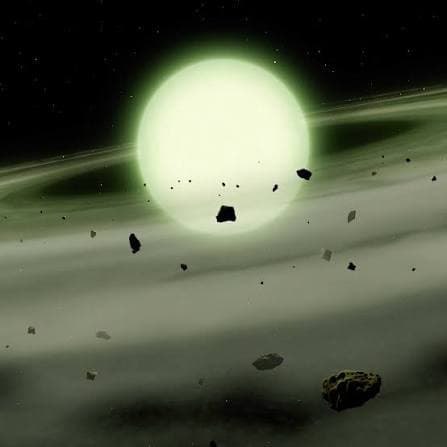
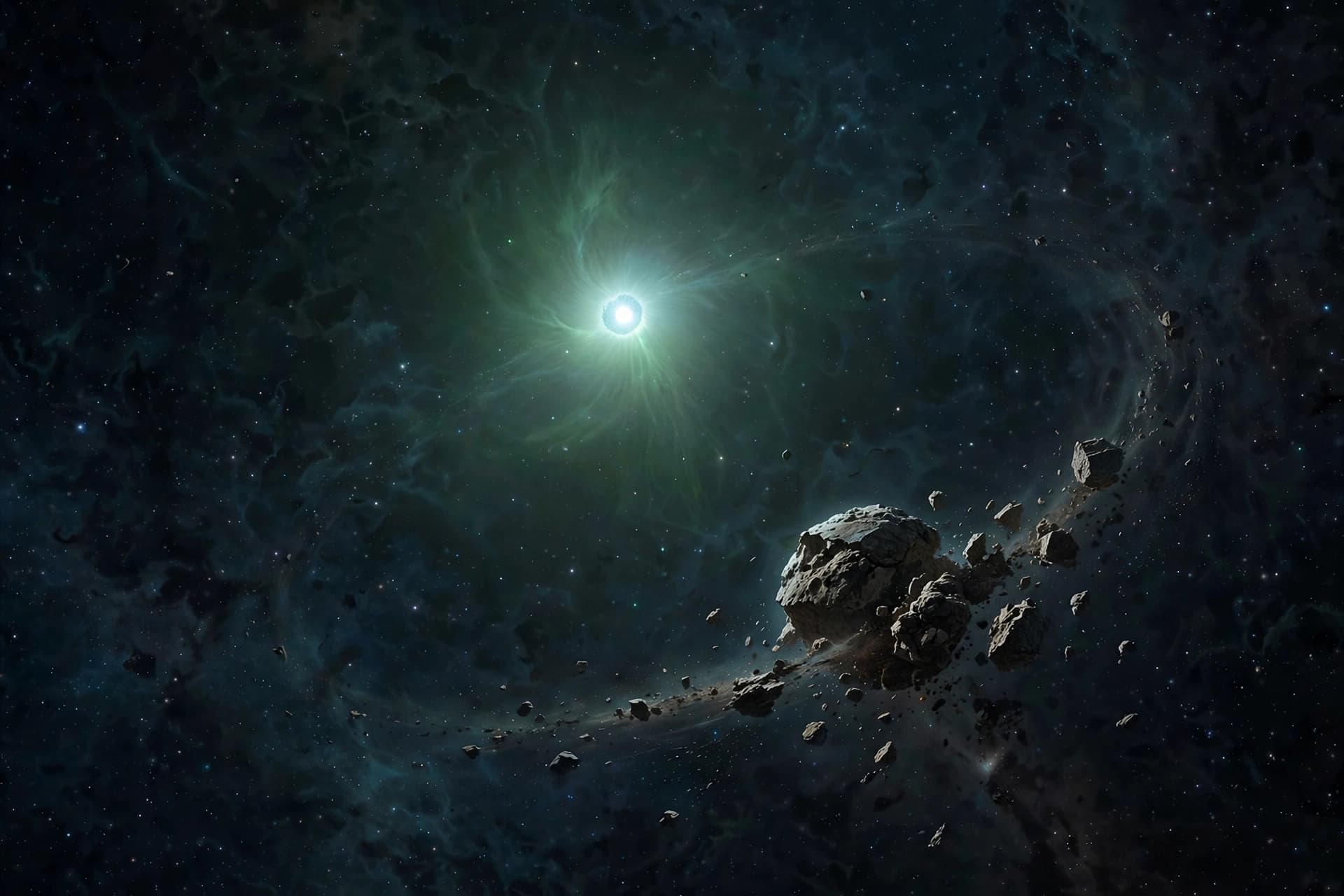
AI Image Disclaimer Illustrations were produced with AI and serve as conceptual depictions.
Source Check (Credible Media & Journals): NASA American Meteor Society Sky & Telescope Space.com EarthSky
Published by Banx Network. This article is part of the Banx decentralized media programme, powered by the BXE token on the XRP Ledger.