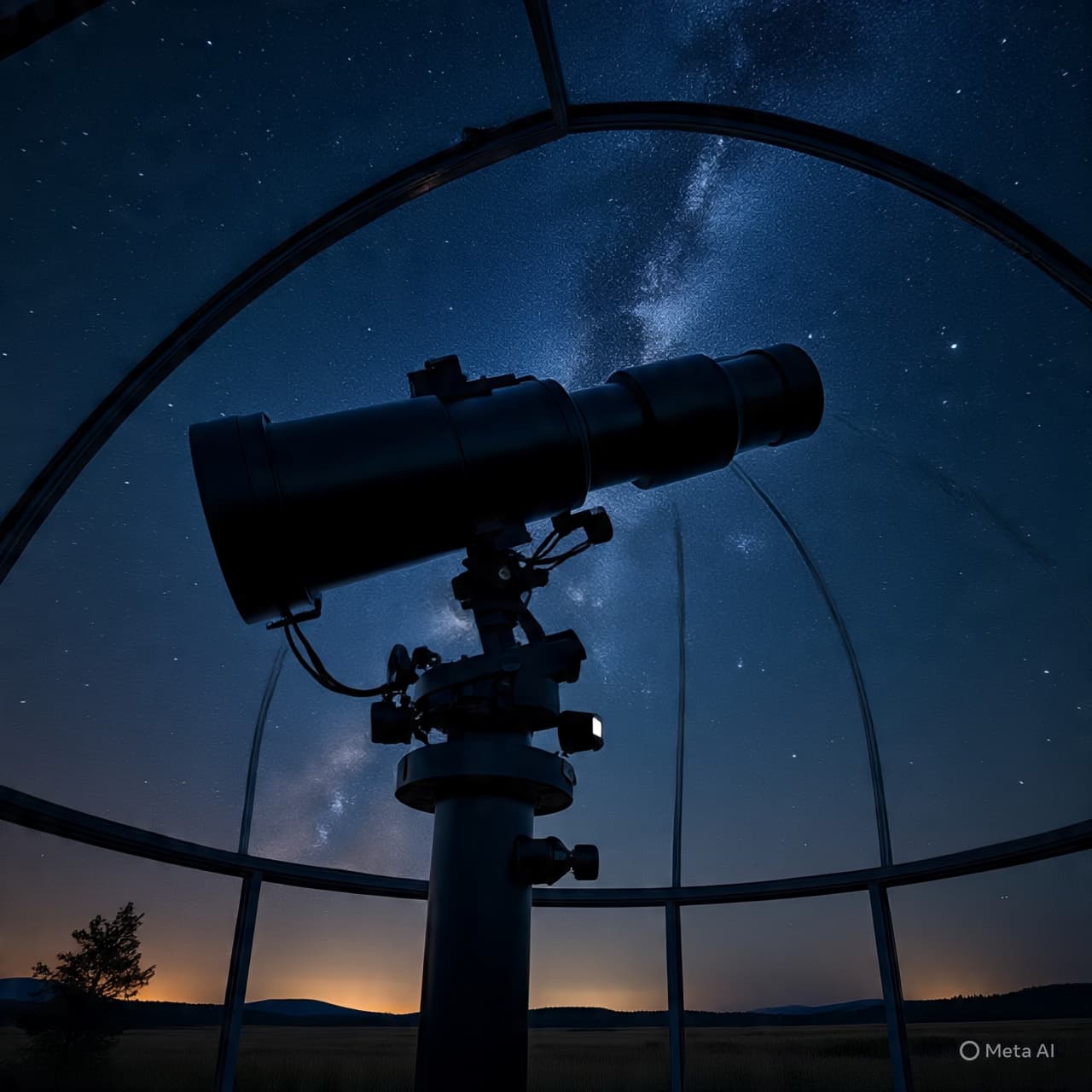
There are moments in human history when our gaze stretches just a little further, and in those long reaches we glimpse something larger than ourselves. On a quiet night in the Atacama desert, beneath skies older than any city, a camera the size of a humble car lifts its digital eye to the cosmos. As light that began its journey billions of years ago spills onto its vast mosaic of sensors, we find not just images — but whispers of questions we once only dared to ask.
There is a soft poetry to the way this instrument, installed within the steel embrace of the Vera C. Rubin Observatory in Chile, works. Its 3,200-megapixel “Legacy Survey of Space and Time” camera watches the southern sky night after night, quietly composing an unfolding time-lapse of the cosmos. Each exposure — wide enough to capture 45 times the moon’s breadth in one frame — is a line in a story we are learning to read. Through these early test images, galaxies weaving through the dark, nebulae blooming in color, and stars tracing patterns in the vast night are not just seen, but felt.
This remarkable eye has begun sending out alerts that resemble a ticking heartbeat of the universe itself. On a single night last February, astronomers received around 800,000 notices of change in the sky — new asteroids crossing paths, supernovae flaring into temporary brilliance, and stars shifting in their ancient rhythms. These notifications are more than numbers; they are invitations to wonder, prompts to examine phenomena that, a few years ago, could only be imagined.
The real value of this camera — and the observatory that houses it — lies in continuity. Rather than focusing on a single corner of the sky, it watches the whole, over and over again. By capturing the night like an ongoing inner-soul reflection, scientists hope to trace the subtle influences of dark matter and dark energy, phenomena that shape the cosmic tapestry while remaining unseen. Slowly, patiently, this instrument maps motions and mutations in the sky as if reading the chapters of a universe in motion.
In this grand and deliberate endeavor, the pace of discovery is both brisk and gentle — a paradox befitting the cosmos itself. The images and alerts now emerging are early verses of what will become an epic chronicle, one that may redefine our understanding of not just what is out there, but how it changes, grows, and evolves. There is no abrupt judgment in these revelations — only the gradual illumination of truth. And in the soft glow of these celestial portraits, we find both reassurance and new frontiers of curiosity.
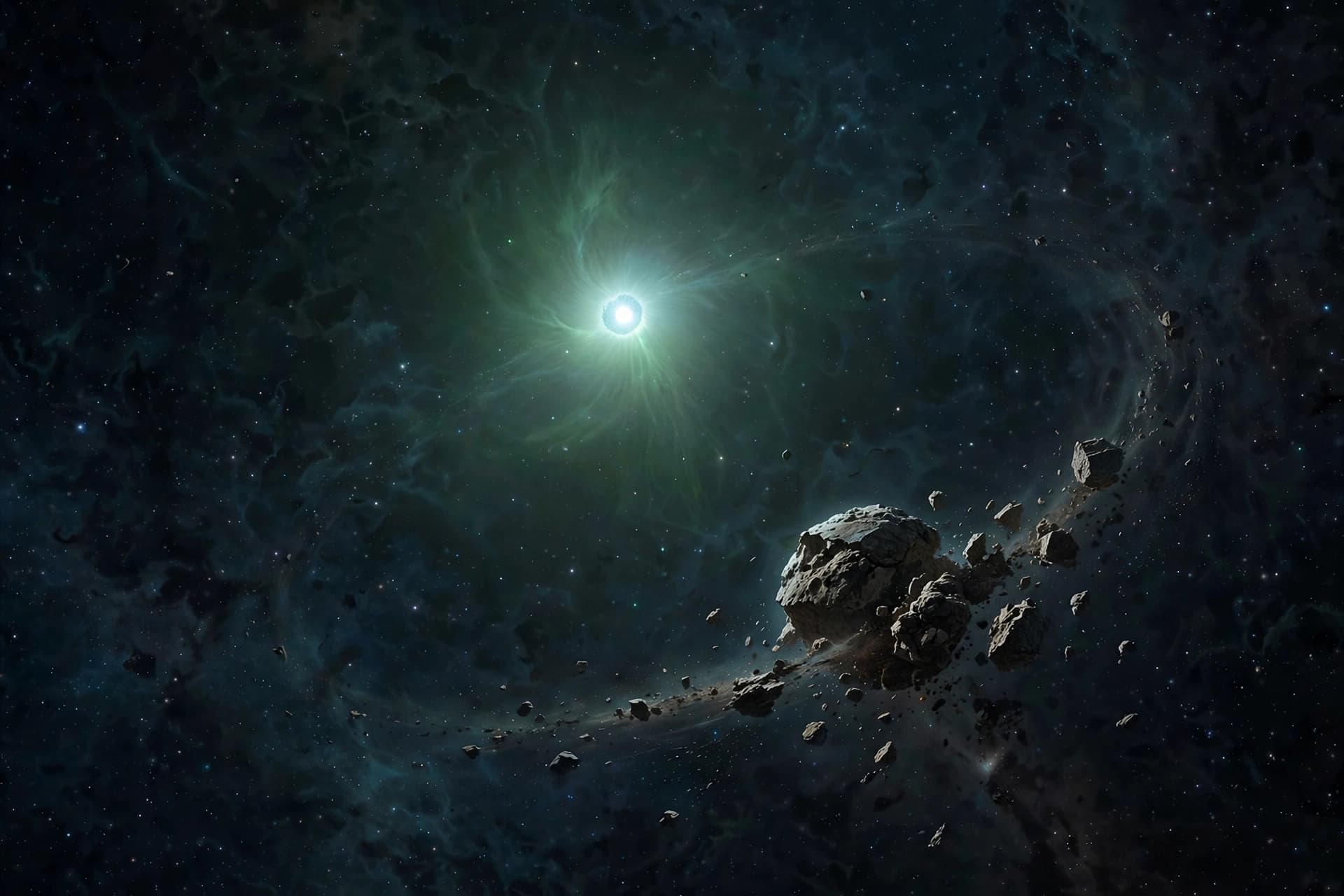
AI IMAGE DISCLAIMER Visuals are created with AI tools and are not real photographs, intended for conceptual illustration.
SOURCES BBC Sky at Night Magazine; Scientific American; Nature; CNRS; Yahoo News
Published by Banx Network. This article is part of the Banx decentralized media programme, powered by the BXE token on the XRP Ledger.