
There are moments in history when the night sky seems heavier than usual — not because of clouds, but because of decisions made beneath it. In the quiet hours, when most of the world sleeps, distant rumblings can carry meanings far beyond their sound. The Middle East, a region long acquainted with fragile balances and unfinished conversations, now finds itself once again standing at the edge of uncertainty.
Israel’s military announced that it struck a site inside Iran which it described as being connected to efforts aimed at developing nuclear weapons capabilities. The statement framed the operation as a preventive action, intended to disrupt what Israeli officials characterize as an emerging threat. Details regarding the scale of the strike and the extent of damage remain limited, as is often the case in the early hours following such developments.
Iran has consistently maintained that its nuclear program is peaceful, insisting that its activities are for civilian energy and research purposes. The accusation that facilities are linked to weapons development has long been a point of tension between Tehran and Western governments, particularly Israel, which has repeatedly stated it will not allow Iran to acquire nuclear weapons capability.
This latest strike unfolds against a backdrop shaped by years of diplomacy, mistrust, and intermittent confrontation. The unraveling of the 2015 nuclear agreement — formally known as the — altered the trajectory of negotiations and inspections. Since then, uranium enrichment levels, sanctions, and regional proxy conflicts have contributed to a climate of layered suspicion.
Israel has historically demonstrated its willingness to act unilaterally when it perceives existential threats, citing past operations beyond its borders as precedent. Iranian leaders, for their part, have warned that any direct attack on their territory would invite consequences. Between these firm positions lies a delicate regional equation involving neighboring states, global powers, and energy markets already sensitive to instability.
International observers are now watching closely for signals — not only from Tehran and Jerusalem, but from Washington, European capitals, and Gulf states. Diplomatic channels, whether public or quiet, may prove as consequential in the coming days as any military maneuver. Markets respond quickly to uncertainty, but political responses often move with greater calculation.
For civilians across the region, such developments are measured less in strategic language and more in lived experience. Airspace restrictions, security alerts, and rising tensions shape daily routines in subtle but tangible ways. The broader question — whether this action marks a contained episode or the opening of a wider confrontation — remains unanswered.
As statements continue to emerge and assessments evolve, the world is left to interpret not only what happened, but what it signals. In times like these, clarity often arrives slowly, carried by official confirmations, diplomatic efforts, and the steady work of verification.
For now, the strike stands as a reminder of how swiftly events can shift in a region where history is never far from the present. Whether this moment becomes a turning point or a passing flare depends largely on the choices made in its aftermath.
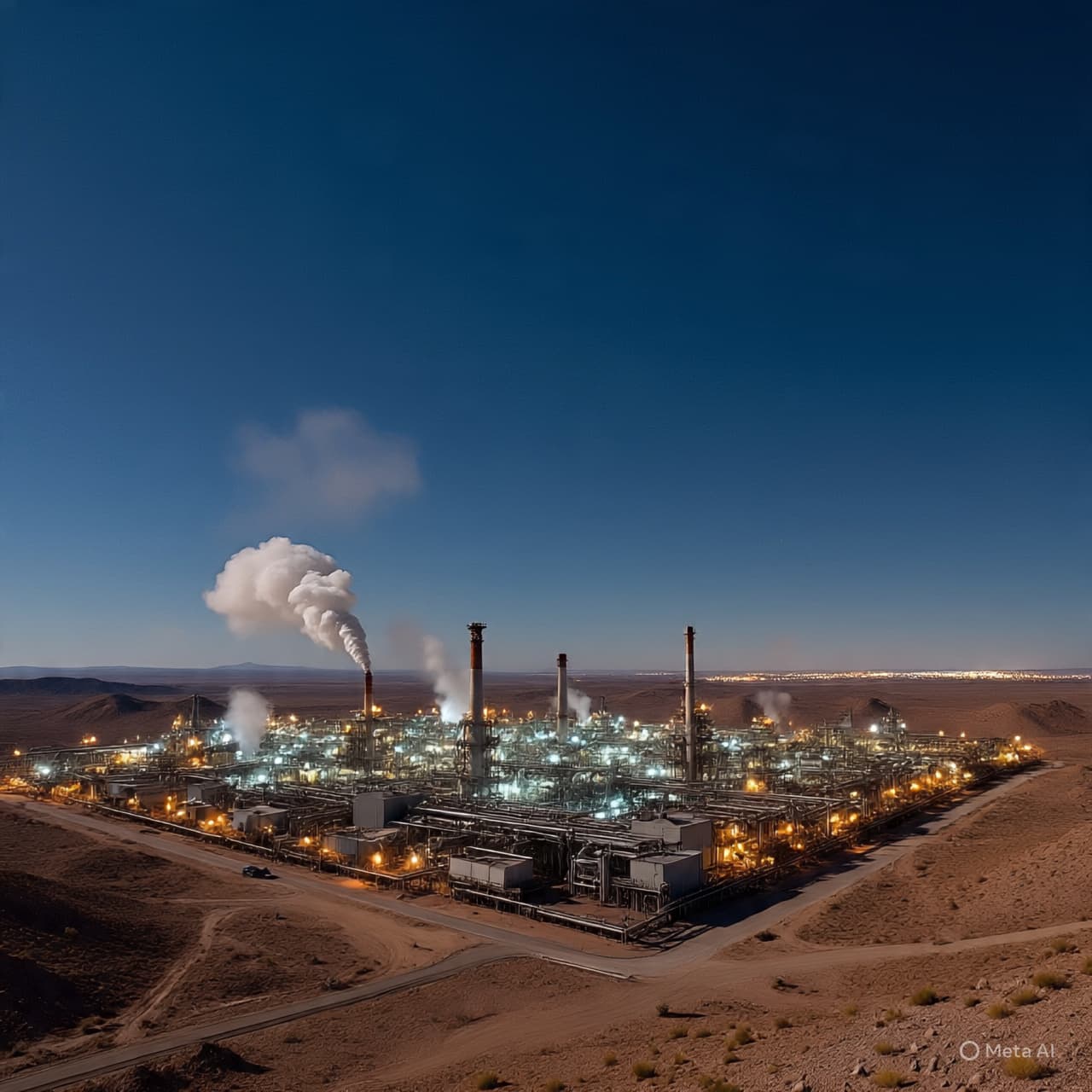
AI IMAGE DISCLAIMER Visuals are created with AI tools and are not real photographs.
SOURCES Reuters Associated Press BBC News Al Jazeera The New York Times
Published by Banx Network. This article is part of the Banx decentralized media programme, powered by the BXE token on the XRP Ledger.


