
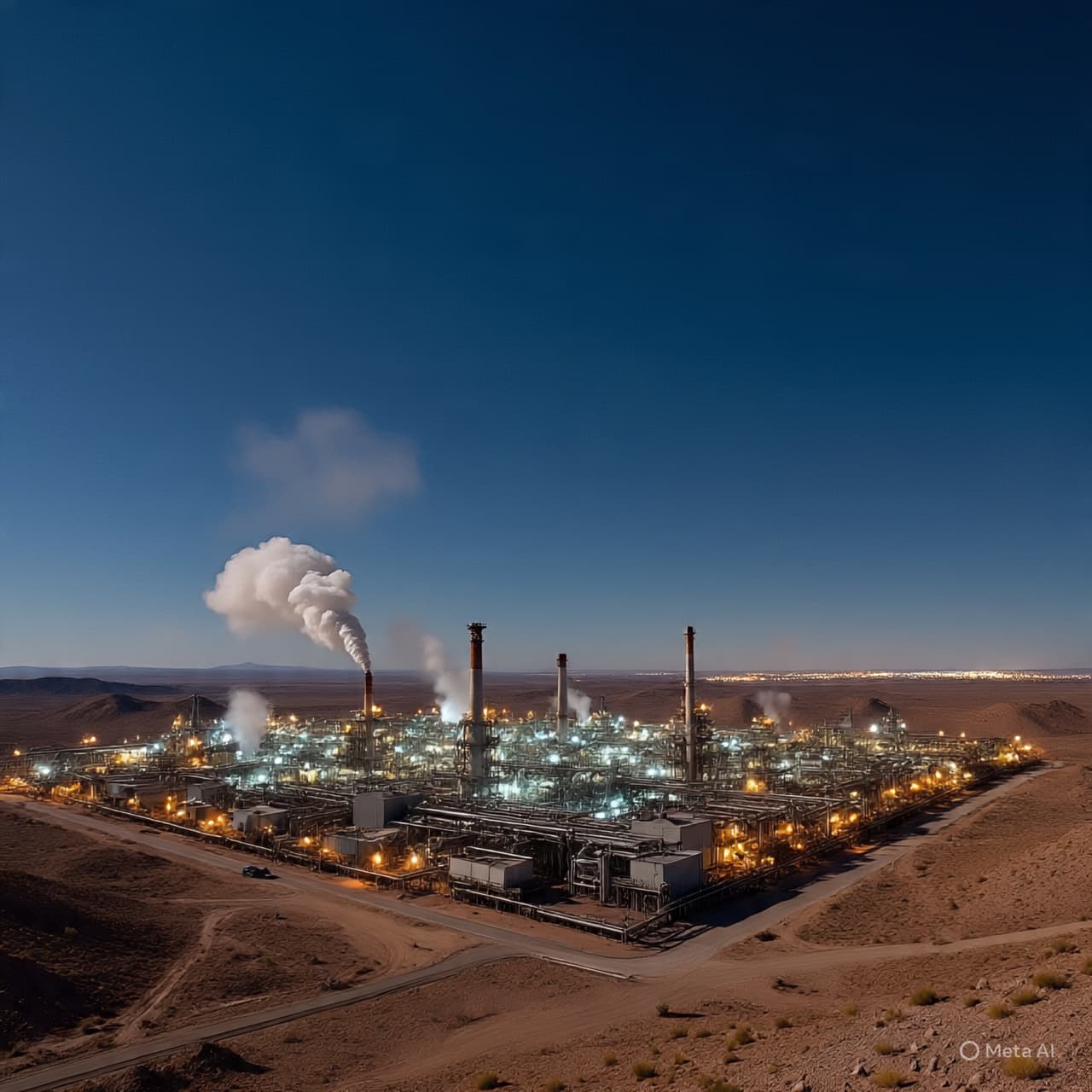
Key Highlights
- Israel conducted a military strike inside Iran targeting nuclear development sites.
- Iran insists its nuclear program is peaceful, heightening tensions.
- The strike raises concerns about regional stability and potential retaliation.
Israel’s military has confirmed a significant strike on a site within Iran, which it claims is linked to the development of nuclear weapons capabilities. This operation, framed as a preventive measure, aims to disrupt what Israeli officials describe as an emerging threat. While details about the scale of the strike and the extent of damage remain sparse, the implications of this action reverberate throughout the region.
Iran has consistently asserted that its nuclear program is intended for peaceful purposes, focusing on civilian energy and research. The ongoing accusations from Israel and Western nations regarding the potential for weapons development have long strained relations between Tehran and its adversaries. Israel has made it clear that it will not tolerate Iran acquiring nuclear weapons, a stance that has led to heightened military tensions in the region.
This latest military action occurs against a backdrop of deteriorating diplomatic relations, particularly following the collapse of the 2015 nuclear agreement. The unraveling of this deal has led to increased uranium enrichment and a rise in sanctions, further complicating the already fraught dynamics between Iran and Western powers. The current geopolitical landscape is characterized by a web of mistrust, where each action is scrutinized for its potential to escalate into broader conflict.
Historically, Israel has demonstrated a readiness to act unilaterally when it perceives existential threats. Past operations beyond its borders serve as precedents for its current military strategy. Iranian leaders have responded with stern warnings, indicating that any direct attack on their territory would provoke significant consequences. This ongoing cycle of threats and military actions creates a precarious balance in the region, involving not only Iran and Israel but also neighboring states and global powers.
International observers are closely monitoring the situation, looking for signals from Tehran, Jerusalem, and key allies, including Washington and European capitals. The responses from these nations will be crucial in determining the next steps in this unfolding crisis. While markets may react swiftly to uncertainty, political responses often require more time and deliberation.
For civilians in the region, the ramifications of such military actions are felt in everyday life. Airspace restrictions, security alerts, and rising tensions alter daily routines, creating an atmosphere of anxiety and unpredictability. The broader implications of this strike raise critical questions: Is this a contained incident, or does it signal the beginning of a wider confrontation?
As the situation develops, clarity will emerge slowly through official statements, diplomatic negotiations, and ongoing assessments. For now, this military strike serves as a stark reminder of the volatility in a region where historical grievances and contemporary conflicts intersect. The future trajectory of this situation will depend heavily on the choices made by all parties involved in the aftermath of this significant event.
Published by Banx Network. This article is part of the Banx decentralized media programme, powered by the BXE token on the XRP Ledger.



