There are times in the year when the night sky feels less distant, when the quiet stretch above seems to open just a little wider. Milky Way season arrives in this spirit, inviting observers to look upward and rediscover a familiar yet ever-changing river of stars.
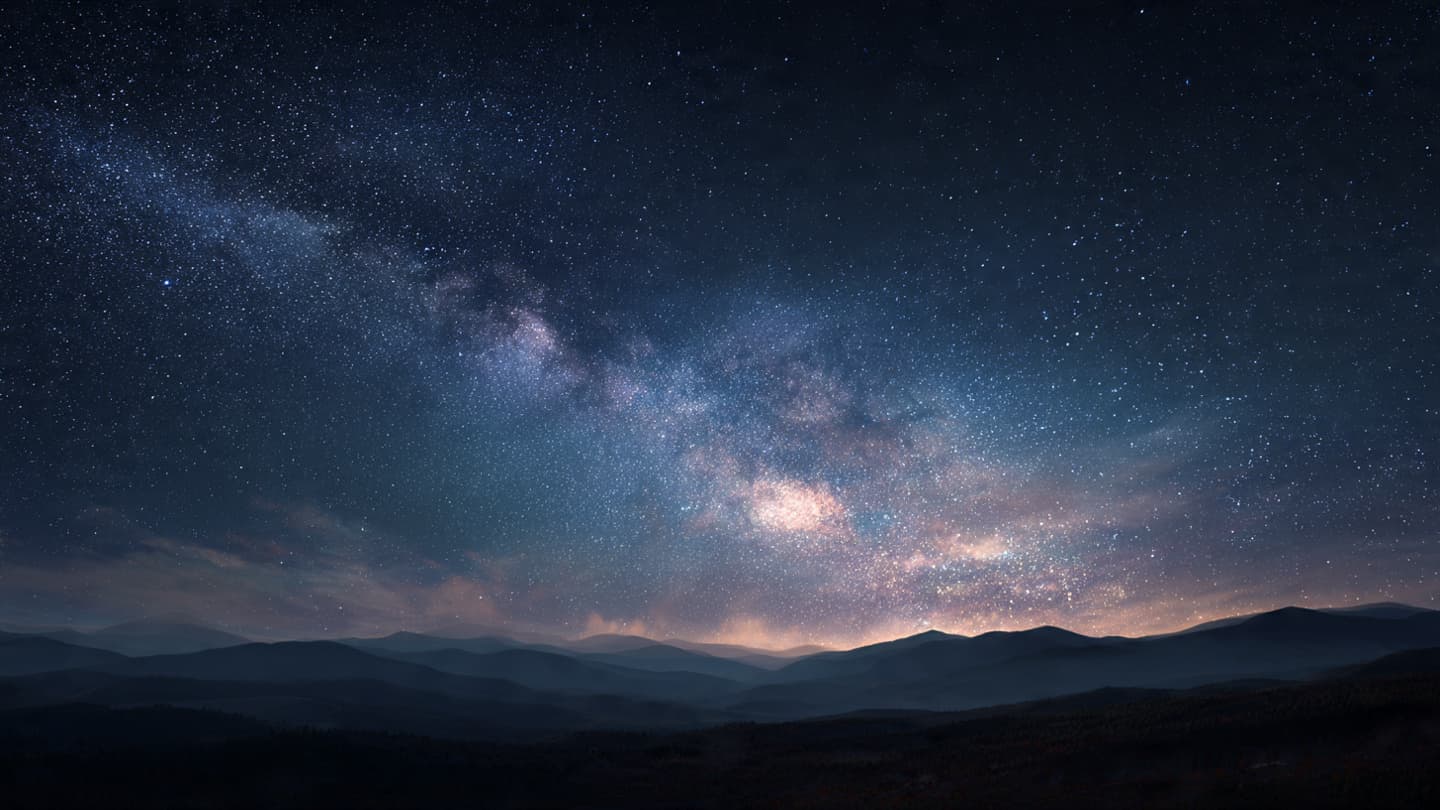
The Milky Way becomes more visible during certain months due to the Earth’s position relative to the galaxy’s core. In regions with minimal light pollution, the galactic center appears as a dense, luminous band stretching across the sky, offering one of the most striking natural sights available to the naked eye.
Photographers and astronomers alike take advantage of this period, capturing images that highlight the structure and depth of the galaxy. Advances in camera technology have made it easier to reveal details once invisible, from swirling dust lanes to clusters of distant stars.
The timing of visibility varies by location, but generally peaks during late spring through early autumn in many parts of the world. Clear skies and rural settings provide the best conditions, allowing the Milky Way to appear with greater contrast and clarity.
Beyond its visual appeal, the Milky Way serves as a reminder of the scale of the universe. The band seen from Earth represents just a small portion of a galaxy containing billions of stars, including our own Sun. Observing it can evoke both curiosity and perspective.
Communities of stargazers often share their images during this season, creating a collective record of how the galaxy appears from different vantage points. These shared experiences contribute to a broader appreciation of astronomy beyond scientific circles.
Environmental factors also play a role in visibility. Efforts to reduce light pollution have gained attention in recent years, emphasizing the importance of preserving dark skies for both scientific observation and public enjoyment.
For many, Milky Way season is not just about observation, but about connection—to nature, to science, and to a sense of place within a larger cosmos.
As the season unfolds, the Milky Way continues to offer a quiet invitation: to look up, to observe, and to reflect on the vastness that surrounds us.
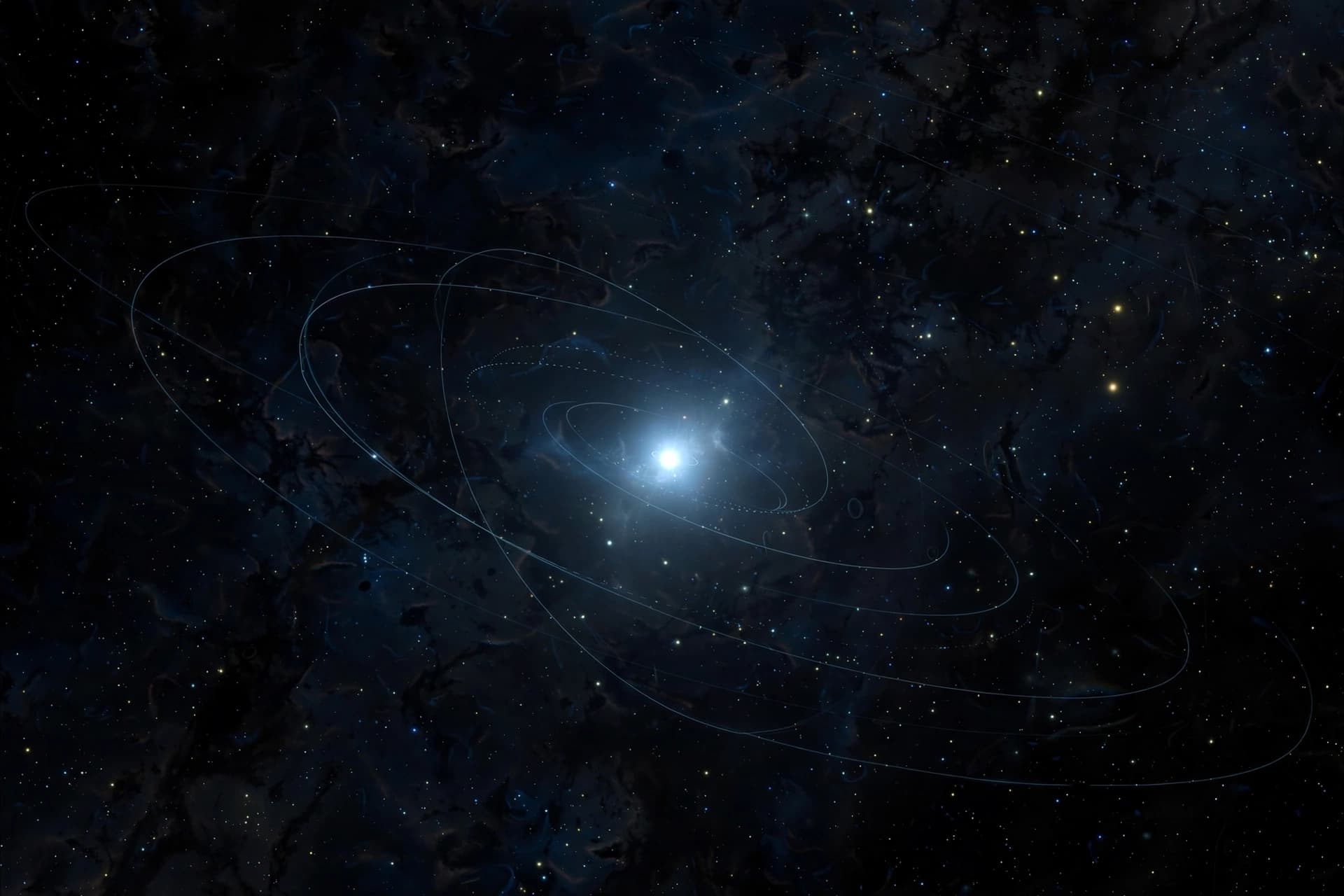
AI Image Disclaimer: Some images are AI-generated representations designed to complement real astrophotography and illustrate the Milky Way’s structure.
Sources: NASA, National Geographic, Space.com, Sky & Telescope, BBC Science
Published by Banx Network. This article is part of the Banx decentralized media programme, powered by the BXE token on the XRP Ledger.