

Key Highlights
- U.S. airstrikes in December 2025 targeted ISIS militants in northwest Nigeria.
- The operation was framed as a counterterrorism measure by U.S. and Nigerian officials.
- Analysts highlight the complex socio-economic factors fueling violence in Nigeria.
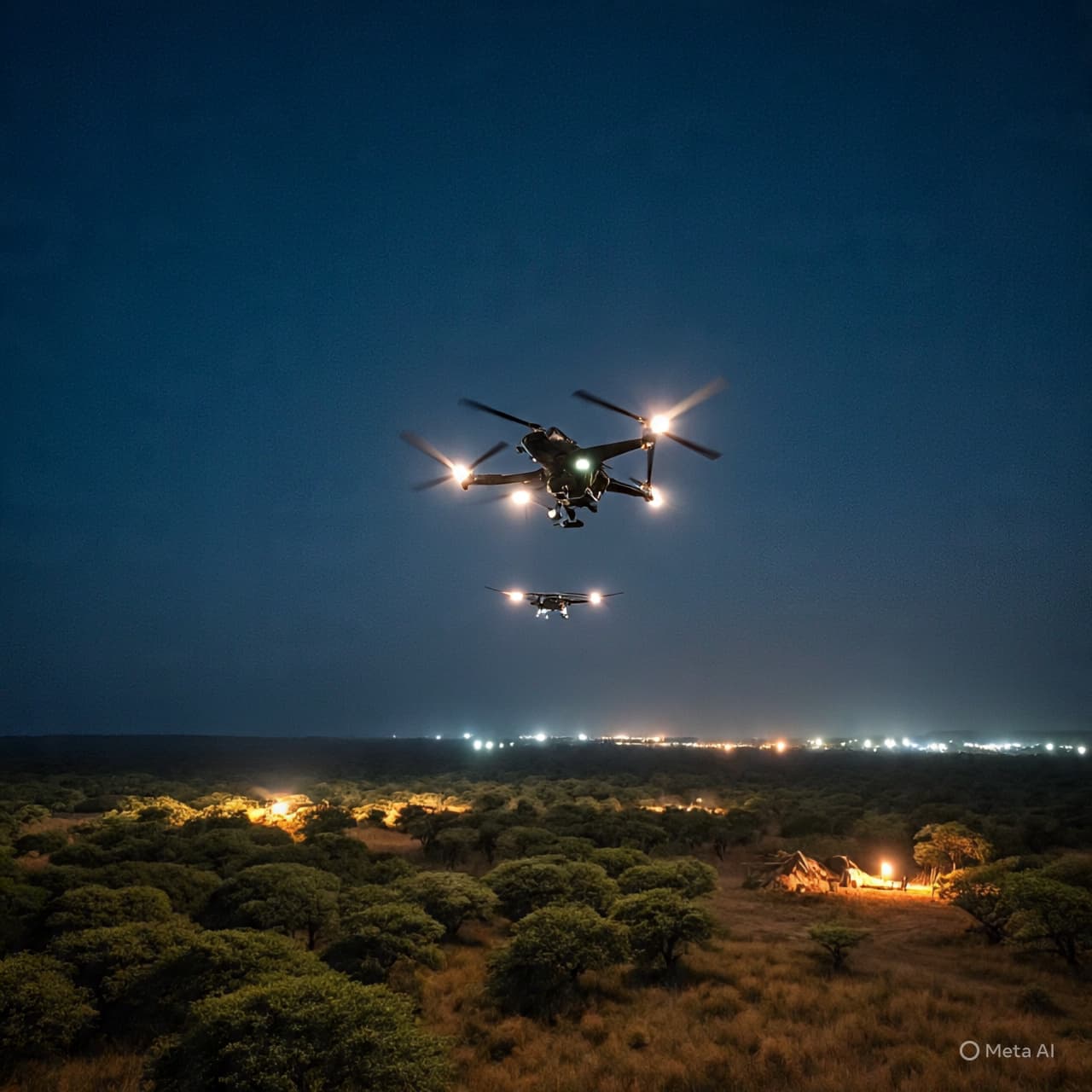
The night sky over northwest Nigeria glowed ominously in late December 2025, as U.S. airstrikes targeted suspected Islamic State militants. This military action, described by President Donald Trump as a response to attacks on Christians, underscores the persistent threat posed by extremist groups in the region. The strikes were part of a broader counterterrorism strategy, reflecting the U.S. commitment to combating transnational terrorism.
Nigeria has long been a battleground for various armed groups, including affiliates of the Islamic State and Boko Haram. These factions have exploited local grievances and socio-economic disparities, embedding themselves within communities across the country. The recent airstrikes highlight a renewed focus on ISIS, particularly as fighters migrate south from the Sahel, where instability has been on the rise.
U.S. officials emphasized that the airstrikes were coordinated with Nigerian authorities, who stressed the importance of maintaining sovereignty while addressing the shared threat of extremism. However, the reality on the ground is more complex. Violence in Nigeria transcends religious lines, affecting communities of all faiths. Analysts warn that the narrative of a purely religious conflict oversimplifies the intricate web of issues fueling unrest.
The airstrikes also reflect broader geopolitical concerns. As ISIS affiliates gain ground in Nigeria, international partners are increasingly wary of the potential for destabilization in a region already fraught with conflict. The U.S. operation signals a commitment to countering these threats, even as officials acknowledge that complete defeat of such groups remains elusive.
In Nigeria, the government has welcomed international support but insists on the need to protect civilian lives and maintain control over its defense strategies. Some Nigerian leaders are calling for expanded military operations against entrenched insurgent strongholds, indicating a shift in the dialogue between domestic priorities and international cooperation.
As the sun rises over the Sokoto River, the implications of the airstrikes will resonate throughout local communities. While the focus may be on geopolitical strategies, the deeper narrative is rooted in the daily struggles of Nigerians seeking peace amid ongoing violence and uncertainty. The situation remains fluid, and the international community will be watching closely as developments unfold in this critical region.
Published by Banx Network. This article is part of the Banx decentralized media programme, powered by the BXE token on the XRP Ledger.




