There are moments when the night sky seems to pause, offering a quiet invitation to look upward. The full moon, steady and familiar, has long served as a gentle reminder of cycles that continue regardless of the pace of daily life.
May’s first full moon is approaching, and skywatchers are preparing for a familiar yet always captivating event. Astronomers note that the full moon will reach its peak illumination at a specific time, though it will appear nearly full for several nights surrounding that moment.
The full moon occurs when Earth sits between the sun and the moon, allowing sunlight to fully illuminate the lunar surface visible from Earth. This alignment creates the bright, round appearance that has been observed and celebrated across cultures for centuries.
While the exact timing of the full moon varies by time zone, observers are generally encouraged to look to the sky shortly after sunset, when the moon rises and can appear especially large near the horizon due to an optical effect often called the “moon illusion.”
Weather conditions will play an important role in visibility. Clear skies provide the best opportunity to observe details on the moon’s surface, including craters and darker plains known as maria.
Astronomers also note that full moons often carry traditional names tied to seasonal changes. These names, rooted in various cultural traditions, reflect the rhythms of agriculture and nature.
For many, the full moon offers more than scientific interest. It provides a moment of reflection, a shared experience that connects observers across different places and times.
Modern technology has made it easier than ever to track celestial events, with apps and observatories offering precise timing and viewing tips.
As the full moon rises once again, it offers a simple opportunity to pause, look up, and observe a familiar presence in the night sky.
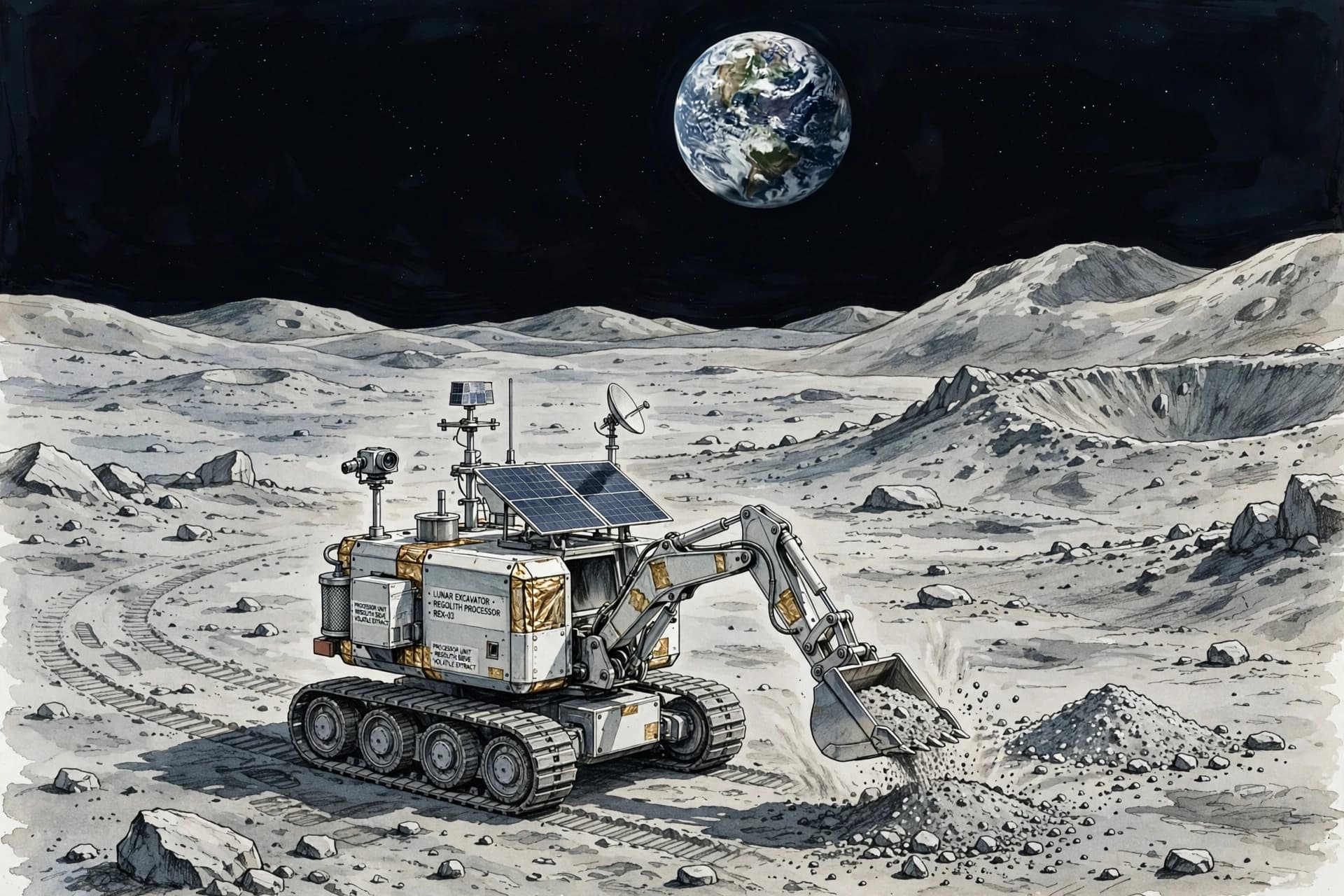
AI Image Disclaimer: Some visuals of the moon in this article are AI-generated for illustrative purposes.
Sources: NASA, Space.com, BBC Sky at Night, The Guardian
Published by Banx Network. This article is part of the Banx decentralized media programme, powered by the BXE token on the XRP Ledger.