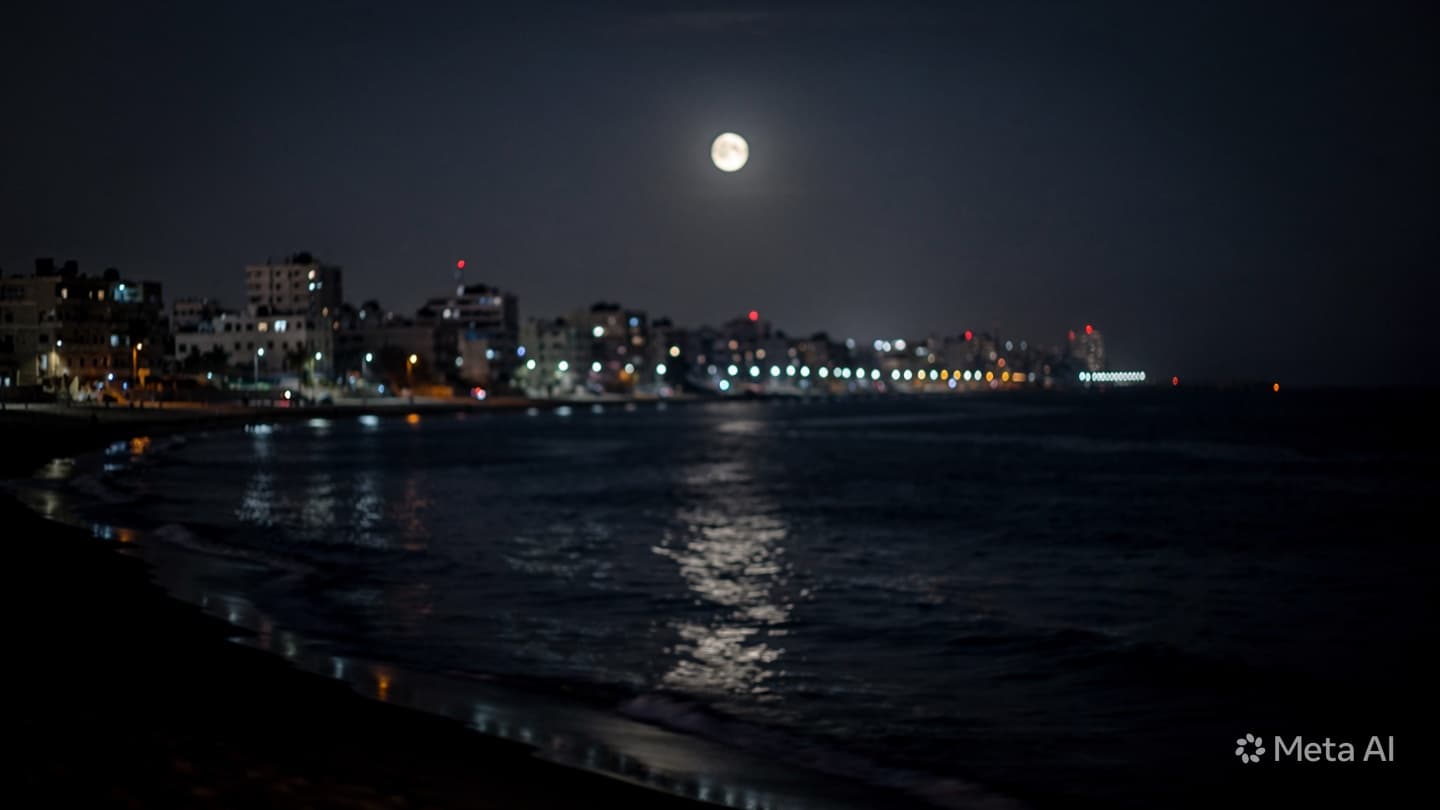
The night in Gaza is rarely silent. It is a space defined by the persistent, low-frequency hum of a conflict that has long outgrown its own borders, leaving those within it to navigate a reality where safety is not a condition, but a fleeting, elusive exception. In the early hours of May 30, 2026, the quiet was once again disrupted by the sharp, undeniable sound of skirmish. For the families huddled in the shadows of the coastal strip, this is the rhythm of existence—a cycle of events that, while they may not always reach the front page of the world’s newspapers, define the very boundaries of their lives.
At the local hospital, the confirmation of two more deaths arrives not as a shock, but as a deeply familiar tragedy. The arrival of the bodies, the grief of the families, and the hurried work of the medical staff are scenes played out with a frequency that renders them a part of the local landscape. There is a profound, communal ache in these losses, a weight that is felt not just by those who knew the victims, but by a society that has become conditioned to the arrival of such news. It is a testament to the endurance of the human spirit that, even in the midst of this, the community continues to function.
To understand the tragedy is to look past the political discourse that often surrounds these events. The skirmishes that break the night are, for the residents, tangible threats to their immediate survival. Whether the result of an exchange of fire or the sudden, precise strike of a drone, the outcome is invariably the same: the erasure of a life and the tearing of a family structure. It is a process that relies on the resilience of a population that has spent years learning to live within the margins of a war that refuses to grant them an exit.
The medical facilities in Gaza serve as the final, fragile bastion of the society’s integrity. They are the places where the reality of the conflict is received, processed, and mourned. The doctors and nurses who staff these wards are the unsung witnesses to the human cost of the struggle, operating with a dedication that defies the shortages and the uncertainty of their own lives. Their presence is a silent, necessary act of protest—a refusal to allow the scale of the destruction to consume the humanity of those who suffer.
As the sun begins to rise over the Mediterranean, casting a pale, indifferent light across the rubble, the cycle of the day begins anew. For many, it is a day of assessment: checking the damage, searching for the missing, and attending to the rituals of burial. The international community, often represented by the distant, disembodied voices of aid organizations, continues to call for a cessation of the violence. Yet, for those on the ground, these calls feel increasingly like echoes in a canyon—distant, well-intentioned, and fundamentally disconnected from the immediacy of their reality.
There is a sense of weariness that clings to the Gaza coast, a fatigue that is as palpable as the salt in the air. It is not a weariness of spirit, but a exhaustion of the options. As the conflict continues to drift, the populations involved find themselves locked into a pattern of survival that feels increasingly permanent. The deaths of two more individuals, while seemingly small in the grand, statistical sweep of the war, are the foundational stones of a tragedy that continues to build, layer by layer, day by day.
Ultimately, the skirmishes of the night are a reminder of the fragility of peace in a place where it has been systematically dismantled. It leaves us with the quiet, nagging question of how much more the human spirit can endure before the pattern becomes the only reality left. As the day progresses and the world turns its gaze elsewhere, the people of Gaza remain, bound by the weight of their own history and the persistence of a struggle that knows no rest, even in the deepest hours of the night.
Two Palestinians were confirmed dead following overnight skirmishes in the Gaza Strip on May 30, 2026. Local hospital officials reported that the fatalities occurred during localized engagements between armed factions and security forces. The incidents, which took place amid the broader, ongoing instability in the enclave, highlight the continued failure of the lingering ceasefire to curb sporadic outbreaks of violence. No specific details on the identities of the deceased were immediately provided, though tensions remain high throughout the territory as residents continue to face severe humanitarian and security constraints.
Published by Banx Network. This article is part of the Banx decentralized media programme, powered by the BXE token on the XRP Ledger.