
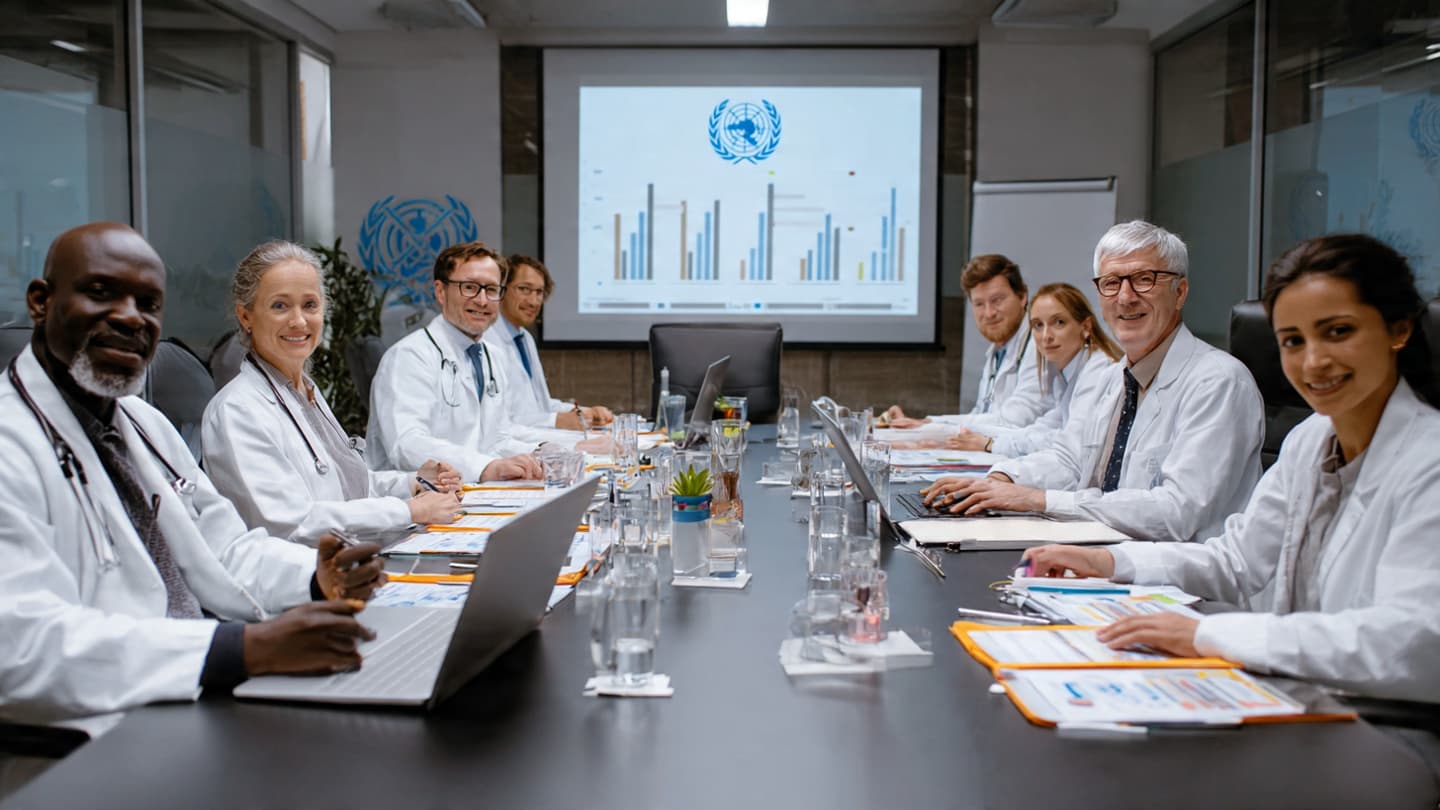
Some challenges arrive without regard for geography, language, or political boundaries. Health emergencies belong to that category. A disease emerging in one corner of the world can quickly become a concern for many others, reminding nations that public health is deeply interconnected. In response to this reality, France has reiterated its support for international efforts designed to strengthen preparedness for future health crises and improve global resilience against emerging threats.
The initiative reflects lessons learned from recent years, during which health systems around the world faced extraordinary pressures. Governments, international organizations, healthcare institutions, and scientific communities gained valuable experience regarding the importance of preparedness, coordination, and rapid response capabilities.
France has emphasized the need for stronger international cooperation in areas such as disease surveillance, information sharing, emergency response planning, and healthcare infrastructure development. These elements are increasingly viewed as essential foundations for effective preparedness.
Global health experts frequently note that prevention and preparation are often more effective than reaction alone. Early-warning systems can help identify emerging threats before they spread widely, while coordinated responses can improve the efficiency of public health measures. Investments in preparedness therefore serve both humanitarian and economic objectives.
Research and innovation also play a central role. Advances in medical technology, diagnostics, vaccines, and data analysis have transformed the way health challenges are addressed. International partnerships help accelerate scientific progress while ensuring that knowledge and expertise can be shared across borders.
Funding remains another important consideration. Effective preparedness requires resources that support healthcare systems, emergency planning, workforce development, and research initiatives. International collaboration often helps mobilize the financial support needed to strengthen these capabilities.
France’s support aligns with broader efforts undertaken by international organizations seeking to improve global readiness. Such initiatives recognize that health security depends not only on individual national systems but also on collective capacity and cooperation.
Observers point out that health preparedness extends beyond emergency response. Strong healthcare systems contribute to overall social and economic resilience, helping communities manage both routine and unexpected challenges. Investments made today can therefore produce benefits that extend far into the future.
The growing interconnectedness of the world reinforces the importance of shared responsibility. Travel, trade, and communication networks create opportunities for growth and exchange, but they also increase the need for coordinated approaches to health security. International cooperation remains one of the most effective tools available for addressing these realities.
As France continues to support global preparedness efforts, the message is ultimately one of foresight rather than fear. Preparing for future challenges is not a prediction of crisis but an investment in resilience. Through collaboration, innovation, and sustained commitment, nations seek to ensure that future emergencies can be met with greater readiness and confidence.
AI IMAGE DISCLAIMER
Visuals are created with AI tools and are not real photographs.
SOURCE CHECK
Reuters World Health Organization AFP France 24 United Nations
Published by Banx Network. This article is part of the Banx decentralized media programme, powered by the BXE token on the XRP Ledger.


