There are places on the map where geography quietly shapes the rhythm of the world. The Strait of Hormuz is one of those places — a narrow ribbon of water between mountains and desert, where oil tankers pass like slow-moving caravans across the sea.
For decades, the passage has served as a vital artery for global energy. Day after day, millions of barrels of oil move through this slender corridor, connecting the Gulf’s vast reserves with markets across Asia, Europe, and beyond. When it flows smoothly, the world barely notices. But when it falters, the tremor travels far beyond the horizon.
Now, that quiet rhythm has been interrupted.
Oil prices have climbed above $100 per barrel as the ongoing conflict involving Iran continues to disrupt shipping across the Strait of Hormuz, raising fears of prolonged supply shortages. The waterway — responsible for roughly one-fifth of the world’s oil trade — has seen shipping traffic fall sharply as security risks intensify.
In recent days, the global energy market has been reacting to a series of escalating developments. Reports of attacks on vessels in and around the Persian Gulf have made shipping companies increasingly cautious, while several operators have suspended or rerouted tanker movements through the region.
For traders and analysts, the concern is not only the immediate disruption but also the uncertainty surrounding how long it might last.
The conflict, which began with coordinated strikes on Iranian military facilities earlier this year, has gradually drawn attention to the strategic vulnerability of the Strait of Hormuz. At its narrowest point, the passage measures only about 21 miles across, yet it carries roughly 18 to 19 million barrels of oil per day — nearly 20 percent of global consumption.
When traffic slows through such a chokepoint, the effect on energy markets can be swift.
Brent crude prices have risen back above $100 a barrel, reflecting fears that a prolonged interruption could remove large volumes of oil from global supply. Analysts warn that if disruptions persist, the ripple effects could extend well beyond fuel markets, potentially influencing inflation and economic stability worldwide.
Amid the mounting tension, former U.S. President Donald Trump has been urging allied nations to help secure the waterway. His administration has called on several countries to deploy naval forces to patrol the strait and ensure the safe passage of commercial vessels.
At the same time, Trump has suggested that military pressure could eventually reopen the route and restore stability to energy markets. Yet the oil market appears cautious about assuming a swift resolution.
Part of that caution stems from the broader escalation surrounding Iran’s energy infrastructure. Recent U.S. airstrikes targeted military facilities on Kharg Island, a critical hub linked to Iran’s oil exports, although officials said energy installations themselves were not directly struck.
Even so, the symbolic importance of such locations has heightened market anxiety.
Energy traders often respond not only to actual supply disruptions but also to the possibility that infrastructure, pipelines, or shipping routes could become targets in an expanding conflict. In the case of the Strait of Hormuz, that possibility alone has been enough to lift prices.
The oil market, after all, is shaped as much by anticipation as by reality.
Each tanker that hesitates at the mouth of the Gulf, each insurance premium that rises for ships entering the region, adds another small layer of uncertainty. Together, those signals form the quiet language through which markets interpret risk.
For now, that language suggests caution.
Oil prices remain above $100 per barrel as shipping through the Strait of Hormuz continues to face disruptions linked to the Iran conflict. Governments and international partners are discussing additional security measures for commercial vessels, while energy traders watch closely for signs that maritime traffic through the strait may resume more normally in the coming days.
Until then, the narrow waterway between Iran and Oman remains one of the most closely watched passages on Earth — a reminder that sometimes the course of the global economy can hinge on the quiet currents of a single strait.
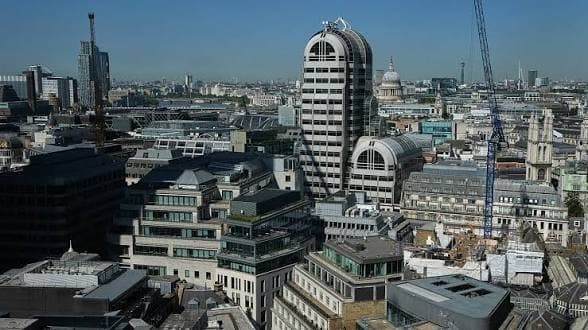
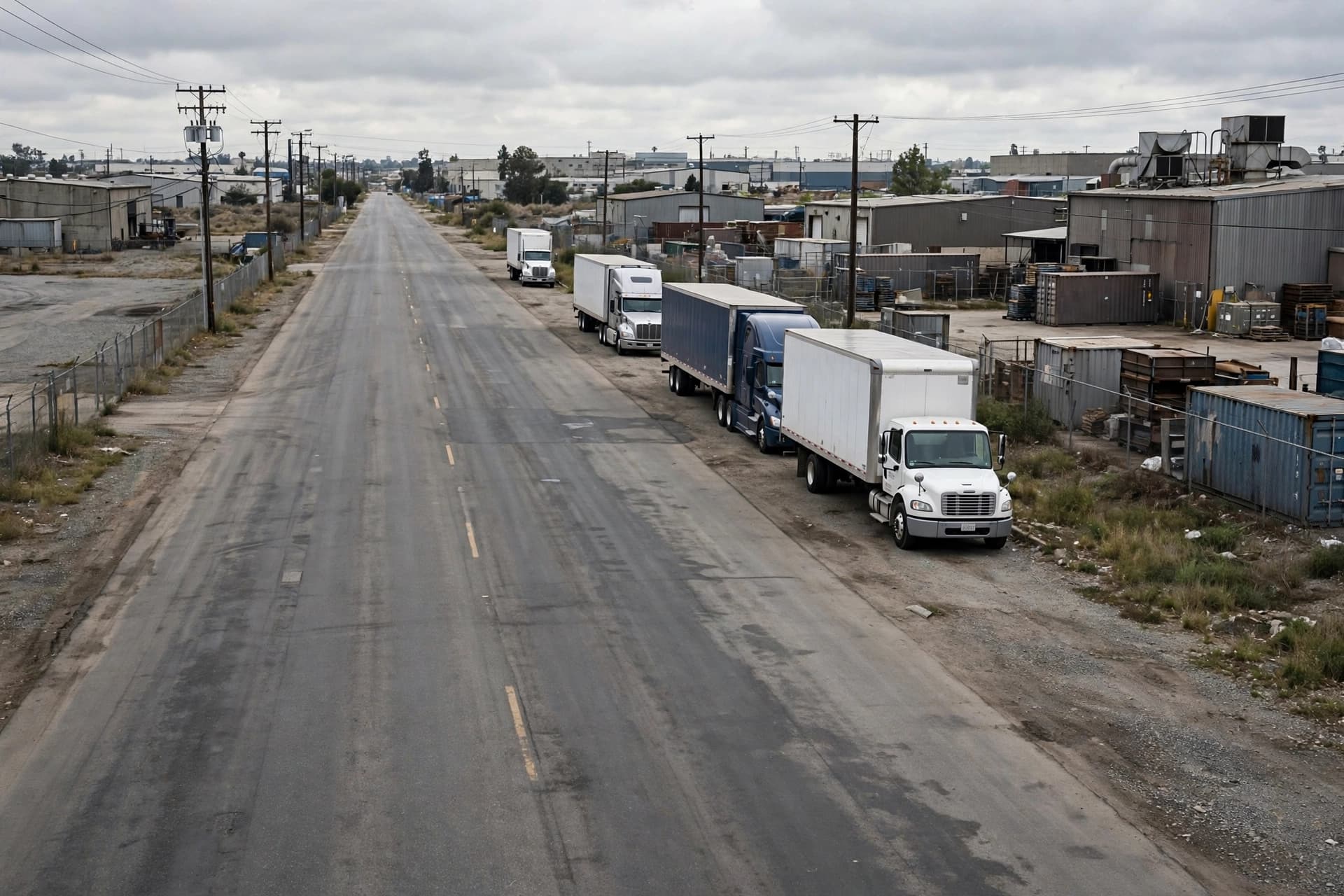
AI Image Disclaimer Illustrations were produced with AI and serve as conceptual depictions.
Sources Associated Press The Guardian CBS News Al Jazeera Reuters
Published by Banx Network. This article is part of the Banx decentralized media programme, powered by the BXE token on the XRP Ledger.