Rain has always carried two stories across Afghanistan. One is the quiet promise of nourishment, falling over fields that depend upon every season's generosity. The other emerges when the clouds linger too long, transforming narrow valleys into rushing currents and familiar roads into uncertain paths. In the mountains and plains alike, water can arrive as both blessing and burden, reminding communities of nature's enduring strength.
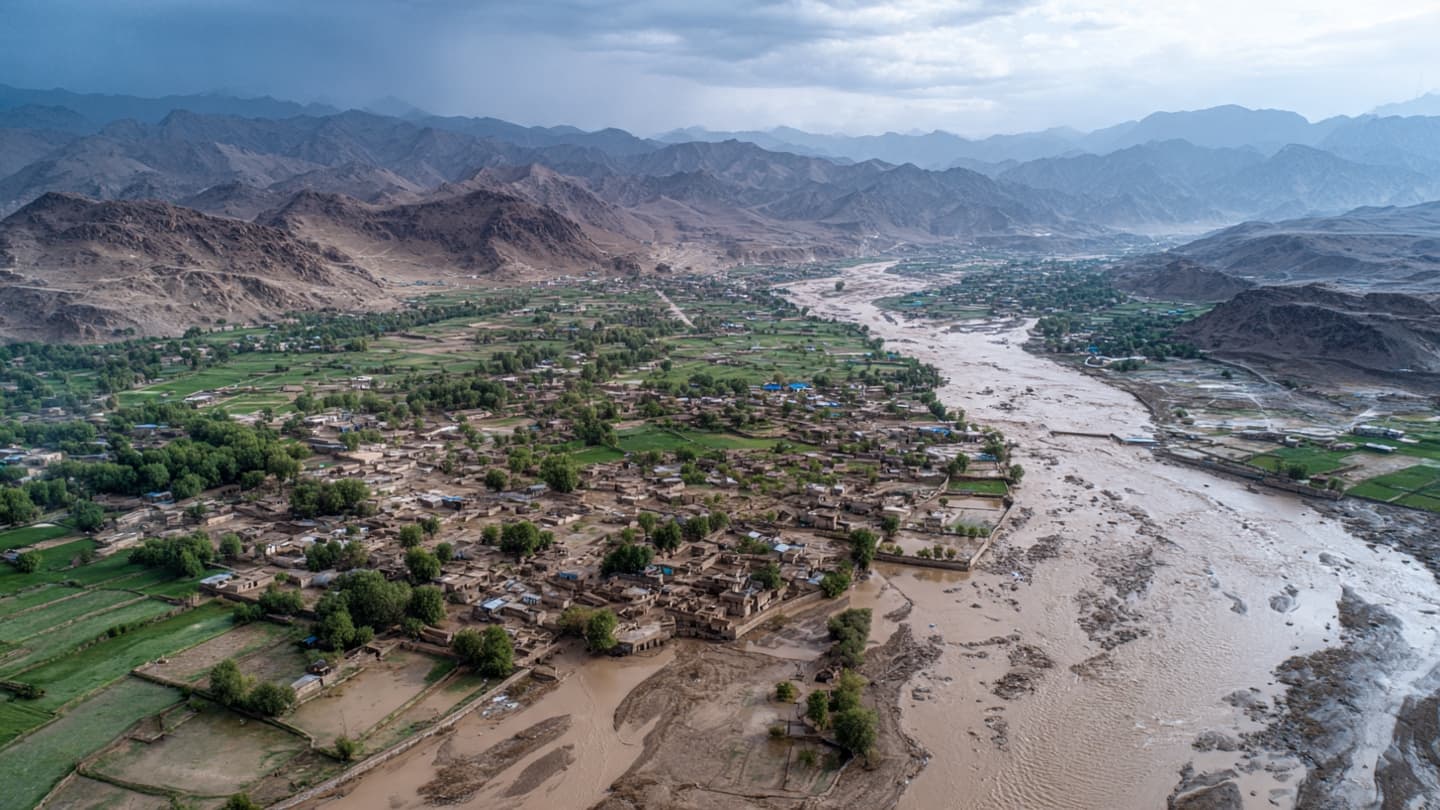
That delicate balance has once again shifted as severe flooding swept through parts of Afghanistan, leaving at least 20 people dead while more than 100 others remain missing. Triggered by intense rainfall, the floods surged through villages and rural districts, damaging homes, washing away roads, and complicating rescue efforts in areas already challenged by difficult terrain and limited infrastructure.
Emergency responders, local authorities, and community volunteers have been working to reach affected families despite damaged transportation routes and continuing hazardous conditions. Search operations remain underway, with teams looking for survivors while assessing communities that may still be isolated by floodwaters. Officials caution that casualty figures could rise as communication is restored and more remote locations become accessible.
For many Afghan families, the disaster arrives against a backdrop of existing hardship. Years of economic strain, recurring drought, and previous natural disasters have left many communities with limited resources to recover from another emergency. Homes built close to riverbanks or on vulnerable hillsides have proven especially susceptible to fast-moving floodwaters, leaving families with little time to seek safety.
Across the country's river valleys, the landscape has changed almost overnight. Fields prepared for cultivation now lie beneath layers of mud and debris, bridges have been damaged or swept away, and livestock—an essential source of livelihood for many rural households—has been lost in the rushing currents. Recovery will depend not only on emergency assistance but also on rebuilding the foundations of everyday life.
Humanitarian organizations are coordinating with local officials to deliver food, shelter, medical supplies, and clean drinking water to affected regions. Aid agencies have emphasized that access remains a significant challenge, particularly in mountainous districts where damaged roads and unstable ground continue to slow relief efforts. As weather conditions evolve, authorities remain alert to the possibility of additional flooding.
Beyond the immediate loss of life, disasters such as these reveal the quiet resilience of communities. Neighbors help neighbors recover belongings from damaged homes, volunteers search riverbanks for those still missing, and families gather in temporary shelters while waiting for news. These moments of solidarity often unfold away from headlines, yet they become essential threads in the fabric of recovery.
Meteorologists note that Afghanistan remains vulnerable to sudden flooding, particularly during periods of intense seasonal rainfall following prolonged dry conditions. Hardened ground absorbs less water, allowing heavy rain to run rapidly into rivers and streams. Such natural patterns, increasingly influenced by shifting climate conditions, continue to challenge communities across the region.
As the floodwaters gradually recede, they leave behind more than damaged buildings and altered landscapes. They leave stories of lives interrupted, families waiting for answers, and communities preparing to rebuild with determination despite profound loss. In the quiet that follows the storm, Afghanistan once again faces the enduring task of recovery, carried forward by resilience as steadily as its rivers continue their journey.
AI Image Disclaimer The accompanying visuals are AI-generated conceptual illustrations and are intended to represent the reported situation rather than actual photographs.
Sources Reuters Associated Press United Nations Office for the Coordination of Humanitarian Affairs (OCHA) International Federation of Red Cross and Red Crescent Societies (IFRC) Afghanistan National Disaster Management Authority (ANDMA)
Published by Banx Network. This article is part of the Banx decentralized media programme, powered by the BXE token on the XRP Ledger.