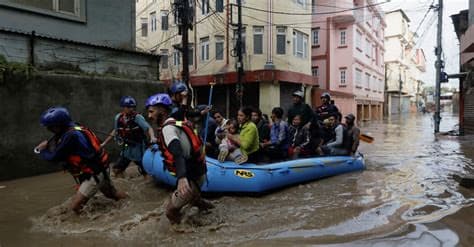
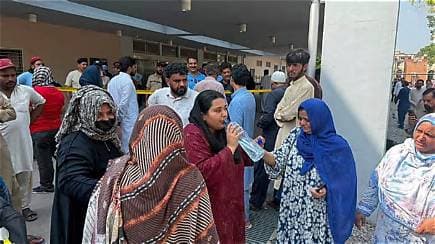
In the highlands of South Cotabato, the road is more than just a thoroughfare; it is a vital artery, a link between the isolated mountain communities and the wider world of trade and essential services. Yet, the 7.8-magnitude earthquake that shook the southern Philippines this morning effectively severed these connections. As the ground surged with tectonic violence, the mountainsides themselves began to move, sending massive landslides cascading across major highways and leaving remote villages momentarily stranded in the quiet aftermath.
The sight of a fractured road—a strip of pavement cracked and swallowed by the earth—is a sobering emblem of how quickly the infrastructure of human progress can be reclaimed by the landscape. For the people living in the high, verdant reaches of the province, the obstruction of these routes is not merely a logistical challenge; it is a sudden alteration of their access to healthcare, supplies, and the collective reach of the provincial government.
It is a quiet, contemplative process, assessing the damage that such a scale of motion creates. Responders tasked with clearing these paths find themselves navigating a terrain that remains inherently unstable, with aftershocks continuing to test the integrity of the slopes. The work is methodical, requiring a balance of urgency and caution, as every clearance of earth is a deliberate step toward restoring the connectivity that the earthquake so brusquely interrupted.
For the residents of these isolated villages, the silence that descends in the absence of road access is a unique, challenging experience. It is a time for communal resilience, for the gathering of resources, and for the slow, steady waiting while the outside world works to clear the way. The mountains, which offer such beauty and sustenance in times of peace, now demand a moment of patience from those they have temporarily hidden away.
Reflecting on the nature of this isolation, one must acknowledge the fragility of the paths we build through such dynamic environments. South Cotabato is a province defined by its rugged topography, a land where the beauty of the slopes is inextricably linked to the geological processes that constantly shape and reshape them. This event serves as a reminder that we are guests upon this terrain, building our lives in the margins of its ancient, slow-moving adjustments.
The recovery effort is a testament to the dedication of local authorities and the neighbors who have become each other's primary support. In the valley floors and the mountain passes, the collective effort to reach the cut-off populations is underway. It is a human response to an inhuman event, an act of restoration that prioritizes the welfare of the community above the mechanical difficulties of the work.
As the days progress, the highways will eventually be cleared, and the flow of life will return to its usual pace. But the memory of this day, of the earth rising to meet the sky and the road falling beneath the weight of the mountain, will remain. It is a moment that invites us to appreciate the vital importance of our connections and the quiet, persistent strength of those who live at the edge of the reachable world.
We continue to look toward the horizon, observing the progress of the clearing crews and the well-being of the villagers who are beginning their slow return to the rhythm of the everyday. It is a process of reconciling with the power of the landscape, acknowledging the risks that are inherent in the terrain, and honoring the resilience of the communities that continue to call these mountains home.
The Department of Public Works and Highways has reported that multiple major road networks in South Cotabato, including portions of the highway connecting T’Boli and General Santos, remain blocked due to massive landslides triggered by the 7.8-magnitude earthquake. These obstructions have left several rural communities temporarily isolated. Clearing operations are currently underway, though progress is hampered by the threat of ongoing aftershocks and the sheer volume of debris affecting the mountainous transport corridors.
Published by Banx Network. This article is part of the Banx decentralized media programme, powered by the BXE token on the XRP Ledger.