
Key Highlights
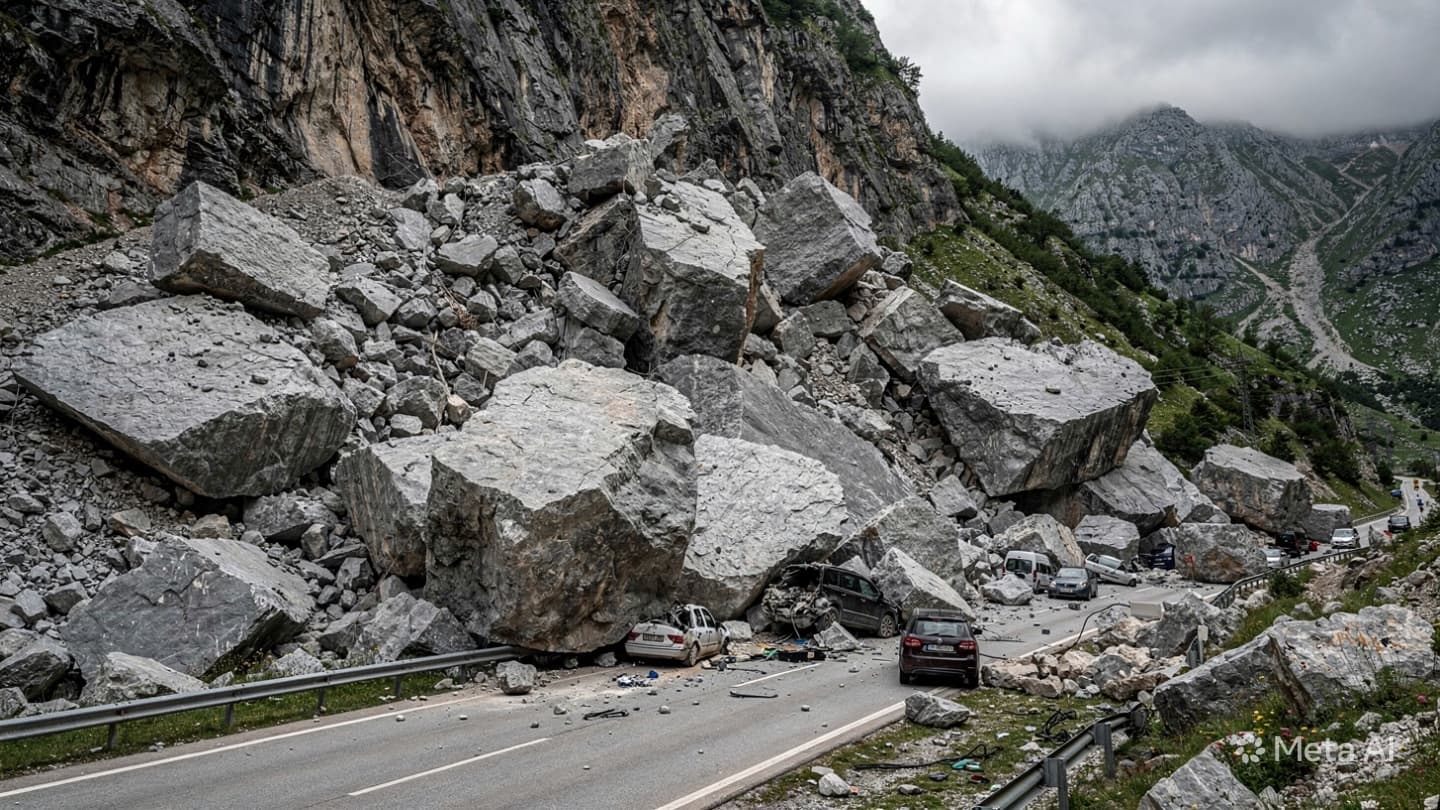
- Rockfall Incident:A sudden rockfall near Obzovica blocked the Podgorica-Cetinje highway.
- Traffic Disruption:The highway was closed for several hours, affecting regional connectivity.
- Emergency Response:Clearance crews worked to remove debris and restore traffic flow.
A recent rockfall on the Podgorica-Cetinje highway has caused significant disruption to traffic, highlighting the geological vulnerabilities of this vital route. The incident occurred near Obzovica, where a sudden failure of the rock face sent large boulders tumbling onto the roadway, effectively blocking access for vehicles. This unexpected event transformed a busy transit artery into a dead-end, forcing drivers to confront the unpredictable nature of the mountainous terrain.
The highway, which serves as a crucial link between Montenegro's capital and the historic town of Cetinje, was immediately impacted. The Auto-Moto Association of Montenegro confirmed that the rockfall halted traffic for several hours, with one commercial vehicle reported damaged in the incident. As vehicles piled up, the realization of a lengthy delay set in, leading to frustration among drivers who were left stranded.
In response to the emergency, clearance crews from Crnagoraputa were quickly mobilized. Heavy machinery was dispatched to the site to begin the delicate process of removing the debris. The operation required careful evaluation of the surrounding slopes to ensure safety, as the risk of further rockfalls remained a concern. Each boulder removed represented a negotiation with the unstable geology of the area, underscoring the challenges faced by emergency responders.
As the clearance efforts progressed, traffic monitors rerouted vehicles through the Sozina tunnel corridor. This sudden influx of traffic on secondary routes led to significant slowdowns, as heavy trucks and passenger cars converged on alternative pathways. The ripple effect of the rockfall was felt throughout the southern Montenegro transit network, illustrating the interconnectedness of regional transportation.
The economic implications of such disruptions extend beyond immediate delays. The temporary closure of the highway not only affected individual commuters but also had broader impacts on local businesses reliant on timely deliveries and transportation. The incident served as a stark reminder of the dependence of modern society on a limited number of transportation routes, particularly in regions characterized by challenging topography.
By evening, the efforts of the engineering teams began to yield results. The largest obstructions were systematically cleared, allowing for the gradual reopening of the highway to alternating traffic. This restoration of access marked a return to normalcy for the affected drivers, who could finally continue their journeys through the mountainous landscape. However, the event left a lingering reminder of the power of nature and the need for ongoing vigilance in maintaining the safety of Montenegro's roadways.
The incident at Obzovica highlights the importance of proactive measures in hillside stabilization and the implementation of preventative netting along critical transit corridors. As Montenegro continues to develop its infrastructure, ensuring the safety and reliability of its roadways remains a top priority for both authorities and the communities that depend on them.
Published by Banx Network. This article is part of the Banx decentralized media programme, powered by the BXE token on the XRP Ledger.



