
Key Highlights
- Landslide Impact:A significant landslide in Ermera has disrupted transport routes.
- Community Isolation:Residents face isolation as roads are rendered impassable.
- Economic Threat:Smallholder coffee farmers are at risk of losing their harvests.
The high, green hills of Ermera, known for their mist-shrouded coffee plantations and ancient terraced landscapes, have recently faced a devastating landslide. This natural disaster has not only disrupted the picturesque scenery but has also severely impacted the lives of thousands of families who depend on these lands for their livelihood. The region, which typically welcomes the annual monsoon rains as a source of renewal, has experienced unprecedented downpours that have destabilized the very foundations of its mountain infrastructure.
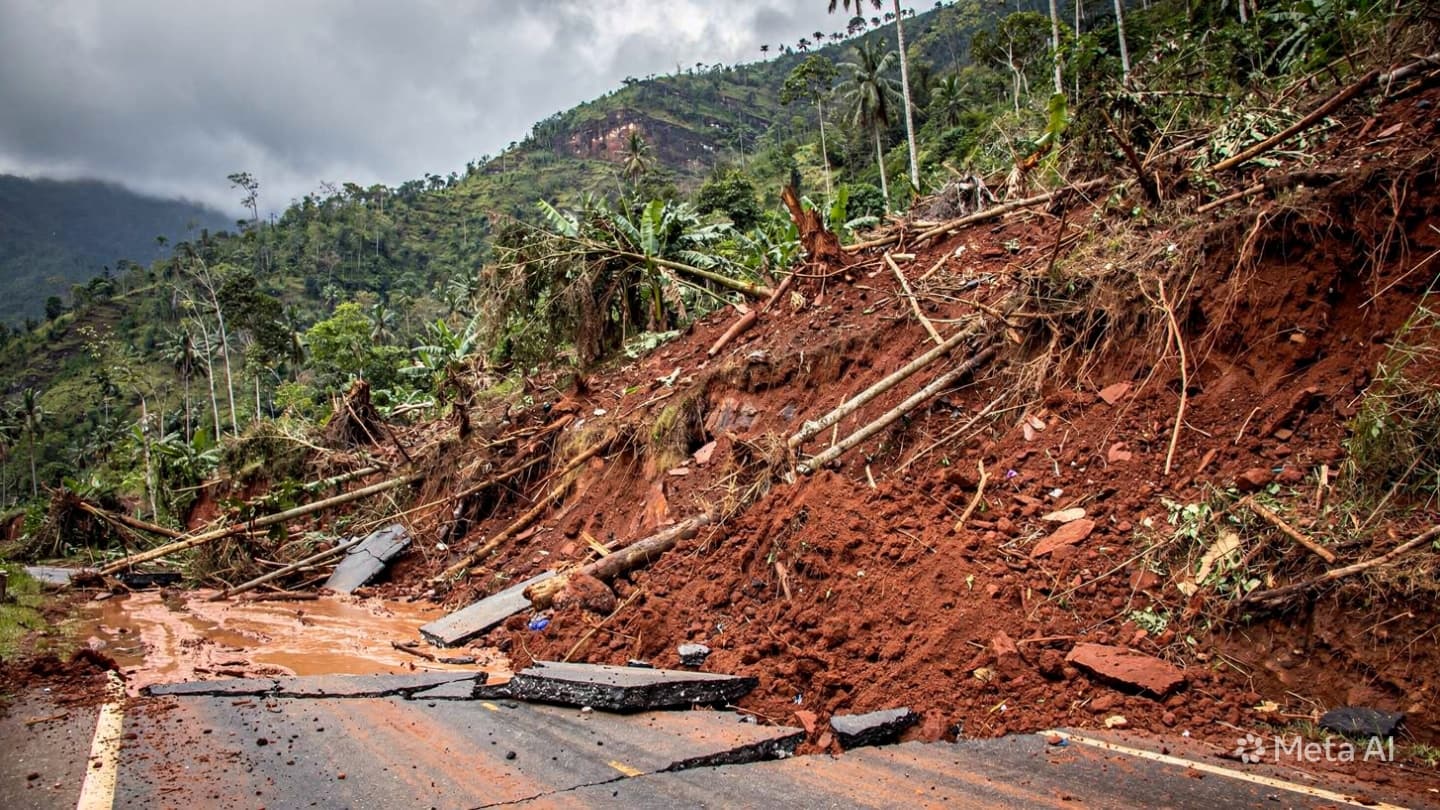
In the wake of several days of relentless rain, the steep slopes of Ermera absorbed an overwhelming amount of water, leading to a catastrophic landslide. A massive section of a prominent ridge collapsed, cascading into the valley below with a force that obliterated decades of careful cultivation and human effort. The immediate aftermath revealed a stark reality for the residents: the narrow, winding asphalt roads that connect their high-altitude villages to coastal markets were severely damaged, with sections completely sheared off and others buried under heavy debris.
The landslide's primary impact was felt in the isolation of the Ermera communities. With the roads impassable, the transport of agricultural goods, medical supplies, and daily commerce came to a halt. Families awoke to a new reality of disconnection, their access to essential services and markets abruptly severed. The atmosphere in the villages shifted to one of quiet concern as residents grappled with the extent of their sudden isolation.
Emergency assessment teams from national infrastructure ministries were dispatched to the slide zone, but their efforts were hindered by ongoing rain and secondary earth movements. Engineers surveying the damage recognized that restoring the area would require not just clearing debris but a complete rebuilding of the mountain supports. This daunting task is expected to take months, leaving the community in a precarious situation.
The economic consequences of the landslide are particularly dire for smallholder coffee farmers, who rely on timely transport to prevent their harvests from spoiling. With the supply chain disrupted, the livelihoods of many families are at risk. In response, community members have begun exploring alternative footpaths over the ridges, demonstrating resilience in the face of adversity.
As local youth and volunteers engage in the laborious task of clearing smaller paths with hand tools, the broader community has mobilized to ensure equitable distribution of food and medical care among the most vulnerable households. This spirit of mutual assistance, deeply rooted in the rural traditions of the island, serves as a vital buffer against the hardships of isolation.
Looking ahead, the government plans to deploy specialized heavy equipment to carve out temporary bypass routes through less volatile sections of the hills. Until these paths are secured, the people of Ermera remain in a state of quiet patience, listening to the rain on their roofs and hoping for the earth to regain its stability.
Published by Banx Network. This article is part of the Banx decentralized media programme, powered by the BXE token on the XRP Ledger.



