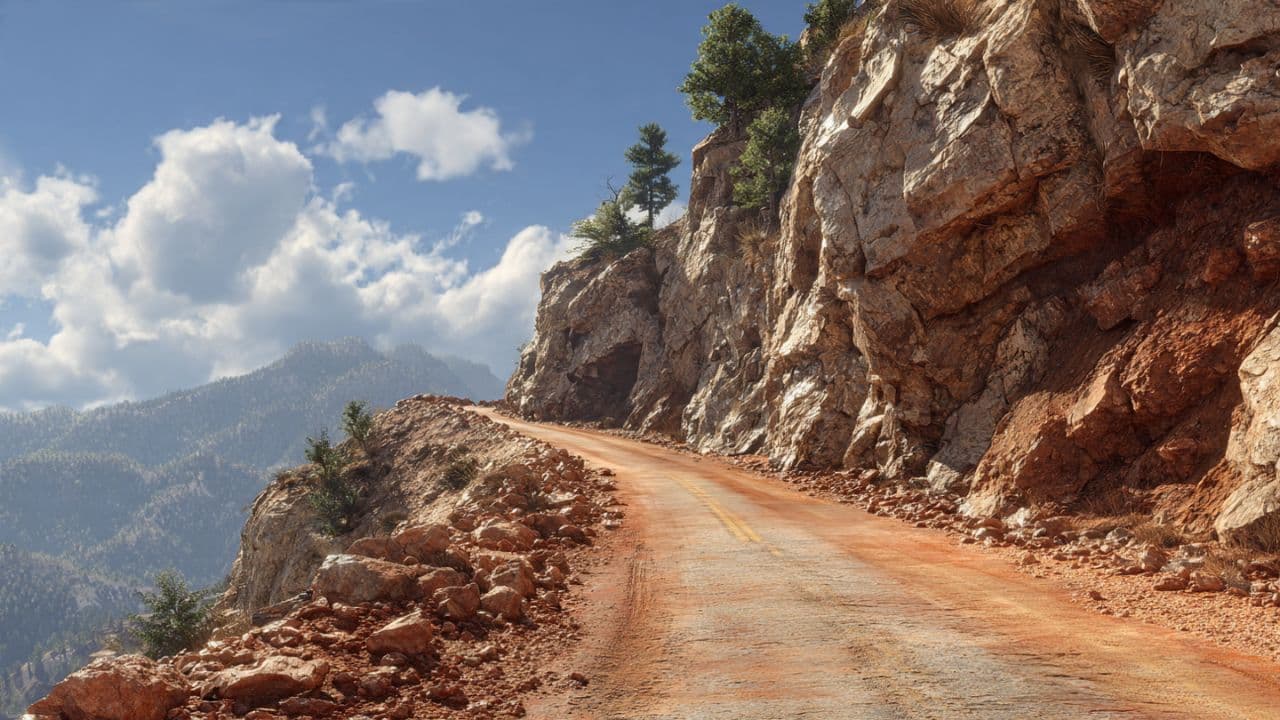
The central highlands, characterized by their immense elevation and steep basalt valleys, form the primary watershed of the nation, where countless small streams gather to feed the major river systems of the region. Under normal conditions, these clear mountain rivers flow through deep rocky channels, their volumes managed by the natural gradients of the landscape. The rural communities build their villages on the higher ridges, utilizing the valley floors for grazing livestock and cultivating small plots of hardy crops.
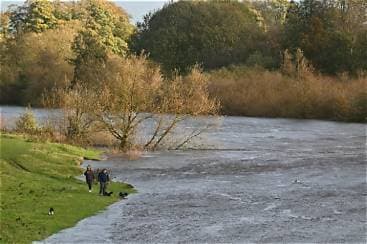
Yet, when a slow-moving weather system deposits heavy, concentrated rainfall over the high peaks, the steep slopes rapidly channel the water down into the narrow valleys below. The capacity of the mountain streams is overwhelmed within hours, transforming quiet rocky brooks into raging torrents of brown, debris-laden water. The flash floods rise with terrifying speed, submerging the low-lying concrete drift bridges that serve as the only transport links between isolated settlements.
For the residents of the remote interior villages, the sudden rise of the water brought an immediate halt to the daily movement of people and supplies. The small river crossings, designed to handle normal seasonal variations, disappeared entirely beneath a meter of rushing water, making any attempt at vehicular passage extremely dangerous. Those caught on the wrong side of the river were forced to wait out the storm at nearby homesteads, watching the current carry fragments of mountain vegetation downstream.
The response within the affected valleys was marked by a traditional, self-reliant patience as the communities adapted to the temporary isolation. Local horsemen, intimately familiar with the patterns of the rivers, monitored the crossings to advise travelers against attempting dangerous transits. In the villages, families shared their food reserves and firewood with stranded visitors, ensuring that everyone remained warm and secure as the cold mountain rain continued into the night.
By the following morning, as the heavy cloud cover began to break over the high ridges, the true force of the mountain torrent became visible. The low-lying pastures near the riverbanks were covered in a layer of grey silt and river gravel, and the approaches to several drift bridges had suffered significant surface erosion. The water began its rapid retreat back into its proper channel, but the crossing remained temporarily impassable for conventional vehicles until repairs could be made.
The incident highlights the permanent vulnerability of the highland transport network to the volatile dynamics of the mountain atmosphere. In a region where roads must navigate extreme topography, the loss of a single crossing can isolate thousands of people from essential services, including clinics and markets. The local authorities face a continuous challenge to upgrade these low-level drifts into high-clearance bridges capable of withstand the increasing severity of seasonal floods.
Beneath the immediate logistical disruption lies a deeper truth about the resilience of the highland populace, who have lived in harmony with the unpredictable patterns of the mountains for generations. The flash flood is not encountered as an unprecedented disaster, but as a reminder of the permanent rules of the landscape they inhabit. The strength of the community is found in its patience, its shared resources, and its readiness to rebuild the crossings when the water recedes.
The memory of the high water will shape the conversations around the village councils as they plan for future infrastructure improvements in the district. The rivers will clear, returning to their familiar blue hues as the sediment settles in the lower reservoirs. The life of the highlands will resume its steady rhythm, the horsemen once again crossing the drifts under the wide, clear sky of the interior.
The District Administrator for Thaba-Tseka confirmed that four major low-level crossings along the secondary road network were rendered temporarily unusable by the high water. Maintenance teams equipped with front-end loaders have been dispatched to clear river debris and restore the gravel approaches as soon as the current subsides to safe levels. No structural failures of major bridge frameworks or casualties were reported within the monitored sectors.
Published by Banx Network. This article is part of the Banx decentralized media programme, powered by the BXE token on the XRP Ledger.

.jpg&w=3840&q=75 "Intelligence Agencies Suspect Russia Is Developing Anti-Satellite Weapon to Target Starlink")