
Key Highlights
- Event:A massive landslide occurred in Mendoza Province, Argentina.
- Impact:National Route 7 was blocked, isolating communities and halting trade.
- Response:Emergency teams are working to clear the debris and restore access.
On a recent day marked by unseasonal torrential rains, the high country of Mendoza Province experienced a catastrophic landslide that has since disrupted vital transportation routes. The Andes, known for their towering peaks and rugged terrain, became the site of a significant geological event that transformed the landscape and affected countless lives. The heavy rains saturated the upper ridges, causing the dry soils to liquefy and resulting in a massive flow of mud and debris cascading down the mountainside.
The landslide began in the uninhabited peaks, where the combination of loose stone and clay, exacerbated by the unusual weather, created a dangerous situation. As the earth turned into a viscous river of mud, it gained momentum, sweeping down narrow ravines and picking up boulders along the way. The impact on the valley below was immediate and devastating, as the debris buried National Route 7 under meters of mud, effectively severing a crucial trade corridor between Argentina and Chile.
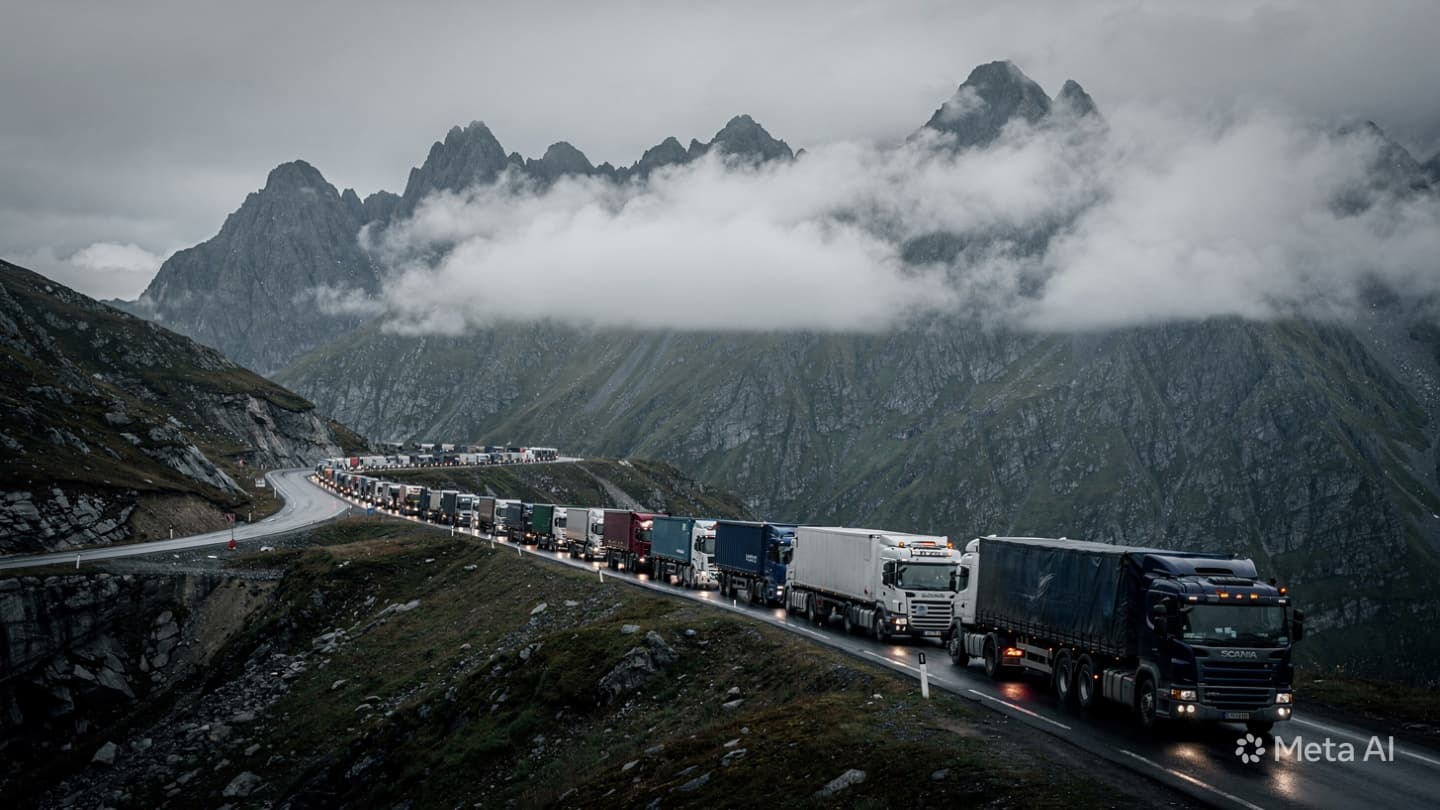
In just minutes, the once-busy highway transformed into a scene of chaos, with vehicles trapped on either side of the slide. Hundreds of long-haul trucks and passenger cars found themselves stranded, their occupants forced to wait in the cold mountain air as the muddy waters continued to flow down the slopes. The isolation of these communities highlighted the vulnerability of the region's infrastructure, which is heavily reliant on the stability of the mountainous terrain.
Emergency response teams faced significant challenges in reaching those affected by the landslide. The ongoing instability of the upper slopes posed risks of secondary slides, complicating rescue efforts. Heavy machinery was dispatched from lower elevations, but the altitude and conditions made the operation arduous. Engineers and rescue workers worked tirelessly to clear the road, battling against the drying mud that had hardened into a concrete-like mass.
The economic implications of the landslide are profound. The blockage of National Route 7 has halted the flow of goods across the continent, creating long lines of vehicles waiting for access. This disruption serves as a stark reminder of the fragility of supply chains that depend on the natural landscape. As the region grapples with the aftermath of the slide, the economic freeze is palpable, with drivers preparing for an extended wait in the shadow of the Andes.
As the clouds lifted and the sun shone on the affected area, the true scale of the disaster became evident. Engineers estimated that thousands of tons of debris would need to be removed to restore the vital trade route. The event has underscored the seasonal hazards that accompany life in the Andes, where geological forces can reshape the environment in a matter of hours. Agence France-Presse reported that the provincial civil defense teams are mobilizing to address the crisis, emphasizing the need for preparedness in the face of nature's unpredictable power.
The landslide in Mendoza Province serves as a reminder of the delicate balance between human activity and the natural world. As communities begin to assess the damage and plan for recovery, the resilience of the region will be tested in the days and weeks to come.
Published by Banx Network. This article is part of the Banx decentralized media programme, powered by the BXE token on the XRP Ledger.



