

Key Highlights
- Recent geological activity confirmed at Whistler Peak.
- Rock movement impacts safety and terrain management.
- Ongoing monitoring is essential for visitor safety.
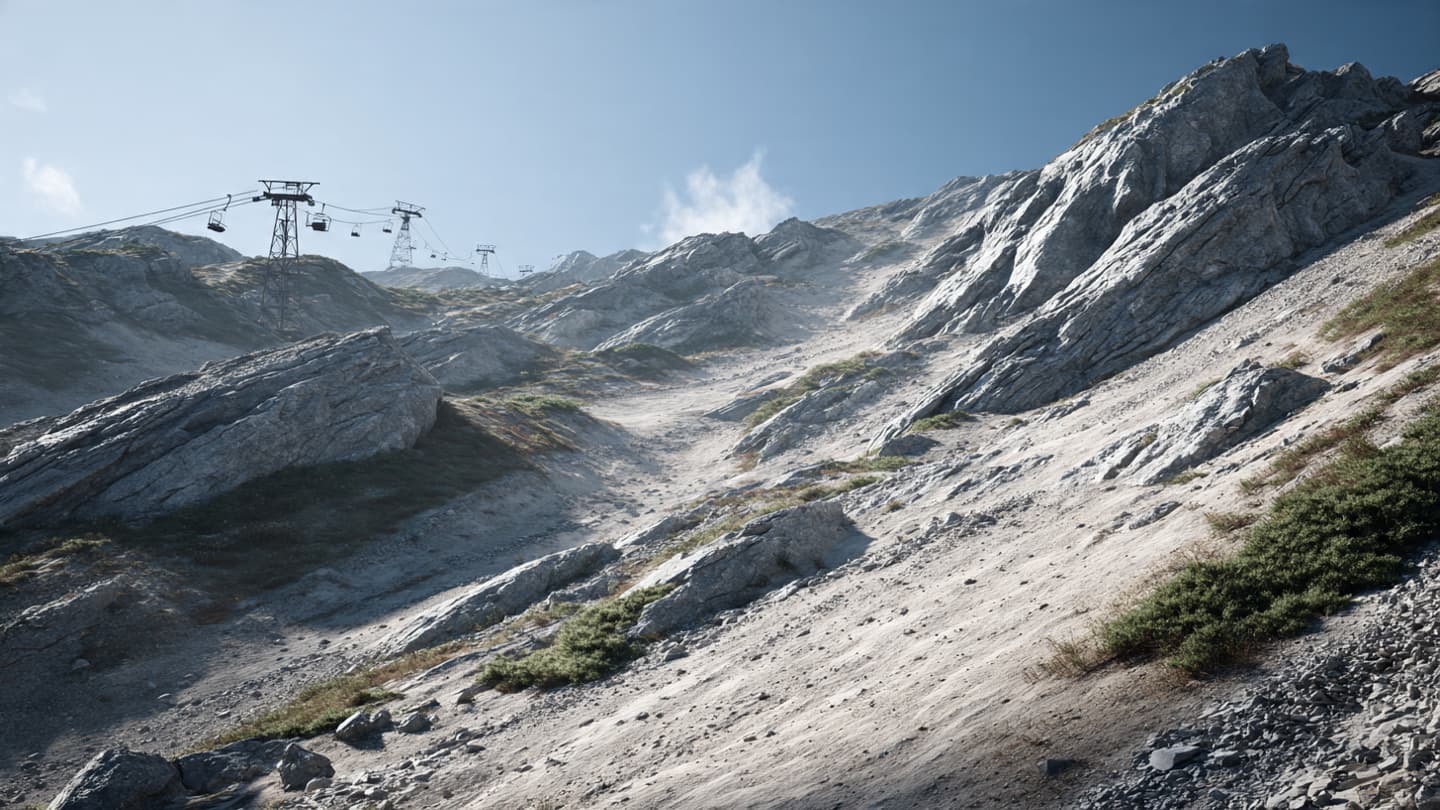
Mountains often appear still, their presence steady against shifting skies and seasonal winds. Yet beneath that calm exterior, natural forces continue their slow work, reshaping stone and snow in ways that rarely announce themselves loudly. Recent reports from Whistler Blackcomb confirm that rock movement has been detected on Whistler Peak, serving as a reminder that alpine environments remain active and dynamic, even in well-traveled recreational areas.
Geological movement in mountainous regions can be influenced by various factors, including temperature changes, freeze-thaw cycles, and natural erosion processes. Over time, these forces can gradually loosen rock formations, leading to shifts that may affect trails, lift areas, or surrounding terrain. The recent activity at Whistler Peak exemplifies how these natural processes can manifest in ways that are not immediately visible to the casual observer.
Resort operations in such environments often rely on ongoing monitoring systems and expert assessments to ensure safety for visitors and staff. When movement is detected, precautionary measures are typically evaluated to determine whether adjustments to access or activity zones are necessary. This proactive approach is crucial in maintaining a safe environment for outdoor enthusiasts who frequent these mountainous areas.
For visitors, the landscape may appear unchanged at first glance, yet behind the scenes, teams work diligently to interpret geological signals and maintain safe recreational conditions. This balance between enjoyment and awareness is a constant part of alpine management, where the safety of guests is paramount. The recent rock movement on Whistler Peak underscores the ongoing need for observation and care in alpine regions, where natural change quietly shapes the terrain over time.
Such events also highlight the broader reality of mountain ecosystems, where change is not sudden but continuous, unfolding across long timelines that contrast with human perception of stability. Even in popular destinations known for skiing and outdoor recreation, nature retains its own pace, reminding observers that landscapes are active systems rather than fixed backdrops. The confirmed rock movement on Whistler Peak serves as a critical reminder of the dynamic nature of these environments and the importance of ongoing monitoring and management.
In conclusion, the interplay between geological forces and human activity in alpine regions necessitates a vigilant approach to safety and environmental stewardship. As the landscape continues to evolve, both visitors and operators must remain aware of the underlying processes that shape these majestic mountains.
Published by Banx Network. This article is part of the Banx decentralized media programme, powered by the BXE token on the XRP Ledger.




