The high-altitude reaches of the Qinghai plateau are defined by a solitude that feels almost permanent, a vast expanse where human endeavor is often humbled by the sheer scale of the landscape. Here, the earth is not merely a foundation but a living participant in the daily rhythm of life, one that commands respect through its occasional, violent displays of power. When the ground begins to shift with an unpredictable vigor, the delicate balance between habitation and nature is tested, forcing a rapid, orderly retreat from the places where people anchor their lives.
An evacuation is never just a physical movement; it is a profound disruption of the quiet pact individuals make with the terrain they call home. As the tremor rippled through the Haixi prefecture, the immediate response was one of calculated necessity, moving people from the vulnerable peripheries of the earth’s movement. In the mining outposts near the epicenter, the transition was swift, turning the rhythmic labor of the day into a scene of focused, urgent departure as the danger beneath the soil became undeniably apparent.
There is a distinct atmospheric weight to an evacuation, a tension that hangs in the air long after the ground has ceased its violent trembling. As search teams and rescue personnel ascended toward the 4,000-meter elevations, their presence marked a pivot from normalcy to contingency. The act of leaving, while essential for survival, strips away the veneer of predictability that defines remote mountain life, leaving behind only the stark reality of the fragility inherent in such high, exposed places.
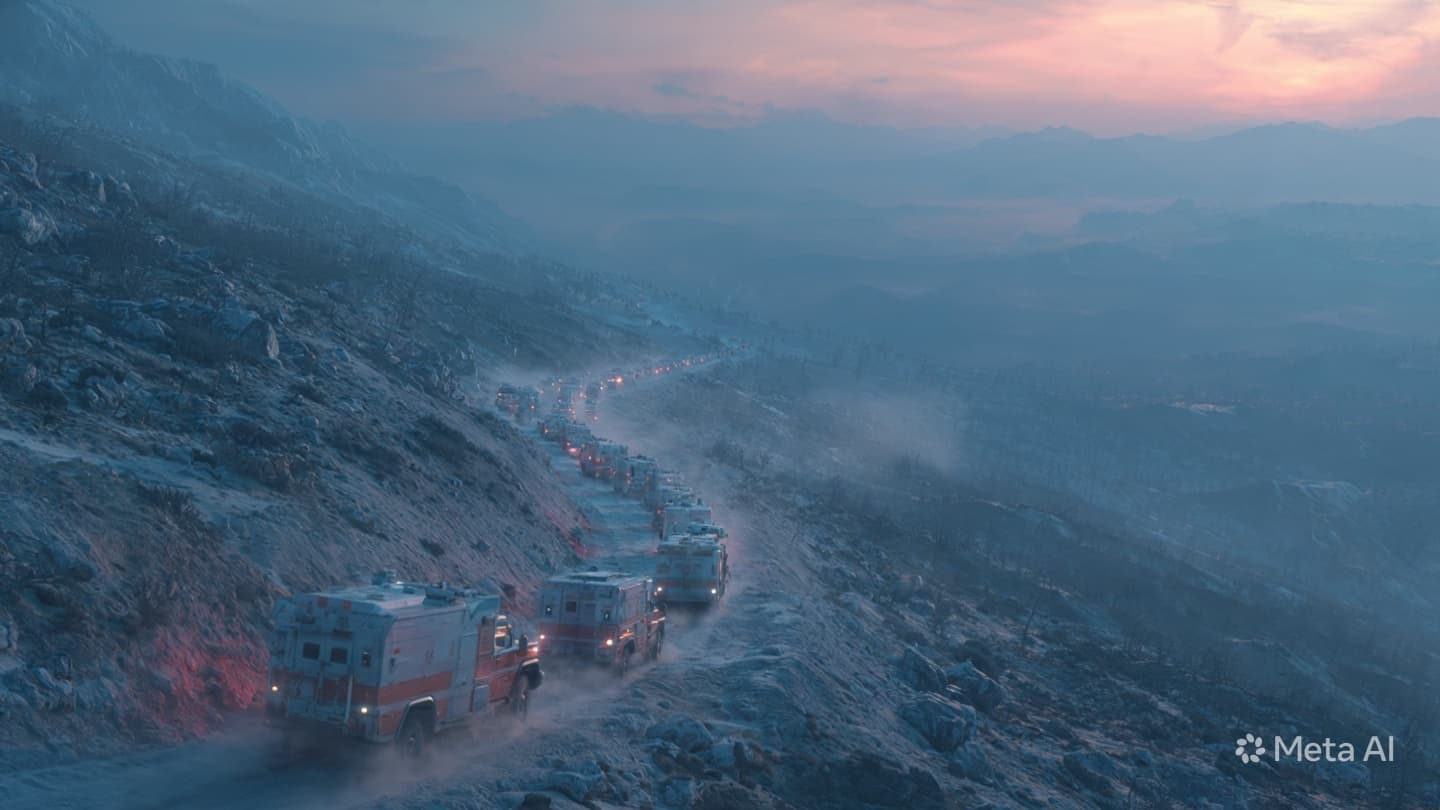
The logistical choreography required to clear these areas is immense, yet it unfolds with a calm, practiced precision that belies the underlying anxiety of the moment. Vehicles move in organized lines across the desolate, rocky terrain, carrying those who work the land away from the reach of potential aftershocks. This migration is a silent acknowledgment of the earth’s dominance, a collective decision to cede the ground temporarily in favor of the safety found in the broader, more stable valleys below.
Behind every evacuated mine and shuttered facility lies the human story of interruption. Workers who moments earlier were immersed in the standard tasks of industrial life found themselves navigating a rapidly changing environment where the primary goal was the preservation of life above all else. This sudden shift highlights the resilience required to inhabit such volatile corners of the globe, where the ability to let go of one's surroundings at a moment's notice is a skill honed by necessity and experience.
As the authorities assess the structural integrity of the affected regions, the displaced wait in a state of suspended animation. Their temporary camps are scattered vignettes of resilience, where the focus remains on monitoring the horizon for the next tremor. The surrounding landscape, vast and indifferent to the human commotion, remains a silent observer as the rescue teams continue their thorough sweep, ensuring that no one is left behind in the fractured silence of the high desert.
The process of resetting after such an event is methodical and slow, mirroring the long, patient cycles of the plateau itself. Every evaluation of the earth’s stability is a step toward understanding whether the return to home is possible or if the land has fundamentally shifted its terms of engagement. It is a contemplative period of uncertainty, where the landscape is once again studied, measured, and weighed against the needs of those who seek to dwell within its expansive, often challenging embrace.
As the sun arcs across the sky, the immediate urgency of the evacuation begins to settle into a narrative of recovery and vigilance. The teams on the ground maintain their presence, a reassuring anchor in the aftermath of the shaking. For the people who have temporarily left their homes, the horizon holds both the memory of the tremor and the hope for a return to the quiet, steady rhythm that once defined their lives in this remote, high-altitude sanctuary.
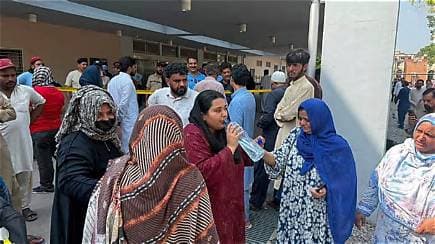
Authorities have confirmed the successful evacuation of all personnel from coal mining enterprises near the epicenter in Haixi prefecture. Emergency management teams, including specialized rescue units and search dogs, are conducting ongoing assessments of the area to ensure safety and monitor for potential secondary disasters. While one individual lost their life and four were injured, the broader efforts remain focused on the systematic relocation of residents and the stabilization of the site until geological stability is firmly established.
Published by Banx Network. This article is part of the Banx decentralized media programme, powered by the BXE token on the XRP Ledger.