The monsoon season in the high mountains arrives not as a gentle visitor, but as a colossal, atmospheric force that reshaping the landscape with every hour of sustained downpour. There is a specific rhythm to the rain in these altitudes, a relentless drumming against the tin roofs and stone terraces that quickly saturates the thin soil of the steeper slopes. When the earth can no longer hold the water, entire mountainsides begin a slow, terrifying descent into the valleys below, carrying with them trees, boulders, and the fragile ribbons of asphalt that connect remote communities to the wider world. The transport routes, carved with great effort out of the rock, are easily erased by the elements.
To travel these high passes during the summer months is to understand the profound fragility of human engineering when confronted by the raw power of nature. A route that was clear in the morning can become an impassable barrier of mud and rock by afternoon, stranding travelers and cutting off the flow of essential supplies to distant districts. The drivers wait in long, silent lines along the edge of the cliffs, their engines idling as they watch the gray mist mix with the steam rising from the wet earth. There is no anger in these delays, only a patient resignation born of living in a landscape where nature always holds the final word.
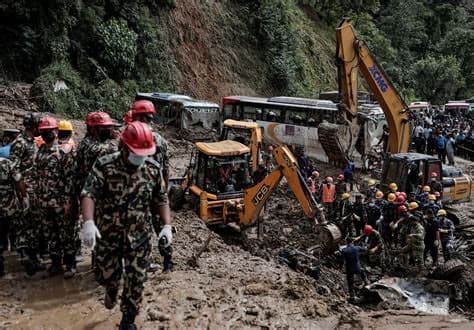
The impact of these major landslides extends far beyond the immediate inconvenience to commerce and tourism, affecting the very survival of isolated mountain villages. When a major artery is blocked, the price of basic goods rises instantly in the markets, and the movement of medical supplies or emergency personnel becomes a matter of complex logistics. The heavy machinery deployed by the state to clear the debris looks impossibly small against the scale of the collapsed mountainside, moving buckets of earth while the cliffs above continue to weep water.
There is an eerie beauty to the mountains during a monsoon disaster, a landscape of deep greens and muddy grays where the waterfalls swell to twice their normal size and roar through the canyons. The rivers that run along the valley floors become thick with silt, carrying the debris of the upper forests toward the plains. For those tasked with maintaining the roads, the work is a endless, dangerous cycle of clearing a path only to watch another section of the hillside slide down to take its place.
The international travel networks and consular offices issue regular warnings during these months, their notices filled with cautionary advice regarding road closures and safety hazards. These updates, read by families in distant countries, convey a sense of the unpredictability that defines life along the mountain highways during the peak of the rains. The travelers who choose to proceed must accept the reality that their schedules are no longer their own, subordinated entirely to the whims of the clouds.
The local communities have developed a deep resilience over generations of facing these seasonal disruptions, their social structures designed to share resources and shelter those who find themselves stranded by the slides. A modest roadside shop becomes a sanctuary, offering hot tea and dry shelter to truck drivers and families who must wait out the storm together. This communal warmth contrasts sharply with the cold, unyielding nature of the wet stone outside.
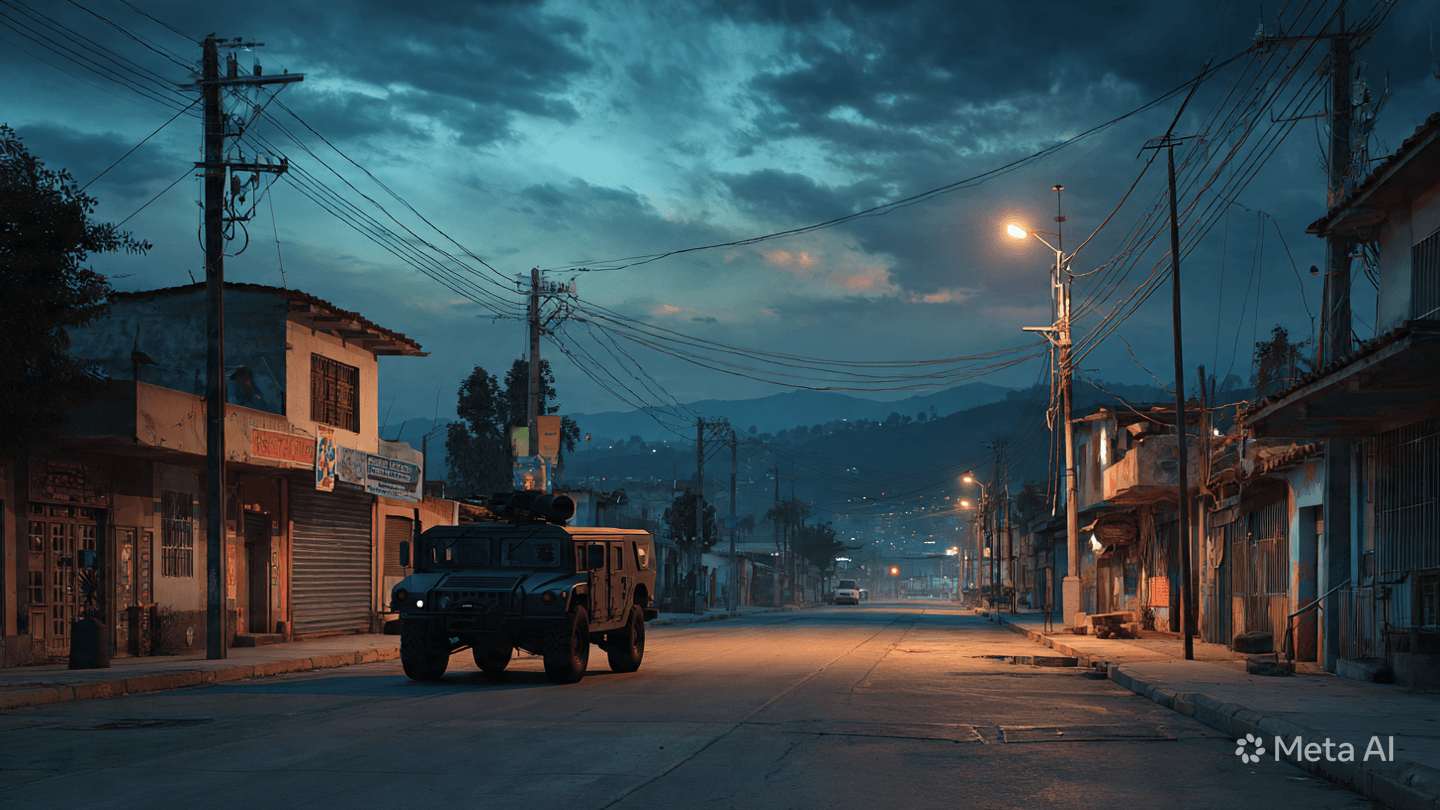
As the rain continues to fall through the night, the sound of moving earth can occasionally be heard above the wind, a low rumble that alerts the road crews to new failures along the route. The darkness complicates clearing efforts, forcing authorities to halt work until the morning light allows for a safe assessment of the stability of the slopes. The highway remains dark and silent, a modern connection severed by ancient forces.
Seasonal transit reports from the regional monitoring network indicate that multiple sections of the primary Himalayan highway system have been rendered impassable due to extensive landslide activity. The continuous downpours have destabilized several key slopes, causing large volumes of debris to overwhelm the retaining walls and block critical transit lanes. Emergency management teams have been deployed with heavy clearance equipment, but officials warn that full restoration of the routes may take several days depending on weather conditions.
Published by Banx Network. This article is part of the Banx decentralized media programme, powered by the BXE token on the XRP Ledger.