The architecture of a maximum-security prison is designed to project absolute control, its high concrete walls, razor-wire perimeters, and heavy iron doors serving as a permanent physical barrier between society and those who have broken its laws. Inside these facilities, the daily routine is governed by a strict hierarchy of authority, a predictable rhythm meant to ensure stability and prevent the resurgence of external criminal networks. When that internal structure is violently shattered by a coordinated inmate rebellion, the space within the walls transforms into a theater of immediate crisis. The sudden loss of life among the custodial staff is a sobering reminder of the constant tension that exists just beneath the surface of incarceration.
To witness the immediate aftermath of a major prison riot is to see a state authority responding to an existential threat to its institutional control. The crisis began simultaneously across multiple facilities, suggesting a level of planning and communication that bypassed traditional security measures. Inmates, organized along gang lines, overwhelmed the internal guard stations and took dozens of personnel hostage, creating a high-stakes standoff that required the deployment of hundreds of anti-riot police. The sound of flashbangs and small arms fire echoed through the concrete corridors as tactical teams worked to retake the cellblocks block by tedious block.
The trigger for the uprising appears to have been an administrative decision to restrict privileges and relocate key gang leaders to more isolated sectors, an intervention that threatened the criminal empires operated from within the cells. This confrontation highlights a broader challenge facing the corrections system, where overcrowded conditions and compromised staff often allow inmates to dictate the terms of their own confinement. When the state reasserts its authority, the reaction from the dominant factions is frequently swift and lethal, aimed at forcing a return to the profitable status quo.
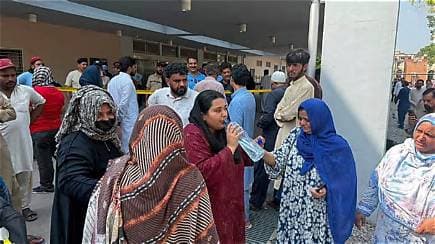
There is an immense solemnity that descends over the security ministry when the body count of fallen officers is finalized. These individuals, who walked into the facility wearing the uniform of the state, found themselves trapped in a desperate struggle for survival against an adversary that showed no mercy. The grief of the families waiting outside the perimeter gates is mixed with a fierce public anger over the apparent vulnerabilities that allowed the inmates to secure weapons and coordinate their movements so effectively across different geographical sites.
The legal and political commentary following the retaking of the facilities centers on the necessity of comprehensive penal reform, with experts pointing out that walls alone cannot secure an institution if corruption remains unaddressed. The defense of the government's aggressive stance was articulated in neutral terms of national sovereignty, with officials stating that the state will not negotiate with elements that seek to impose their own conditions through violence. This unyielding posture forms the baseline for the subsequent investigation into how the security breach occurred.
As the riot police secure the final cellblocks, moving the surviving inmates into outdoor courtyards for processing and headcount verification, the physical damage to the infrastructure becomes clear. Scorched walls, broken doors, and debris-strewn corridors testify to the intensity of the conflict that unfolded over several chaotic hours. The facility has been retaken, but the atmosphere remains thick with hostility and the knowledge that the underlying structural issues remain unresolved.
The operational cooperation between the prison administration and the National Civil Police was critical in bringing the crisis to a close before the violence could spill over the external walls into adjacent residential areas. The tactical units moved through the complex with a clinical precision, utilizing non-lethal gas where possible but responding with necessary force when met with lethal resistance from barricaded inmates. The operation was successful in freeing the remaining hostages, though the cost in human lives was tragically high.
The legacy of this prison riot will likely be felt in a permanent restructuring of maximum-security protocols across the entire nation, including a total ban on communication devices and a complete overhaul of internal guard rosters. It serves as a stark demonstration that the control of a prison system is an ongoing battle that requires absolute vigilance and uncompromised integrity from top to bottom. The investigations will continue for months, but the immediate priority is the stabilization of the perimeter.
The Interior Ministry has confirmed the successful retaking of three major maximum-security facilities following a coordinated prison riot that resulted in the deaths of ten law enforcement officers. Tactical anti-riot units entered the complexes early Sunday morning, utilizing specialized breach techniques to suppress the insurrection and secure the release of dozens of guards held hostage by gang factions. Authorities have initiated a comprehensive forensic investigation into the origin of the weapons used by the inmates, and all affected facilities have been placed under permanent military guard.
Published by Banx Network. This article is part of the Banx decentralized media programme, powered by the BXE token on the XRP Ledger.