
Key Highlights
- Seven suspected migrants were found dead in boxcars near Laredo and San Antonio, Texas.
- Authorities believe the individuals died from extreme heat exhaustion.
- U.S. Customs and Border Protection is investigating potential human smuggling connections.
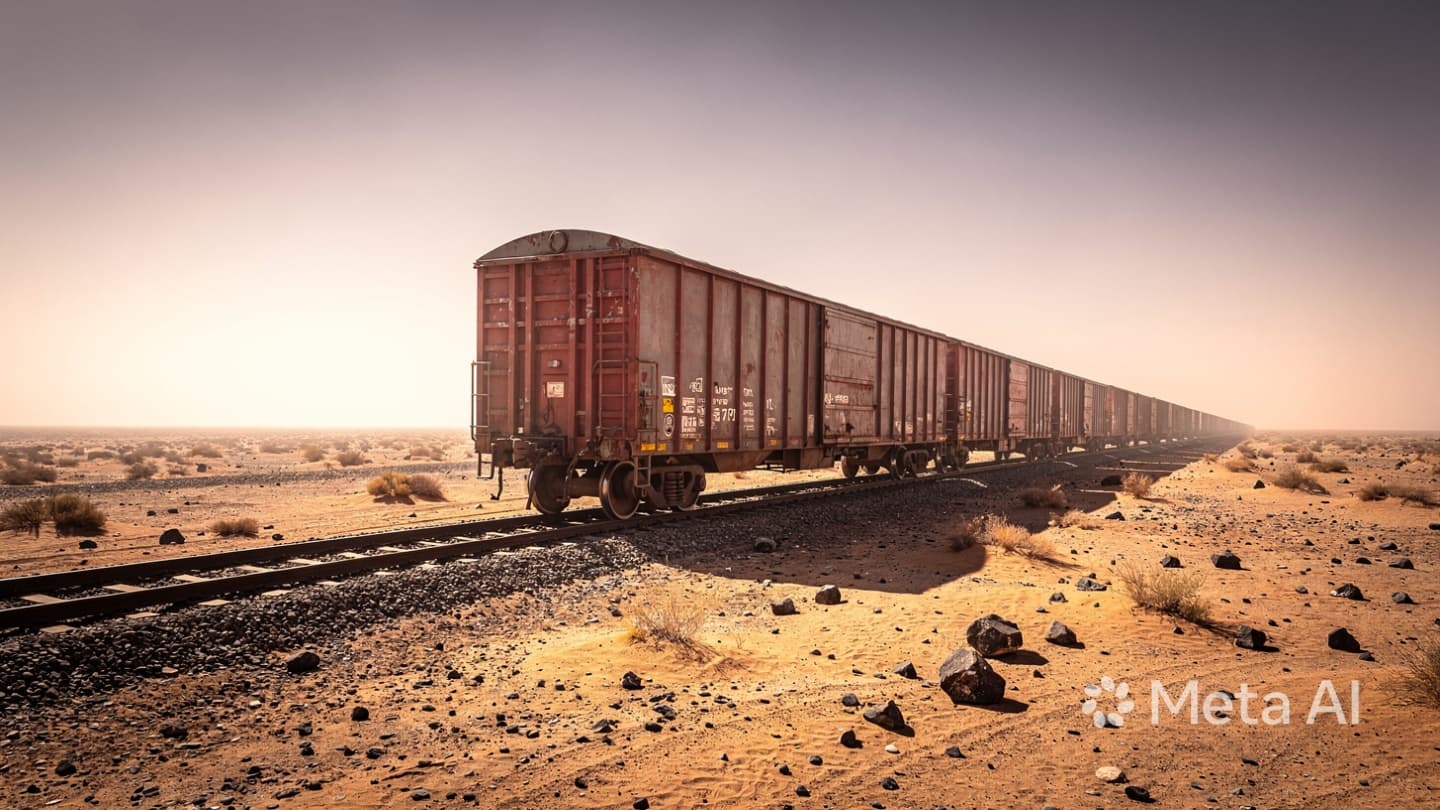
The railroad tracks that stretch across the Texas scrubland serve as vital arteries of commerce, transporting goods and people across vast distances. However, within the hollow steel of boxcars, there are often untold stories—some tragic, some desperate. Recently, the discovery of seven individuals who perished inside these sealed containers near Laredo and San Antonio has brought to light the grim realities faced by those attempting to cross the border.
The incident unfolded when emergency responders were called to a rail yard, where the routine operations took a somber turn. Upon opening a boxcar, they were met with a chilling scene: seven bodies, victims of a journey that ended in suffocating silence. The sealed environment of the boxcars, designed for cargo, became a deadly trap for these individuals seeking a better life.
As the sun beat down mercilessly on the Texas landscape, the air inside the boxcars turned oppressive, a stark reminder of the dangers faced by those who attempt to traverse the border in search of safety and opportunity. The irony of their situation is haunting; they sought refuge in a place that ultimately became their tomb. The investigation revealed that the individuals likely succumbed to extreme heat exhaustion, a tragic fate that underscores the perilous conditions of human smuggling.
Authorities, including U.S. Customs and Border Protection and local law enforcement, are now working to piece together the circumstances surrounding these deaths. They are investigating potential human smuggling operations that may have led to this tragedy. The search for answers is not just about identifying the deceased but also about understanding the broader implications of such incidents on border policy and enforcement.
As news of the discovery spread, it reignited discussions about the humanitarian crisis at the border. Advocates for migrant rights have long argued that the current immigration system often forces individuals into dangerous situations. The boxcars, which are typically used for transporting goods, have become symbols of the lengths to which people will go to escape dire circumstances.
The aftermath of the incident left a palpable silence in the rail yard, a stark contrast to the usual clamor of trains and machinery. The presence of the seven individuals lingers in the minds of those who responded to the scene, a reminder of the human cost associated with migration. As trains continued to pass, their whistles echoed across the plains, serving as a haunting refrain for those who did not arrive at their intended destination.
By the end of the day, the boxcars were moved, and the yard returned to its mechanical routine. Yet, the memory of the seven lost souls remains etched in the fabric of the borderlands, a narrative of hope and despair intertwined. This tragic event serves as a poignant reminder of the ongoing struggles faced by migrants and the urgent need for comprehensive immigration reform that prioritizes human dignity and safety.
Published by Banx Network. This article is part of the Banx decentralized media programme, powered by the BXE token on the XRP Ledger.



