In the vast mosaic of the Ukrainian-Russian conflict, each day marks another brushstroke on a painting that has defied easy interpretation. A war that began with thunder and tumults now moves with both tremors and bouts of sudden energy, like autumn winds stirring falling leaves — familiar yet unrelenting. On February 26, 2026, the contours of Russia’s offensive campaign were updated once more, reflecting a chapter of persistence and adaptation in a long struggle now entering its fifth year.
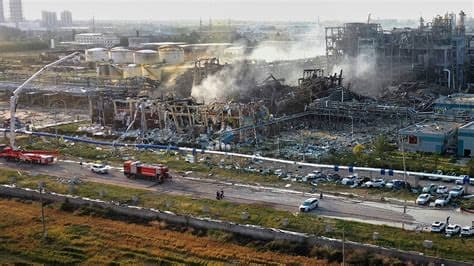
In the quiet hours before dawn, Russian forces mounted large-scale missile and drone strikes against multiple Ukrainian regions, weaving a pattern of conflict that touched energy infrastructure, railway hubs, and residential districts. The sounds of explosions echoed in places like Poltava, Kyiv, Dnipro and Zaporizhzhia, where at least two dozen civilians, including children, were reported wounded as Russia’s aerial drones and missiles struck. Despite Ukraine’s defenses shooting down hundreds of incoming projectiles, the damage underscored how civilian life remains caught between the gears of military strategy and human vulnerability.
This barrage — involving 420 drones and dozens of missiles — was not just an isolated flash of violence but also a reflection of how the conflict continues to shape the rhythms of daily life on both sides of the frontline. In the same breath, Ukraine signaled its intent to accelerate defensive measures, expanding anti-drone net deployment along thousands of kilometers of frontline roads to protect not just military corridors but the lives and properties of ordinary citizens.
On the broader battlefield, Russian forces have continued their efforts to maintain and, where possible, expand their territorial control. Assessments by analysts note that while Moscow has consolidated gains in certain sectors — such as capturing towns like Pokrovsk — further strategic breakthroughs remain elusive, with frontlines often stable or shifting incrementally rather than dramatically.
Indeed, the terrain of war has become both physical and psychological. In cities and villages alike, educational facilities, hospitals and neighborhoods still bear the marks of conflict, even as local communities brace for each day’s uncertainties. Behind the immediate headlines lies a deeper narrative: a pattern of resilience and recalibration as Ukraine balances urgent defense needs with long-term strategies, and as Russia oscillates between offensive ambitions and the stark realities of four years of attrition.
Amid these shifting tides, diplomatic efforts persist. Talks involving Ukrainian, American and other international intermediaries continue to seek pathways toward ceasefires, prisoner swaps and broader negotiations — though peace remains elusive as territorial disputes and broader geopolitical tensions complicate every new conversation.
In this charged landscape, the battlefields of February 26 are reminders that war is not only measured in maps and missiles, but in millions of quiet, fearful and hopeful human moments. Each strike, each defensive measure, each diplomatic overture carries not just strategic importance but the weight of everyday lives shaped by a conflict that shows no signs of simple resolution.
AI Image Disclaimer (Rotated Wording) “Images in this article are AI-generated illustrations, meant for concept only.”
Sources Reuters AP News Institute for the Study of War (via Critical Threats) Kyiv Post Understanding War (ISW)
Published by Banx Network. This article is part of the Banx decentralized media programme, powered by the BXE token on the XRP Ledger.