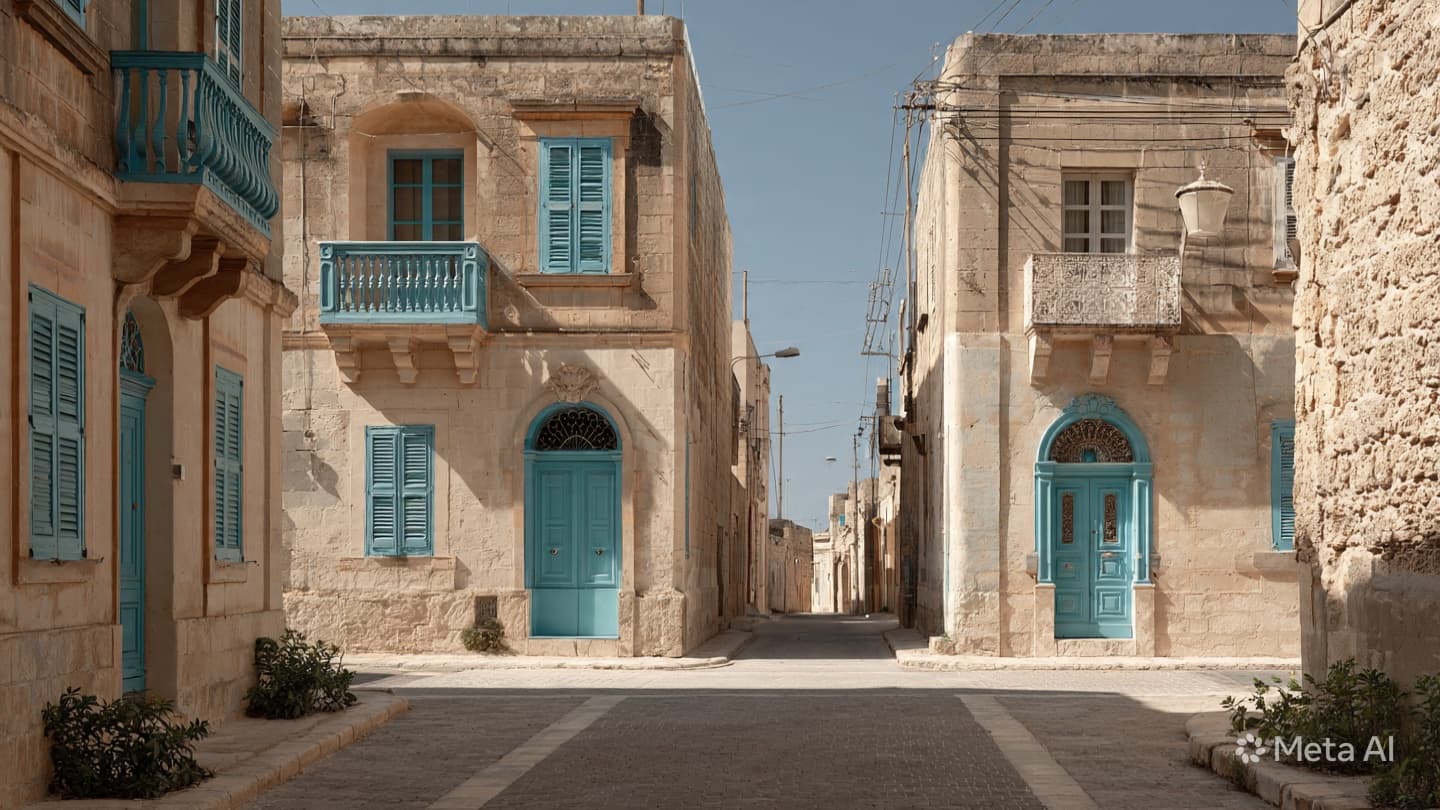
The streets of Hal Għaxaq are usually defined by the steady, rhythmic pace of a community living in the light of day. It is a town of familiar corners and quiet intersections where the routines of life play out in predictable sequences. Yet, there exists a hidden periphery, a space where the shadows grow long even in the afternoon sun, and where a seventeen-year-old boy found himself caught in the complex, unforgiving mechanics of an illicit trade.
When law enforcement maintains a silent watch, they are observing more than just a person; they are tracking the flow of choices that lead toward a definitive end. The surveillance of the youth—a resident of Msida—was a process of patience and precision. For the officers stationed in the quiet lanes of Għaxaq, the observation of repeated, suspicious meetings was not a matter of judgment, but a necessary gathering of evidence. It was a narrative of inevitable collision between a young life and the uncompromising reach of the law.
The arrest itself, when it finally arrived, was a moment of stark, sudden clarity. The search of his person revealed the tangible weight of his choices: fifty-three sachets of cocaine, eleven of heroin, and three of synthetic cannabis. These are not merely items of contraband; they are the physical manifestation of a path that has detached from the ordinary concerns of youth and entered the cold, transactional reality of the narcotics market. The phones, the cash, the tools of the trade—all were collected, marking the end of one chapter and the beginning of another in a courtroom.
For those who reflect on such an event, the question is not simply one of guilt, but of the environment that allowed such a trajectory to take root. How does a seventeen-year-old come to view these illicit transactions as his daily rhythm? It is a sobering reflection on the gaps in our social fabric, where the allure of quick gains can obscure the long-term cost of a life spent in the shadows. The arrest is a necessary intervention, a boundary line drawn against the further erosion of a young person’s potential.
The legal proceedings that follow are a formal acknowledgment of the seriousness of these actions. As he faces the Magistrate in Floriana, the youth is confronted with the reality of a system that views these crimes through the lens of public safety and accountability. It is a sterile, measured process, a far cry from the hurried, clandestine nature of the deals that led him there. This transition from the street to the courtroom is a crucial, if difficult, step toward potential reckoning and change.
The community of Hal Għaxaq, while largely distanced from the specific details, is nonetheless affected by the presence of these networks within their midst. It serves as a reminder that the reach of the drug trade is not confined to the urban centers or the margins; it filters into the quiet, residential towns, seeking out vulnerabilities in the most unlikely places. The arrest acts as a local reset, a way to reclaim the peace and to signal that such activities do not go unnoticed.
In the aftermath, the narrative remains one of transition and uncertainty. The youth is held in the lock-up, his story now tied to the progress of the investigation and the decisions of the court. There is a sense of profound sadness in the quiet of a life paused, a recognition of all the paths not taken. The work of recovery—for the youth, for the community, and for the system that manages these cases—is long and arduous, requiring a commitment to understanding the roots of the problem.
Ultimately, the story of the arrest in Hal Għaxaq is a reflection on the fragility of our collective future. It is a reminder that we are all responsible for the environments in which our children grow, and that the work of protection is a continuous, collective effort. As the investigation moves forward, we are left to contemplate the silent, persistent work of the law, and the quiet hope that even from the depths of a mistake, a life might still find a way to return to the light.
Published by Banx Network. This article is part of the Banx decentralized media programme, powered by the BXE token on the XRP Ledger.