There are moments when preparing for something great feels like waiting at a train station at dawn—quiet sky overhead, a rumble in the distance, and that gentle hope that today might be the day. Light filters slowly across the horizon, and though the journey you await has been spoken of many times, its beginning still carries a kind of humble wonder.
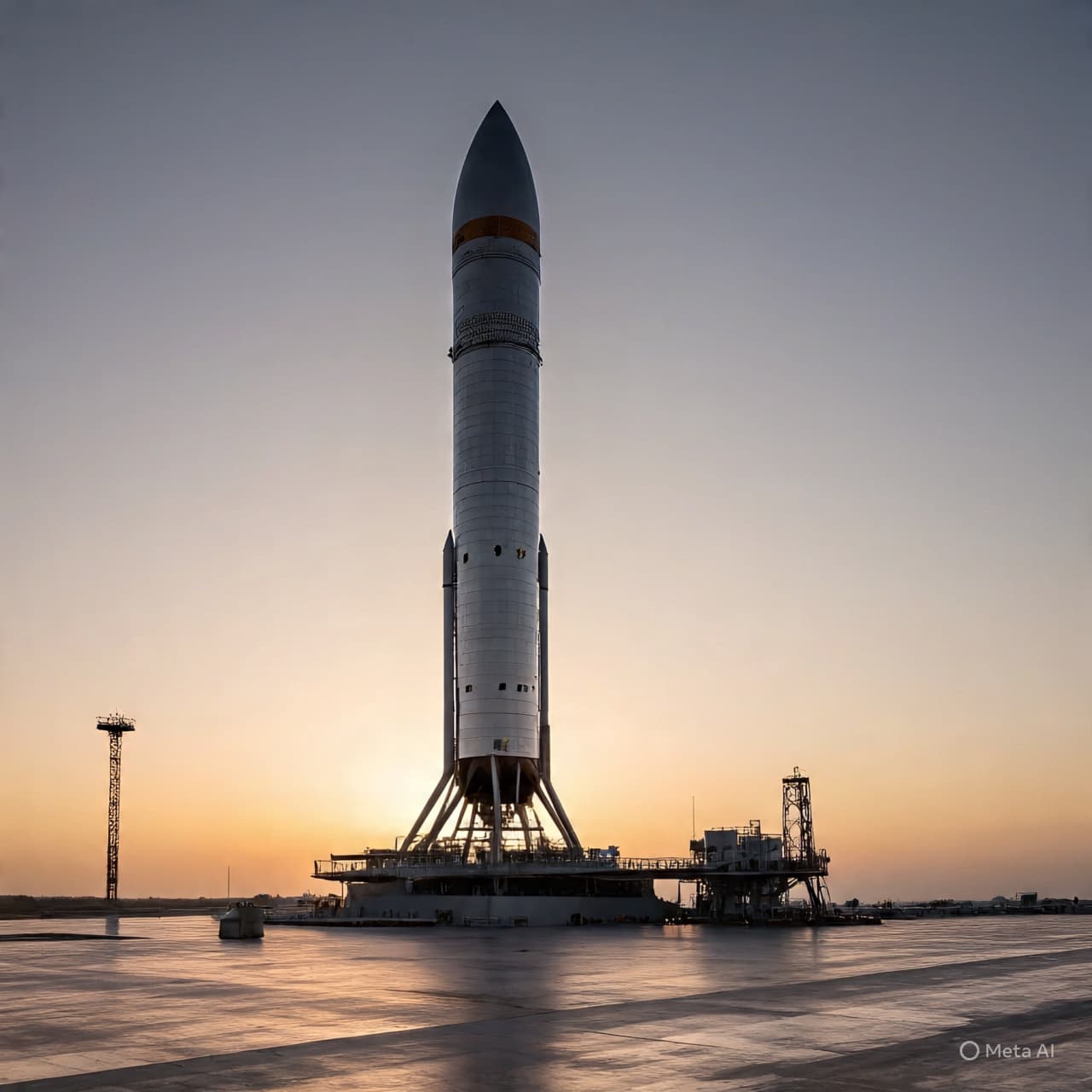
Such is the mood now at NASA’s Kennedy Space Center in Florida, where the iconic moon rocket, part of the Artemis II mission, has been gently returned to its launch pad. Sleek and tall against the morning light, the Space Launch System (SLS) and its Orion spacecraft sit poised once again for what could be a remarkable new chapter in human spaceflight—the first crewed lunar journey in more than half a century.
This preparation has not been without its pauses. Like many carefully choreographed endeavors, Artemis II has experienced moments where plans needed adjustment—small setbacks that required tending and thoughtful recalibration. Engineers found and addressed technical issues that took the rocket back into the Vehicle Assembly Building for repairs. Yet, with each detour, the sense of purpose persisted, like a melody that pauses but never fades.
The return to the pad was deliberate and unhurried. Mounted atop NASA’s massive crawler-transporter, the rocket traversed the gentle four-mile path from its hangar to Launch Complex 39B, a historic site that once bore the Saturn V rockets of the Apollo era. Though winds briefly delayed its arrival, the process continued with the patience of those who know that milestones are reached not in haste, but in readiness.
In the quiet spaces between preparation and liftoff, the astronauts assigned to Artemis II have begun their own period of calm isolation, stepping back from daily life to focus on the journey that lies ahead. Their quarantine is not solitude so much as the quiet tending of minds and bodies that will soon traverse beyond Earth’s embrace.
There is a gentle rhythm to this phase—final system checks, monitoring weather windows, and aligning every variable toward a moment that could happen on April 1, when the launch window opens. This date frames the work with a sense of possibility: early April might see humanity take another bold step, circling the Moon as part of a roughly 10-day journey that reconnects us with a path first charted by Apollo missions in the 20th century.
Artemis II will carry four astronauts—three from NASA and one from the Canadian Space Agency—into lunar orbit and back, without landing, offering new insights into human spaceflight beyond low Earth orbit. It will also set the stage for future missions that aim to take humanity even deeper into lunar exploration.
As the rocket stands tall on its pad, it is easy to forget how many small, unseen moments have contributed to this point—the quiet checks in the middle of the night, the careful calibration of instruments, the patient conversations among engineers and scientists who know that every detail matters. These are the unheralded passages of missions like Artemis II, woven together quietly before the moment arrives.
There is history here too, not just in the eventual flight itself, but in the lineage of spacecraft and exploration that led to this launch attempt. Launch Complex 39B, once home to Saturn V rockets and space shuttles, now supports a new generation of deep space exploration, reminding us that progress often builds upon foundations laid long ago.
Yet the rocket’s readiness, like the dawn light that slowly spreads across the horizon, emerges gently, offering hope without clamoring for it. In these moments before possible liftoff, there is a quiet anticipation—an invitation to witness something that speaks to human curiosity and perseverance.
NASA’s teams continue their final preparations—fueling procedures, system checks, and weather monitoring—each step taken with a respectful attention to safety and possibility. These preparations reflect a broader effort within the Artemis program to return humans to lunar space and enable sustained exploration beyond Earth.
In the coming days, as the launch window opens and the clock counts down, each moment will carry both weight and wonder. Whether April 1 becomes the day of liftoff or merely the opening of opportunity, the work leading here has already deepened our understanding of what it means to prepare for such an endeavor.
The rocket, the astronauts, the mission planners—all now stand quietly upon the threshold of possibility, embodying the careful patience of those who have worked to bring them here. As spring’s early warmth spreads across Florida’s coast, there is a calm sense that something remarkable may soon unfold—not in a burst of noise alone, but in the thoughtful culmination of years of effort.
In a world often rushing toward headlines and instant moments, this return to the launch pad is a reminder that some achievements arrive not with clamor, but with a quiet readiness that speaks for itself.
AI Image Disclaimer (Rewritten) Graphics are AI-generated and intended for representation, not reality.
Source Check (Credible Media Outlets): The Guardian AP News Space.com NBC26 Houston Chronicle
Published by Banx Network. This article is part of the Banx decentralized media programme, powered by the BXE token on the XRP Ledger.