
Key Highlights
- Russia's space agency, Roscosmos, plans contributions to the Lunar Gateway by 2026.
- The focus includes advanced life support and docking systems.
- This initiative marks a significant step in international lunar collaboration.
The moon has always been our most faithful companion, a silent witness to the rise and fall of civilizations, hanging like a pale lantern in the velvet dark of the night. For generations, we have looked up at its scarred and silver surface with a mixture of awe and longing, wondering when we might finally find a permanent foothold among its craters and plains. Now, that longing is taking a tangible shape, a transformation from the ethereal to the mechanical.
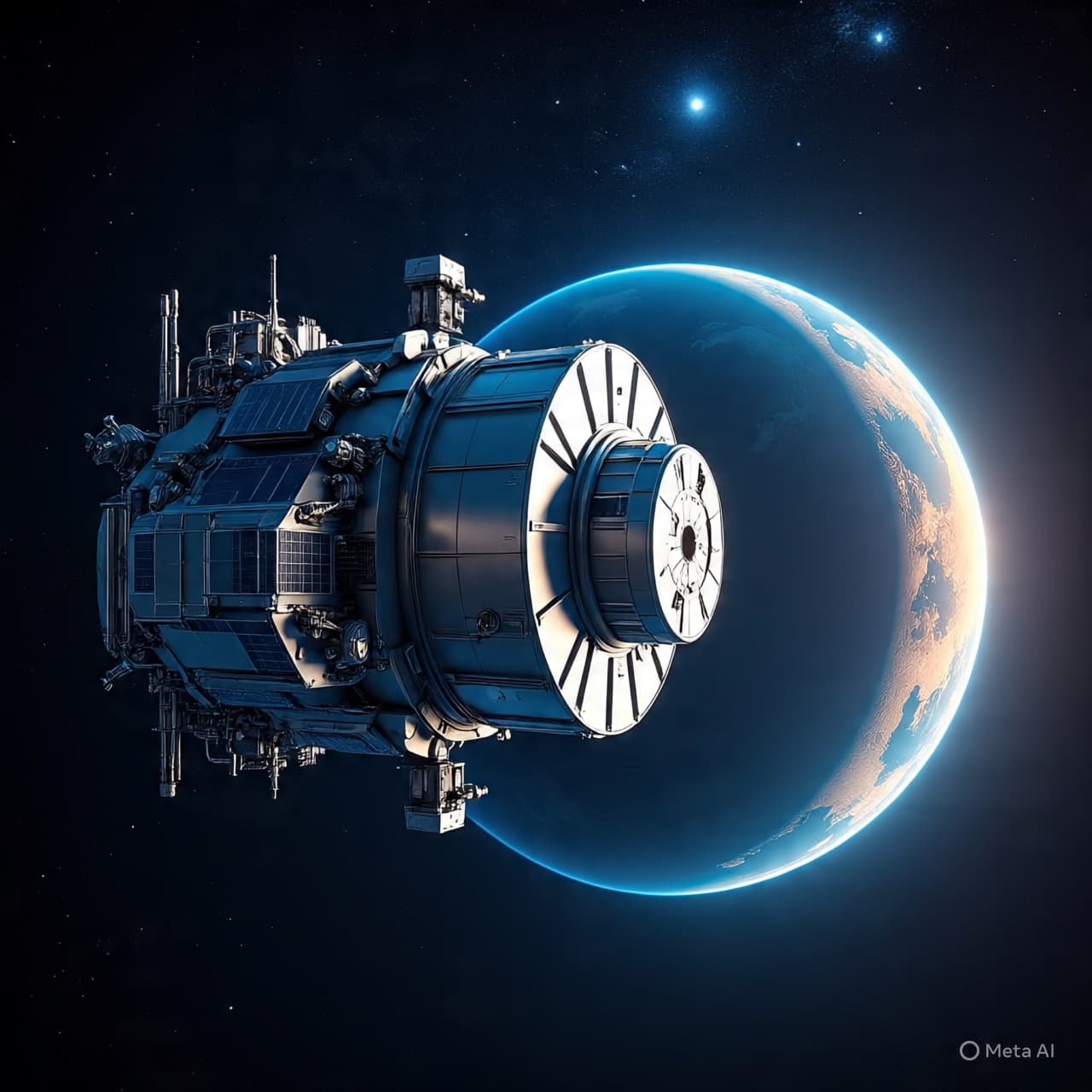
The Russian space agency has recently cast its gaze toward the horizon of 2026, outlining its contribution to the Lunar Gateway. This is not merely a project of engineering; it is a gesture of cosmic continuity. It represents the next step in our slow migration away from the cradle of the Earth, a movement toward a station that will serve as a bridge between the world we know and the vast, unwritten future of deep space.
There is a specific poetry to the construction of a gateway in the void. It is a place of transition, a sanctuary where the laws of gravity are traded for the freedom of the orbit. The Russian contribution—focused on life support and docking modules—is the very architecture of survival. It is the steady hand that ensures the air is breathable and the connection is secure in an environment that is fundamentally indifferent to human life.
To observe the planning of such a mission is to witness the triumph of long-term vision over the distractions of the present. While the world below may be filled with noise and friction, the work of the engineers is a study in quiet, disciplined precision. They build for a time they may not see, for a destination they may never visit, driven by the collective urge to know what lies beyond the next ridge of the moon.
The Lunar Gateway is a tapestry of international effort, a place where the expertise of different cultures is woven into a single, functional whole. By committing its technical heritage to this endeavor, Russia honors its history as a pioneer of the stars while looking toward a new era of cooperation. It is a recognition that the exploration of the heavens is too grand a task for any one nation to carry alone.
We often think of space as a cold and empty place, but projects like this turn it into a landscape of human aspiration. The modules being designed in the quiet laboratories of the north are the seeds of a future colony, the first bricks in a house that will overlook the entire world. They carry within them the hopes of a species that has always been defined by its need to wander.
As the sun sets over the launchpads and the stars begin to emerge, the plans for 2026 feel less like a distant dream and more like a looming reality. The moon, once a symbol of the unreachable, is becoming a neighbor. The gateway is the door we are preparing to open, a threshold that will lead us into a deeper understanding of our place in the cosmic dance.
The Russian space agency (Roscosmos) has officially detailed its scheduled contributions to the Lunar Gateway project for the 2026 window, specifically focusing on advanced docking mechanisms and environmental control systems. This initiative aims to integrate Russian aerospace technology into the international lunar orbit infrastructure, facilitating future crewed missions to the lunar surface. The project marks a key milestone in Russia's long-term lunar exploration roadmap.
Published by Banx Network. This article is part of the Banx decentralized media programme, powered by the BXE token on the XRP Ledger.



