There is a quiet arithmetic to illness that rarely makes the evening news. A mosquito bites, a child falls ill, a clinic runs out of medicine—these are small, unremarkable events until they multiply into millions. For two decades, the world pushed back against malaria in Africa with steady investment and steady resolve. That progress, however, was never a permanent achievement. It was a loan against the future, and the payments are now coming due.
A new study by the African Leaders Malaria Alliance and Malaria No More UK warns that a 30 percent reduction in malaria financing could result in 146 million additional cases, nearly 400,000 additional deaths, and $37 billion in lost GDP across Africa by 2030 . The projection was released during a high-level event on the sidelines of the 81st United Nations General Assembly, hosted by Botswana's President Duma Gideon Boko, who chairs ALMA, in partnership with the African Union Commission and the RBM Partnership to End Malaria .
The numbers are stark because the burden is already immense. Africa accounts for 94 percent of global malaria cases and 95 percent of malaria deaths . In 2024 alone, the continent recorded 270.8 million cases and 594,119 deaths, according to ALMA's 2025 report . Since 2015, progress has stalled, with only five member states on track to meet the target of reducing malaria incidence or mortality by 75 percent
The financing pressure is not hypothetical. Official development assistance for health in Africa has declined by 70 percent in just four years, while the Global Fund's eighth replenishment fell short of its $18 billion target . These shortfalls arrive alongside other threats: extreme weather events, growing resistance to insecticides and medicines, and humanitarian crises that disrupt health services . As WHO Director-General Tedros Ghebreyesus put it, "When investment is sustained, malaria retreats. When financing falls, it returns" .
African leaders at the event called for a dual approach: stronger domestic financing and continued international partnership. Botswana's President Boko urged countries to institutionalize malaria financing within national budgets, while Gambia's Vice President Muhammad Jallow cautioned that domestic financing alone cannot sustain the level of investment required . The leaders also called on the World Bank to consider a dedicated Malaria Booster Programme under IDA22, echoing the original program that committed over $1 billion between 2005 and 2010 .
There is, amid the warnings, a note of agency. Africa has the tools, experience, and leadership to change malaria's trajectory, Boko said, but it needs sustainable financing and collective action to match its ambition . The path forward includes local manufacturing—Africa currently imports 99 percent of vaccines and 95 percent of medicines—and research led by African scientists, such as Tanzania's work on gene drive technology . Every dollar invested in the Global Fund delivers $19 in returns, according to the RBM Partnership . The question is whether the world will treat that return as an opportunity or a gamble.
A 30 percent cut in malaria financing could cause 146 million additional cases, nearly 400,000 deaths, and $37 billion in lost GDP by 2030, according to ALMA and Malaria No More UK. African leaders are urging stronger domestic financing and sustained international partnership to protect decades of progress.
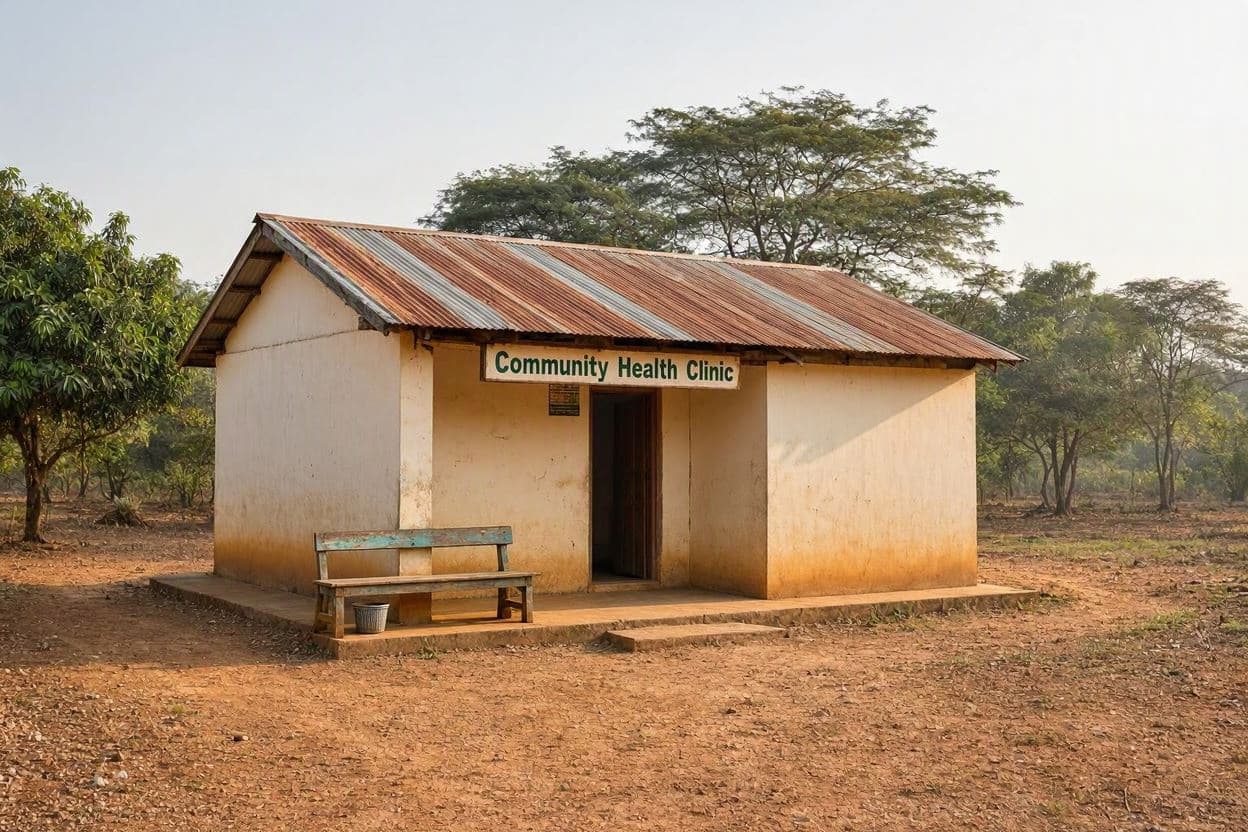
AI Image Disclaimer: The images in this article are AI-generated and are for illustrative purposes only. They do not depict actual persons or locations.
Sources: Premium Times Nigeria, APAnews, The EastAfrican, AIP Côte d'Ivoire, ALMA
Published by Banx Network. This article is part of the Banx decentralized media programme, powered by the BXE token on the XRP Ledger.