
Key Highlights
- Thirteen confirmed cases of legionellosis reported in Hamilton.
- Public health officials investigating cooling towers and water systems.
- Community response emphasizes vigilance and preventive measures.
The air in Hamilton carries a weight this week, a quiet complexity that drifts through the streets of the east end and Stoney Creek without a sound. It is a presence felt only in its consequences, a reminder that the most profound shifts in our collective well-being often arrive on the back of something invisible, carried by the very mist we breathe.
In the laboratories and halls of the Public Health department, the atmosphere is one of focused, silent urgency. Thirteen lives have been touched by a singular, microscopic traveler, a bacterium that finds its sanctuary in the warmth of our modern infrastructure, turning the systems designed for our comfort into vessels for an unwelcome guest.
Public health officials are now on high alert as they investigate the source of these infections. The City of Hamilton has confirmed thirteen cases of legionellosis since May 4, with a particular focus on cooling towers and other water systems in East Hamilton and Stoney Creek. This bacterial infection, often associated with contaminated water sources, poses a significant health risk, especially for vulnerable populations.
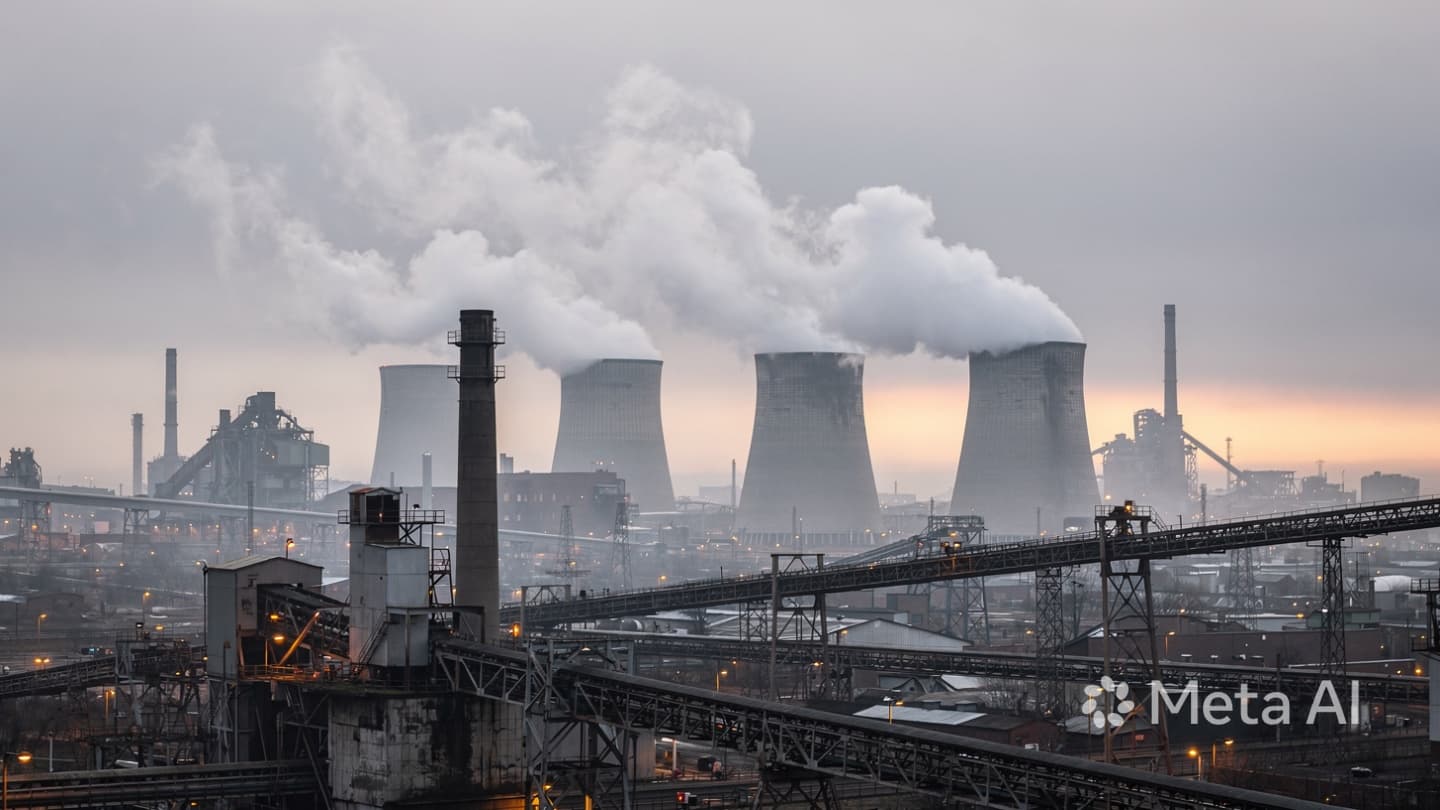
There is a strange, modern irony in how we live alongside these cooling towers and humidifiers, structures of steel and steam that hum in the background of our daily lives. They are the lungs of the city, breathing out vapor that vanishes into the gray Ontario sky, usually unnoticed until the balance shifts and the air begins to tell a different story.
As public health officials move with a practiced, methodical grace, they retrace the invisible paths of a cluster that began its quiet expansion just days ago. They speak of exposure and maintenance, of the necessity of keeping the waters clean and the systems clear, yet their words carry a deeper reflection on the fragility of the urban ecosystem we have built. The community is urged to remain vigilant, with health officials emphasizing the importance of regular maintenance and monitoring of water systems to prevent further outbreaks.
In the hospitals, the vigilance is palpable, a heightened state of awareness for the shortness of breath and the sudden fever that marks the arrival of the infection. It is a communal watching, a shared vigilance that links the clinician in the ward to the technician on the roof, all bound by the effort to contain what cannot be seen. The healthcare system is mobilizing resources to ensure that those affected receive prompt treatment while also preventing further spread of the bacteria.
The first reports emerged as the week began, a trickle of cases that soon formed a pattern, a 'cluster' in the parlance of the experts. Each data point represents a person, a household now navigating the sudden onset of illness, while the city around them continues its rhythmic, industrial pulse. The community's response has been one of resilience, with local health authorities working tirelessly to identify the source of the outbreak and implement necessary precautions.
There is no malice in the bacteria, only the biological imperative to exist within the niches we provide. Yet, the human response is one of intentional defiance—a refusal to let the unseen dictate the health of the neighborhood, expressed through rigorous testing and the persistent search for a common source among the mist. As the investigation continues, residents are reminded of the importance of public health measures and community cooperation in addressing such challenges.
As the sun sets over the Hamilton harbor, the plumes from the towers look no different than they did a week ago, yet our perception of them has been irrevocably altered. We are reminded that the safety of the many rests upon the meticulous care of the few, and that our relationship with the elements is one of constant, delicate negotiation. The City of Hamilton remains committed to ensuring the health and safety of its residents as it navigates this emerging crisis.
Published by Banx Network. This article is part of the Banx decentralized media programme, powered by the BXE token on the XRP Ledger.



