
Key Highlights
- Medicane:A rare Mediterranean storm reaches Southern England.
- Impact:Coastal towns face significant damage and disruption.
- Climate Change:The event raises concerns about shifting weather patterns.
The recent arrival of a medicane, a rare type of storm originating from the Mediterranean, has left a profound impact on the southern coast of England. This unusual weather phenomenon, characterized by its tropical characteristics, brought with it intense winds and heavy rainfall, transforming the landscape and challenging the resilience of coastal communities. The storm's approach was marked by an eerie calm, quickly replaced by a dramatic shift in atmospheric pressure that heralded its arrival.
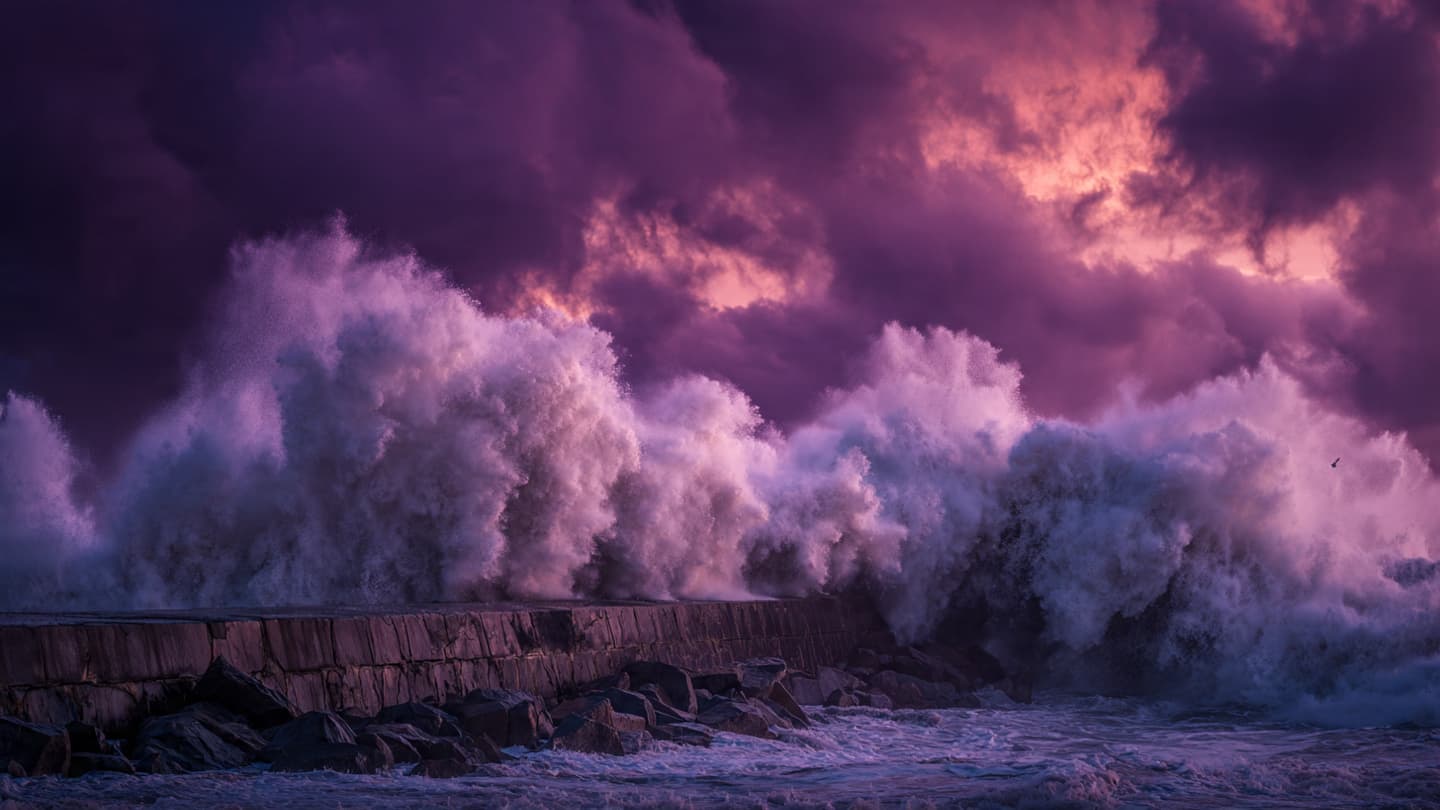
As the medicane made landfall, the skies darkened to a bruised violet, signaling the onset of heavy rains that were unlike the typical British drizzle. Instead, the storm unleashed a torrent of water, accompanied by powerful winds that whipped the sea into a frenzy. Coastal towns, accustomed to the Atlantic's storms, found themselves unprepared for the unique fury of this Mediterranean visitor. The waves surged higher than usual, crashing against promenades and beach huts, illustrating the storm's relentless power.
Witnesses described the sound of the medicane as a low-frequency thrumming, a reminder of the sheer force of nature at play. Boats in small harbors strained against their moorings, while the rhythmic clanking of rigging was drowned out by the storm's roar. The infrastructure designed to withstand typical storms was tested to its limits, revealing vulnerabilities in coastal defenses that had not been anticipated.
As dawn broke after the storm, the aftermath revealed a landscape dramatically altered. Beaches were stripped bare, replaced by debris and uprooted vegetation. The salt spray left a crust on surfaces far inland, a testament to the storm's reach. Residents emerged cautiously from their homes, surveying the damage with a mix of disbelief and respect for the power of the storm. The damage was sporadic, with some areas suffering extensive destruction while others remained relatively unscathed, highlighting the unpredictable nature of such weather events.
In the wake of the medicane, discussions among locals turned to the implications of this storm's occurrence so far north. Experts are increasingly concerned that the patterns of the past are no longer reliable indicators of future weather. The warming of the seas is believed to provide the energy necessary for these storms to travel beyond their traditional boundaries, raising alarms about the potential for more frequent and severe weather events in the future.
As the sun set on the day following the storm, the English Channel appeared deceptively calm, its surface sparkling in the fading light. The medicane had dissipated, leaving behind a landscape marked by both destruction and a newfound awareness of the changing climate. The task of rebuilding began, accompanied by a determination to adapt to the realities of a world where such rare storms may become more common. Communities are now faced with the challenge of fortifying their defenses against the unpredictable forces of nature, as they navigate the complexities of climate change and its impact on their lives.
Published by Banx Network. This article is part of the Banx decentralized media programme, powered by the BXE token on the XRP Ledger.



