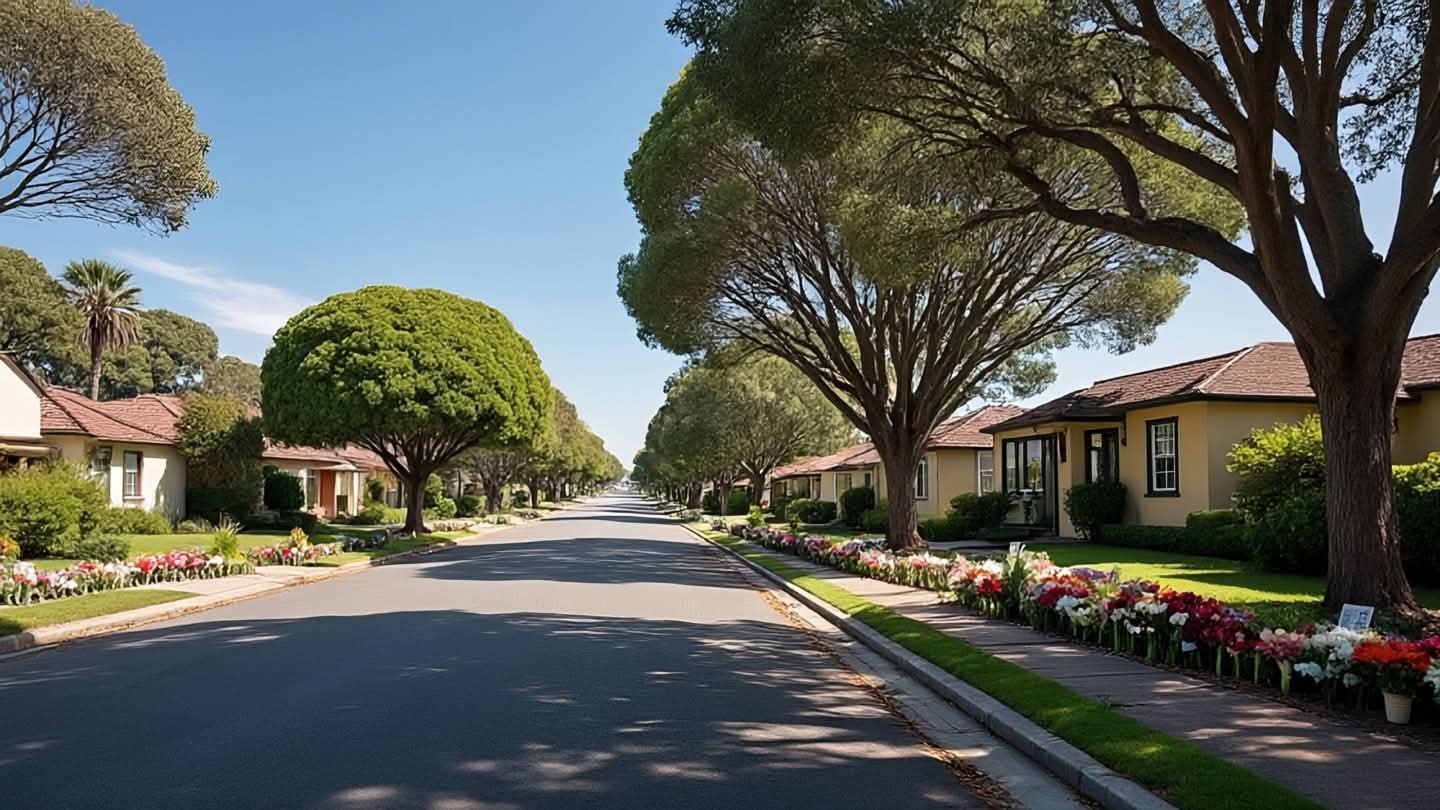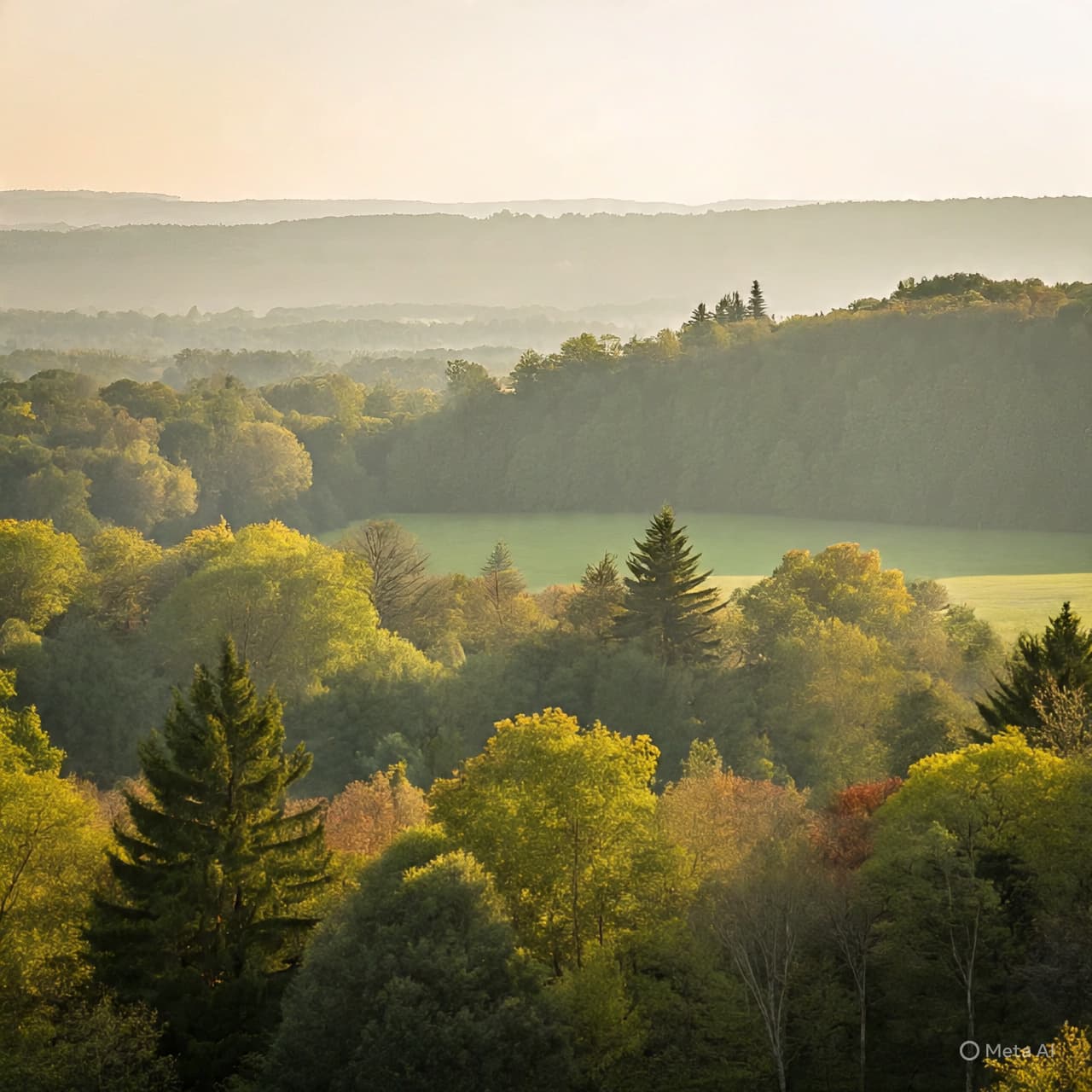
Morning arrives quietly in places where nature still holds its own rhythm. A river eases around its bend, trees lift their leaves toward light, soil settles after the passage of night animals. These movements are unrecorded and uncounted, yet they persist with an accuracy shaped over centuries. Beyond these scenes, another rhythm dominates — one of charts and targets, projections and gains, rising steadily and rarely pausing to look back.
Across much of the modern world, growth has become a language spoken without translation. It is assumed to be necessary, beneficial, and continuous, a force meant to carry societies forward. Yet as landscapes thin and species retreat, the costs of this momentum have become harder to frame as distant or abstract. What once appeared as progress now leaves visible traces: depleted soils, altered climates, waters strained beyond renewal.
This tension surfaced collectively as representatives from around the world gathered to assess the state of the planet’s living systems. Their message did not arrive as a sudden alarm, but as a carefully assembled acknowledgment of limits. Nature, they noted, does not expand indefinitely. It responds instead with thresholds — points beyond which recovery becomes uncertain.
The warning focused not on a single industry or region, but on an organizing principle itself. Economic models that prioritize constant expansion, the statement suggested, have steadily eroded ecosystems by treating land, water, and biodiversity as inputs rather than foundations. Forests have been cleared faster than they can regrow. Oceans have been harvested beyond their capacity to replenish. Species have disappeared quietly, often without record.
What makes this moment distinct is its breadth. More than 150 countries aligned behind the recognition that protecting nature requires more than conservation at the margins. It demands a reconsideration of how value is defined and pursued. Growth, they argued, has been allowed to eclipse balance, and efficiency to outrun resilience.
The language was measured, but the implication was not small. Policies designed solely to increase output have, over time, narrowed the space in which ecosystems can function. Climate change, biodiversity loss, and pollution now intersect, amplifying one another rather than unfolding separately. The natural world absorbs these pressures unevenly, but never without consequence.
There was no call to halt development outright, nor an insistence on immediate rupture. Instead, the emphasis rested on recalibration — an appeal to slow certain trajectories and recognize that stability, once lost, is difficult to restore. Growth framed without context, the declaration implied, risks becoming motion without direction.
As discussions concluded, the words settled into official record, joining a growing archive of warnings shaped by data and experience alike. Whether they translate into lasting change remains uncertain, dependent on political will and public imagination.
More than 150 countries have warned that an economic obsession with perpetual growth is driving environmental destruction, urging governments to rethink development models to better protect nature and biodiversity amid accelerating ecological decline.
AI Image Disclaimer
Visuals are AI-generated and serve as conceptual representations.
Sources (Media Names Only)
Reuters Associated Press BBC News The Guardian United Nations Environment Programme
Published by Banx Network. This article is part of the Banx decentralized media programme, powered by the BXE token on the XRP Ledger.