There are moments in global markets when certainty dissolves almost instantly, like mist lifting from a river at dawn—quiet, yet disorienting. Prices flicker, signals blur, and what once felt predictable becomes strangely distant. In the early days of tensions surrounding Iran, the world of commodity trading entered such a moment, where instinct and calculation were tested against the speed of unfolding events.
For traders, the initial phase of geopolitical conflict often carries a paradox. Anticipation drives positioning—bets placed on rising oil prices, disrupted supply chains, and tightening markets. Yet when reality arrives, it rarely follows the clean lines imagined beforehand. In the case of the Iran-linked escalation, early movements in oil and related commodities did not uniformly reward those expectations. Instead, volatility widened, and in that widening space, losses quietly accumulated.
Reports suggest that some of the world’s largest commodity traders—firms accustomed to navigating uncertainty—faced significant setbacks, with losses reaching into the billions. These were not the result of a single miscalculation, but rather a convergence of factors: rapid price reversals, unexpected supply signals, and the sheer pace at which information reshaped market sentiment. Positions built on one narrative found themselves exposed to another, almost overnight.
Oil, often the central thread in such geopolitical moments, became a stage for this tension. Prices initially surged on fears of disruption, reflecting long-standing sensitivities tied to the region. Yet as markets absorbed a more complex reality—where supply routes remained partially intact and responses unfolded more cautiously than feared—those early gains began to soften. For traders heavily positioned for a sustained spike, the adjustment was swift and unforgiving.
Beyond oil, the ripple effects extended into metals and other commodities, where hedging strategies and correlated bets added layers of exposure. In such interconnected systems, a shift in one corner rarely stays contained. Losses, therefore, were not always direct, but often the result of intricate webs of expectation—strategies designed for one outcome encountering another.
Still, it would be too simple to view these developments solely through the lens of misjudgment. Commodity trading, by its nature, operates within uncertainty, where risk is not an exception but a constant companion. The early days of the Iran situation did not introduce volatility; they amplified it, compressing what might have unfolded over weeks into a matter of days.
There is also a quieter dimension to this story, one that speaks to the evolving nature of global markets. Information now travels with unprecedented speed, and reactions follow just as quickly. In such an environment, even seasoned players can find themselves momentarily outpaced—not by a lack of insight, but by the sheer velocity of change.
And yet, markets have a way of recalibrating. Losses, while significant, are often part of a broader cycle in which positions are reassessed, risks are rebalanced, and new strategies emerge. For many firms, the early turbulence may serve less as a defining setback and more as a reminder of the delicate balance between foresight and humility.
As the situation surrounding Iran continues to develop, the initial shock to commodity traders offers a glimpse into how deeply interconnected geopolitics and markets have become. The early losses, measured in billions, reflect not only financial exposure but the complexity of interpreting a world where events rarely move in straight lines.
In the end, the story remains unfinished. The markets will continue to respond, adapt, and, in time, stabilize in their own way. For now, what lingers is not simply the scale of the losses, but the quiet recognition that in moments of uncertainty, even the most experienced hands must navigate without a clear map.
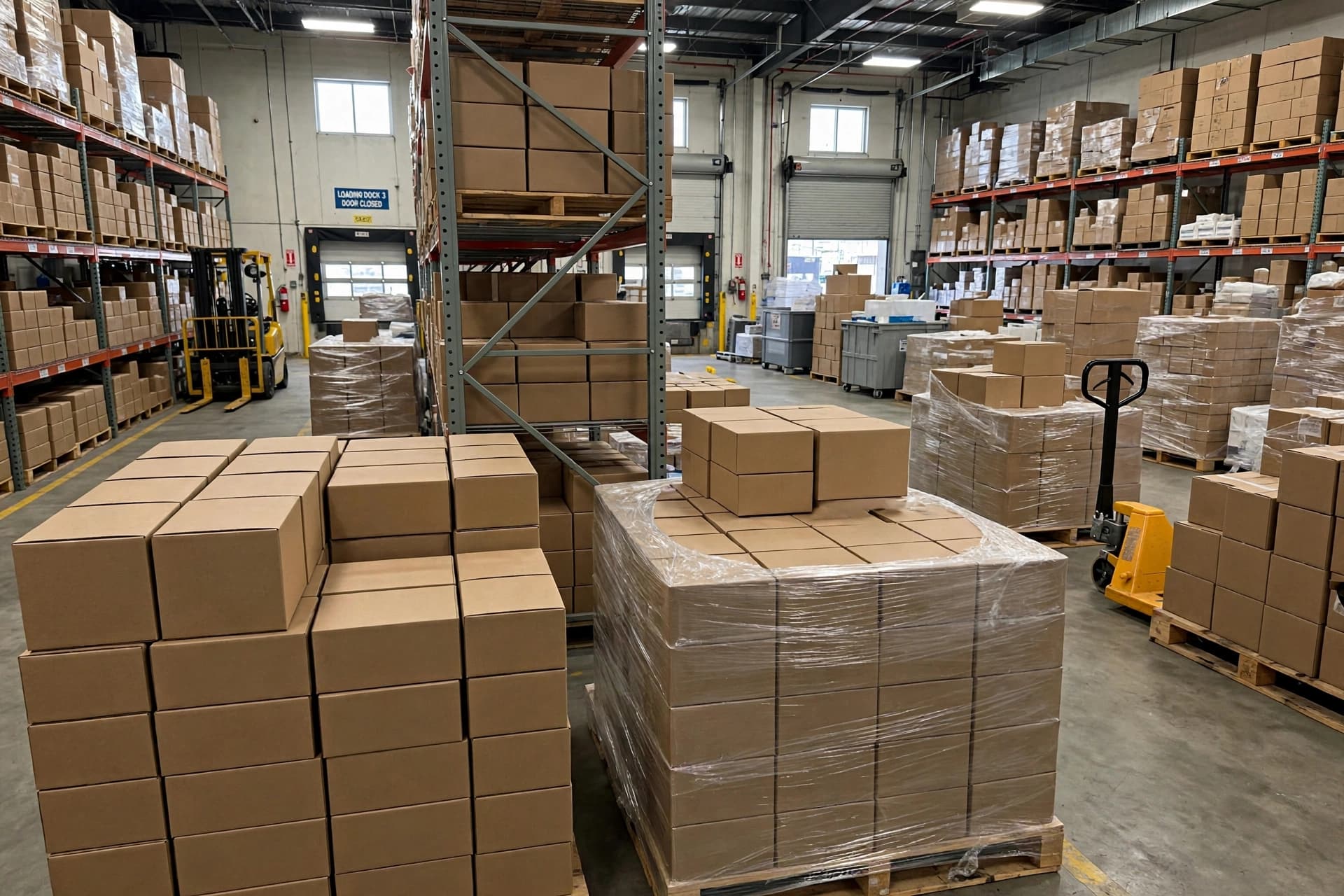
AI Image Disclaimer Visuals are created with AI tools and are not real photographs.
Source Check Credible coverage of commodity trading losses tied to early developments in an Iran-related conflict is reported by:
Bloomberg Reuters Financial Times CNBC The Wall Street Journal
Published by Banx Network. This article is part of the Banx decentralized media programme, powered by the BXE token on the XRP Ledger.