
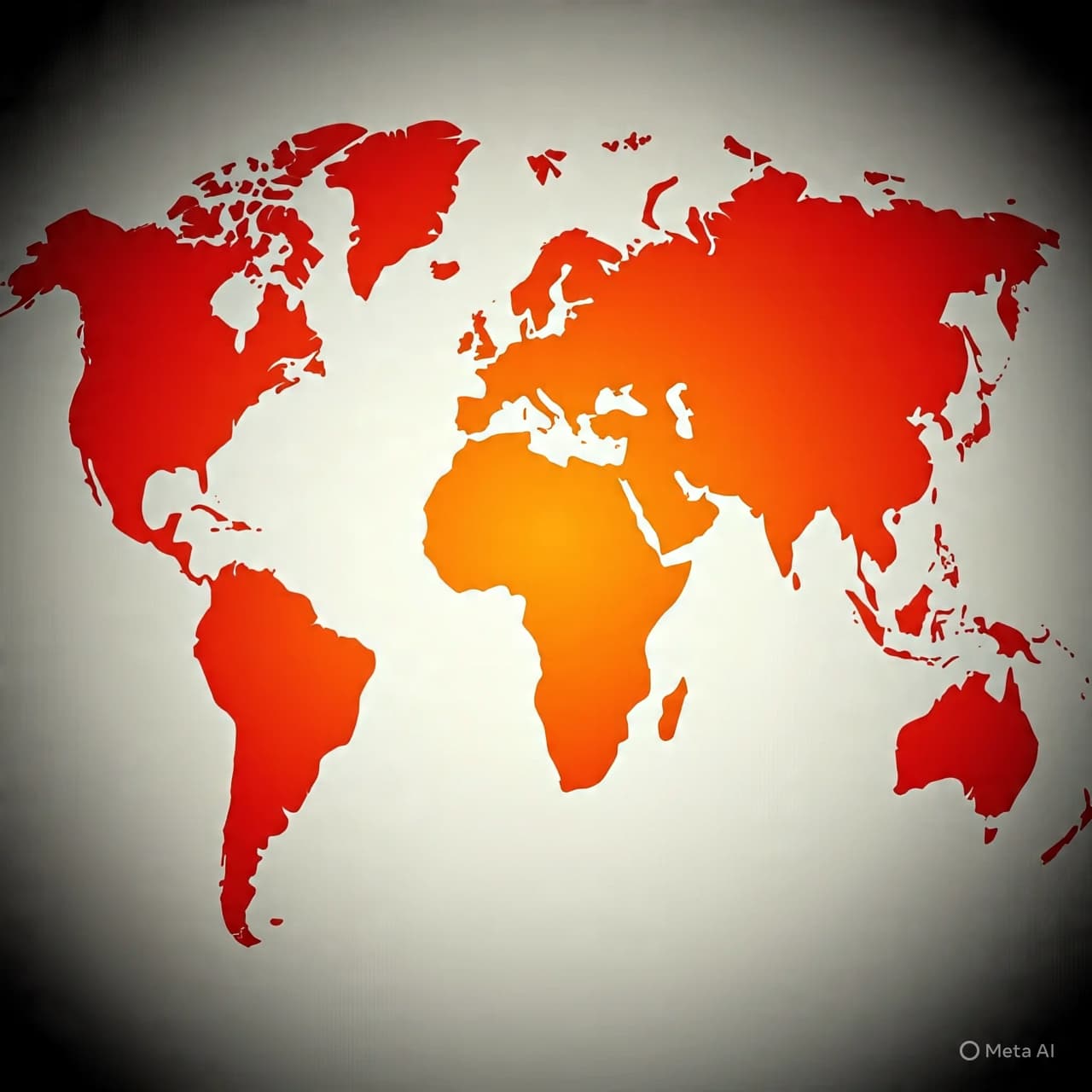
There are moments in life when the map we carry in our minds feels less like a guide and more like a warning. The places marked with borders and names suddenly become shaded areas of caution—where the distance between certainty and uncertainty seems to shrink. In recent days, as geopolitical tensions have sharply increased across the Middle East, national governments have responded not just with statements but with urgent communications meant to protect their citizens abroad and those considering travel.
Travel advisories, in essence, are expressions of care rooted in risk. They are not merely bureaucratic phrases; they are precautions woven from the shifting patterns of conflict and safety. In the context of escalating military operations involving Iran and its neighbors, several governments have moved their advisories into stark language: do not travel. These warnings reflect not only the complexity of modern diplomacy but also the reality that civilian safety is delicately balanced when conflict spreads beyond traditional theaters.
In Canberra, Australian officials updated their Department of Foreign Affairs and Trade travel advice to designate numerous Middle Eastern countries at the highest risk level — urging citizens not to travel to places including Israel, Lebanon, Qatar, the United Arab Emirates, Kuwait, and others amid the volatile security environment. Australians already in these regions were advised to consider departure where it is safe to do so.
The scope of travel warnings is not unique to Australia. Reports from European and other national governments show a broader pattern: diplomats, foreign ministries, and embassies have increasingly urged their citizens to avoid nonessential travel to a wide swath of the Middle East, reflecting concerns about airspace closures, missile and drone risks, sudden flare-ups of violence, and disruptions to normal civil life.
Airlines themselves have responded to these developments with adjustments to schedules, rerouted flights, and temporary suspensions of services through key travel hubs in the Gulf region. The uncertainty around open airspace and safety protocols has further complicated travel planning for individuals and families.
Governments stress that these advisories are made with evolving information and are designed first and foremost to keep citizens safe. While not all countries are under blanket “do not travel” orders, many have elevated their advisory levels to reflect the increased likelihood of disruption or danger, including conflict spillover into areas that have historically been considered relatively secure.
For travelers and expatriates, the practical implication is straightforward: plans involving the Middle East may need to be paused, reconsidered, or altered, and individuals currently in affected regions are encouraged to stay attuned to official updates from their respective foreign ministries and embassies.
Officials continue to monitor the situation closely, emphasizing that these advisories can change as conditions evolve on the ground. The priority for governments issuing such warnings remains clear — to minimize risk and to ensure that citizens abroad have access to timely, accurate information in a rapidly changing security environment.
AI Image Disclaimer Illustrations were produced with AI and serve as conceptual depictions.
Sources: Reuters Associated Press BBC News ABC News The Guardian
نُشر بواسطة Banx Network. هذا المقال جزء من برنامج الوسائط اللامركزية من Banx، مدعومًا برمز BXE على شبكة XRP Ledger.

.jpg&w=3840&q=75 "Blake Lively Awarded $400,000 in Legal Fees After Justin Baldoni Lawsuit Dismissed")