
Key Highlights
- Governments issue heightened travel advisories due to rising tensions in the Middle East.
- Australia and European nations warn citizens against nonessential travel.
- Airlines adjust schedules and routes in response to safety concerns.
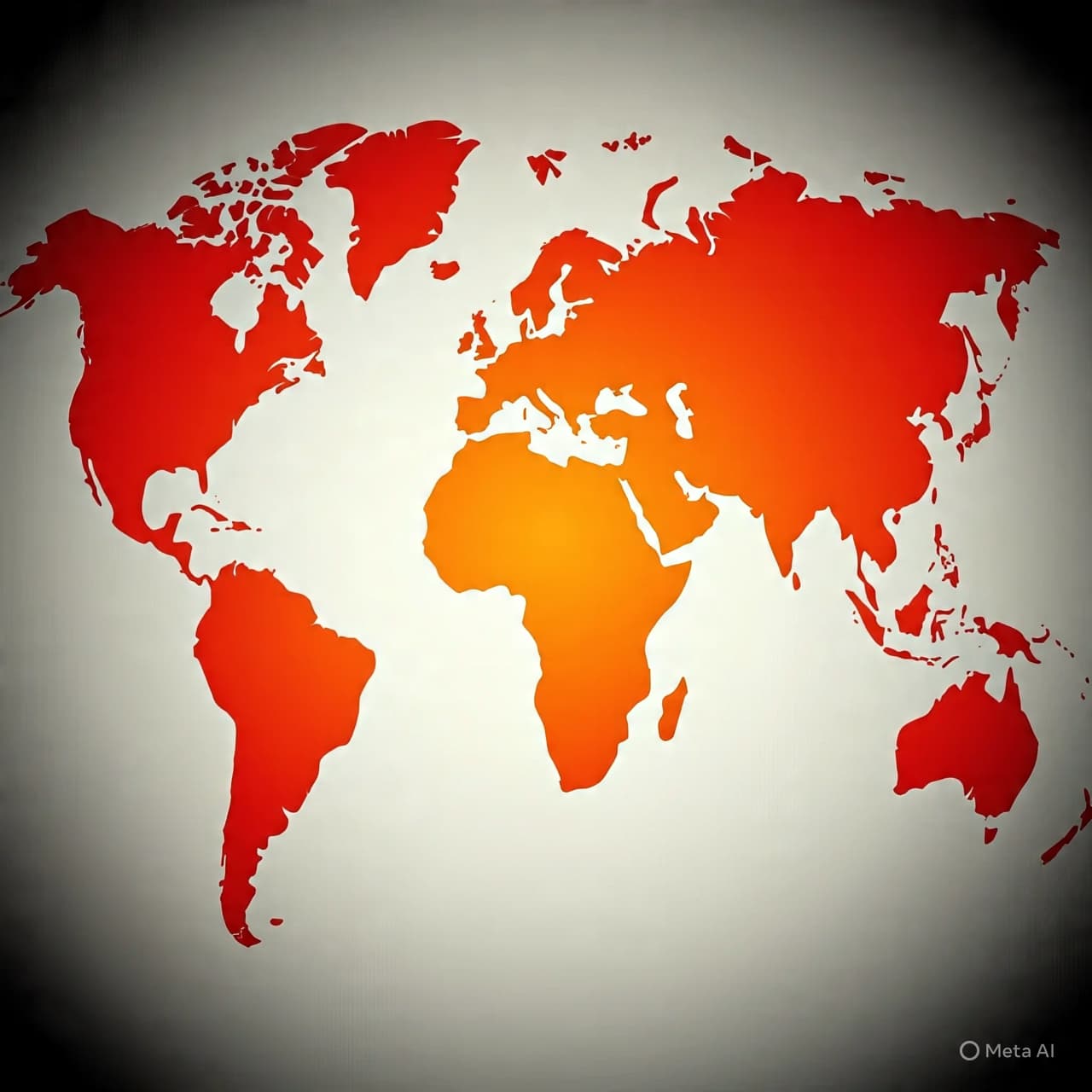
In recent weeks, the geopolitical landscape of the Middle East has shifted dramatically, prompting national governments to issue urgent travel advisories aimed at protecting their citizens. As tensions escalate, the maps that once guided travelers now serve as cautionary tales, highlighting areas where safety is uncertain and risks are elevated. The advisories reflect a growing concern over military operations involving Iran and its neighbors, leading to stark warnings from various governments.
Australia's Department of Foreign Affairs and Trade has taken significant steps by updating its travel advice to designate several Middle Eastern countries as high-risk zones. Citizens are now advised against traveling to nations such as Israel, Lebanon, Qatar, the United Arab Emirates, and Kuwait. Those already in these regions are encouraged to consider safe departure options, underscoring the urgency of the situation.
This trend is not isolated to Australia; numerous European and other national governments have similarly raised their travel advisories. Reports indicate that diplomats and foreign ministries are increasingly advising against nonessential travel to a broad range of Middle Eastern countries. The reasons for these advisories include concerns over airspace closures, missile and drone threats, and the potential for sudden outbreaks of violence that could disrupt civilian life.
Airlines have also reacted to the evolving situation, making adjustments to their flight schedules and routes. Some airlines have temporarily suspended services through key travel hubs in the Gulf region, complicating travel plans for individuals and families. The uncertainty surrounding air travel safety and the potential for disruptions has left many travelers reconsidering their plans.
Governments emphasize that these travel advisories are based on the latest information and are designed to prioritize citizen safety. While not all countries have issued blanket 'do not travel' orders, many have elevated their advisory levels to reflect the increased likelihood of danger or disruption. This includes concerns about conflict spillover into areas that were previously considered secure.
For travelers and expatriates, the implications are clear: plans involving travel to the Middle East may need to be paused or altered. Individuals currently in affected regions are advised to stay informed through official updates from their respective foreign ministries and embassies. As the situation continues to evolve, officials are closely monitoring developments, reiterating that advisories can change as conditions on the ground shift.
The overarching goal of these advisories remains consistent: to minimize risk and ensure that citizens abroad have access to timely and accurate information in a rapidly changing security environment. As the map of the Middle East becomes increasingly complex, the importance of staying informed cannot be overstated.
Published by Banx Network. This article is part of the Banx decentralized media programme, powered by the BXE token on the XRP Ledger.



