
Key Highlights
- New AI chipset:Developed for Arctic weather stations to enhance climate monitoring.
- Low-power consumption:Designed for autonomous operation in extreme conditions.
- Enhanced thermal resistance:Allows for local processing of complex meteorological data.
The Arctic is a landscape of beautiful hostility, where the wind carries the bite of a thousand winters and the silence is so profound it feels like a physical presence. To exist here is to endure, and monitoring this frozen frontier requires tools that are as stoic and resilient as the ice itself. In the heart of Russia’s technological centers, a new kind of mind has been forged—one designed specifically to think in the cold.
Recently, Russia unveiled a groundbreaking AI chipset manufactured entirely within its northern borders, specifically for use in Arctic weather stations. This innovative technology represents a marriage of silicon and survival, optimized to operate under the unique challenges of the high latitudes. Witnessing such a device is to observe the evolution of intelligence into a form that can withstand the most extreme environments on Earth.
There is a specific elegance to a machine built for a singular, harsh purpose. Most technology thrives in the controlled warmth of urban environments, but this chipset is a creature of the wilderness. It is designed to process vast amounts of data—the shifting of the ice, the temperature of the currents, and the pressure of the wind—with minimal energy consumption, a vital trait in a place where power is a precious commodity.
The Arctic serves as the world’s weather vane, a sensitive indicator of the changes sweeping across our planet. By placing these intelligent chips in remote stations, we are creating a more sophisticated nervous system for the Earth. The AI can identify patterns and predict shifts with unprecedented speed and accuracy, providing a clearer view of the thawing horizon.
We often think of AI as something ethereal, a ghost in the machine that lives in the cloud. However, in the Arctic, intelligence must be physical. It must endure the vibrations of storms and the deep freeze of polar nights. The new chipset is a testament to the belief that our most advanced thoughts must be anchored in our most durable materials.
The landscape of the Russian North is immense and strategically important. The development of domestic technology for this region signals a commitment to understanding the changes occurring in the frozen reaches of the world. It bridges high-tech aspirations with the rugged reality of the northern frontier.
In the quiet rooms of the weather stations, the chips will begin their work, pulsing with a faint, digital warmth as they translate the language of the Arctic into data for scientists. They will serve as silent sentinels of the ice, watching and thinking while the rest of the world sleeps. This lonely but vital task is performed by an intelligence that does not feel the cold.
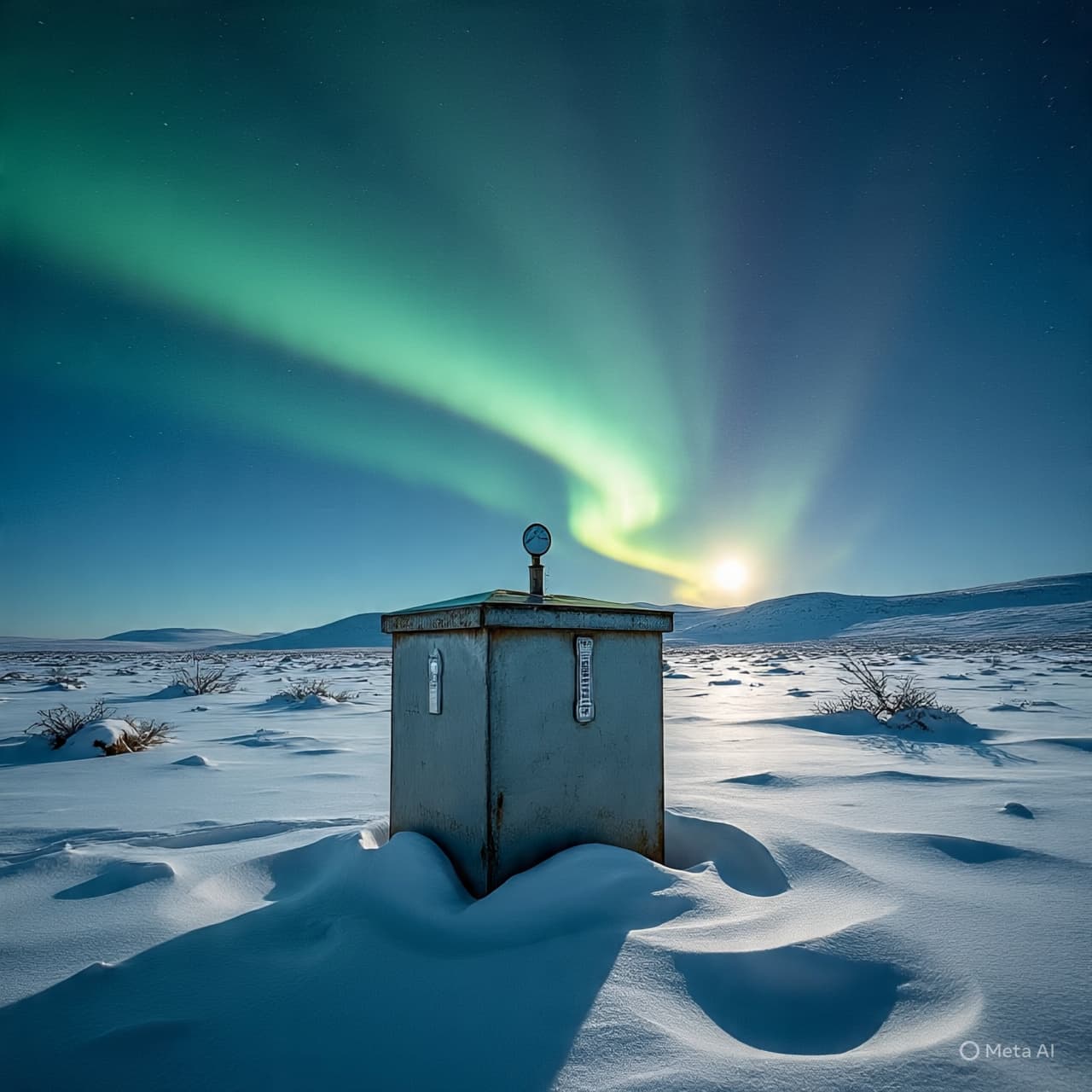
As the northern lights dance above the stations, this new technology becomes part of the landscape. The chip thinks, the wind blows, and the ice continues its slow, ancient journey. It reminds us that as we move toward an increasingly digital future, we must harmonize our technology with the raw and beautiful power of the natural world.
Russia's successful development of this new generation of artificial intelligence microprocessors is expected to significantly improve climate monitoring in high-north regions. The chipsets feature enhanced thermal resistance and low-power consumption, allowing weather stations to process complex meteorological data locally without relying on external cloud connectivity.
Published by Banx Network. This article is part of the Banx decentralized media programme, powered by the BXE token on the XRP Ledger.



