
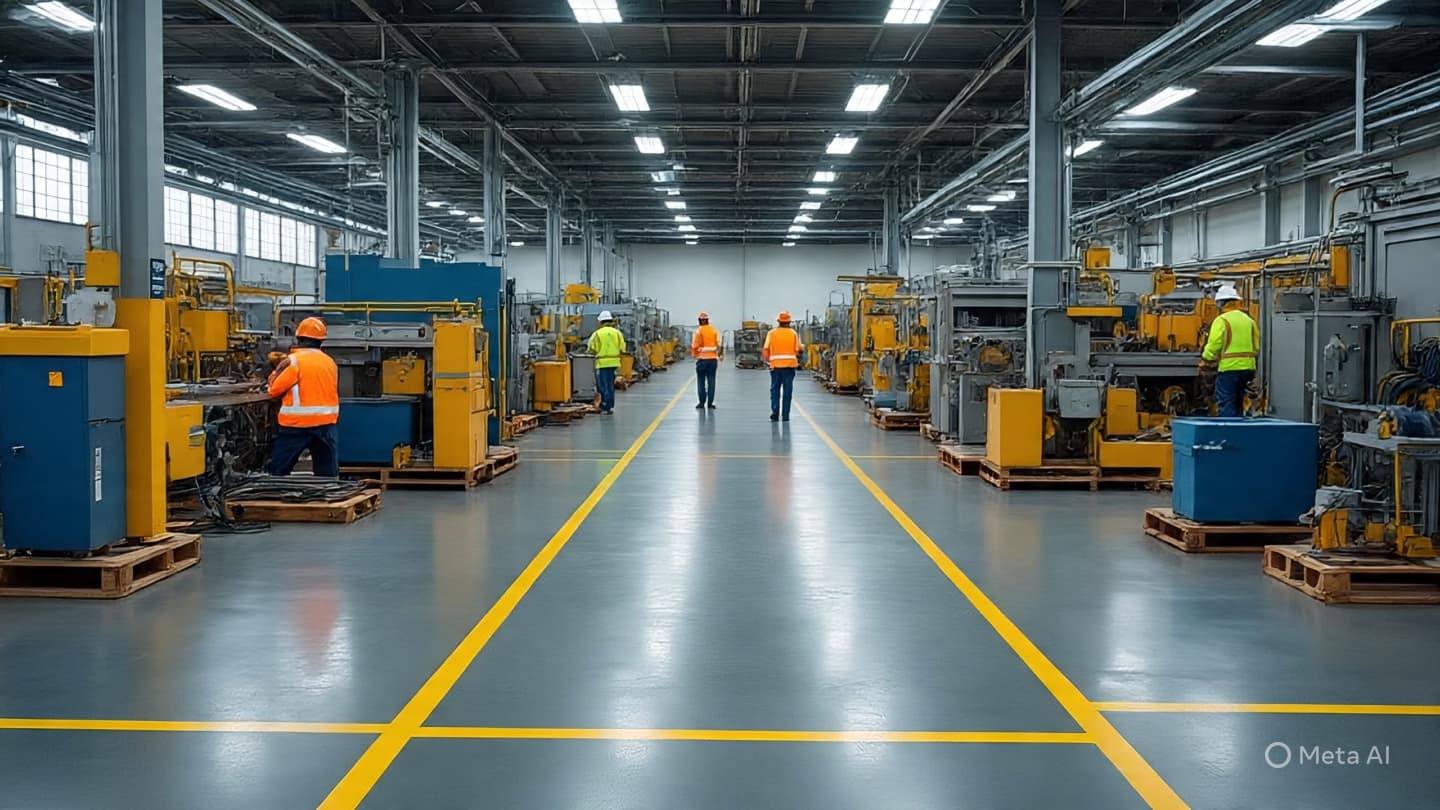
The industrial heart of China beats with a relentless, rhythmic power, a symphony of gears, cranes, and assembly lines that has reshaped the global landscape. For decades, this rapid growth carried a heavy, unspoken cost, measured in the quiet incidents and the sudden disruptions of the workshop floor. There was an atmosphere of urgency that sometimes outpaced the steady requirements of safety. Today, however, that pulse feels more deliberate, a sign that the nation is seeking a more balanced cadence for its labor.
To observe a modern factory is to see a landscape of increasing precision. There is a reflective quality to the way safety is woven into the daily routine—no longer an afterthought, but the very foundation of the workday. The decline in workplace accidents is a narrative of cultural shift, a move from the pursuit of speed at all costs to a focus on the enduring health of the person at the machine. It is a transition that honors the dignity of the hand that builds.
The statistics of safety are, in reality, a collection of stories that never happened—falls that were prevented, fires that were never lit, and lives that continued uninterrupted. These non-events are the true measure of a society's maturity. As China reports a significant drop in industrial casualties, it reflects a deepening commitment to the invisible infrastructure of regulation and the quiet discipline of the workforce. It is a slow, steady improvement that changes the temperature of the entire economic engine.
There is a certain dignity in the silence of a safe workplace. It is the silence of a machine that is well-maintained and a worker who is well-trained. This atmosphere of care extends from the high-tech hubs of Shenzhen to the heavy industries of the north. It is a recognition that the true wealth of a nation is not found in the volume of its exports, but in the security of its people as they move through their professional lives.
One might contemplate the evolution of the safety helmet or the protective glove—simple tools that represent a profound philosophy of protection. In the modern Chinese industrial narrative, these items are symbols of a new social contract. The government’s emphasis on "zero-harm" environments is a pragmatic response to the needs of a maturing economy, where the value of a skilled worker is recognized as an irreplaceable asset.
The narrative of industrial safety is also a narrative of technology. AI-driven sensors and automated monitors now act as silent sentinels, watching over the floor with an unblinking gaze. This digital layer of protection adds a level of certainty that was previously impossible, allowing for a harmony between human labor and mechanical force. It is a world where the risk is calculated, managed, and ultimately minimized by the steady hand of innovation.
As the first quarter of 2026 concludes, the data suggests that the peak of industrial hazard may be behind us. The path forward is one of continuous, incremental refinement. The goal is a workday that begins and ends with the same quiet reliability, a life where the pursuit of progress does not require the sacrifice of safety. The heart of the machine continues to beat, but now it does so with a more human and protective rhythm.
China’s Ministry of Emergency Management has reported a 15% year-on-year decline in workplace accidents and fatalities during the first quarter of 2026. The report highlights significant improvements in the mining and construction sectors, attributed to stricter enforcement of safety regulations and the widespread adoption of automated monitoring systems. Xinhua notes that the government plans to further expand these safety initiatives into smaller, rural manufacturing hubs throughout the remainder of the year.
Published by Banx Network. This article is part of the Banx decentralized media programme, powered by the BXE token on the XRP Ledger.



.jpg&w=3840&q=75 "India Says First Phase of U.S. Trade Deal Is Nearly Done, Seeks Edge Over Rivals")